










The luxury sector isn’t lagging behind technologically; it’s undergoing a crisis of coherence. Against a backdrop of rising prices and heightened expectations, value is being questioned more than ever. Yet over the past decade, flashy innovations—from the metaverse to generative AI and immersive experiences—have done more to undermine that perception than to reinforce it. The issue is not so much innovation itself as the way it fits—or fails to fit—within the brand’s identity.
When Innovation Dilutes Value
Who still remembers Vertu?
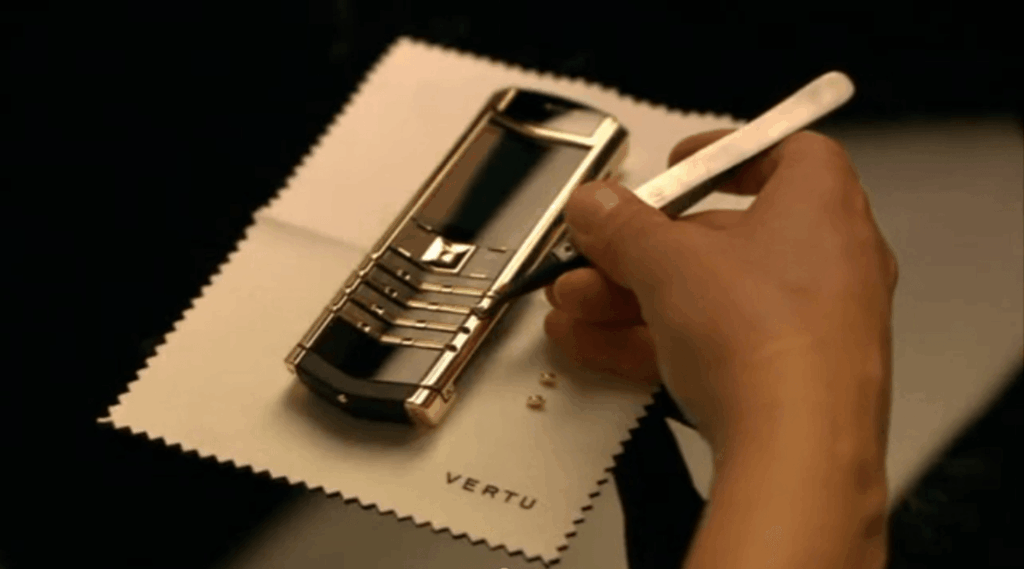
Launched in the early 2000s, the brand applied the codes of luxury—handcrafted production, precious materials, prices in the tens of thousands of euros—to a technological object. Who buys a phone at that price knowing it will be obsolete in a few years?
Vertu stumbled over what technology imposes on luxury: a pace of renewal incompatible with longevity. When usability declines, perceived value cannot hold up.
The metaverse was the next illustration. A race for innovation that bordered on collective hallucination. Luxury houses saw it as a new frontier of desire and, within a few months, invested heavily: virtual flagship stores, digital fashion shows, immersive experiences. The craze was short-lived. The withdrawal was just as swift. According to GEEIQ, investments have plummeted by over 70% since 2022. This decline reveals a structural disconnect: innovation designed to be seen, but not to be experienced.
Generative AI extends the same logic. At Valentino, the DeVain campaign features an AI-generated face—the first fashion house to embrace an entirely AI-driven campaign, without a strong artistic vision or narrative necessity. The image is polished, but it doesn’t hold up. Not because the technology fails, but because it doesn’t build on anything. No gesture, no intention, no vision. The move stems less from a bold choice than from convenience.
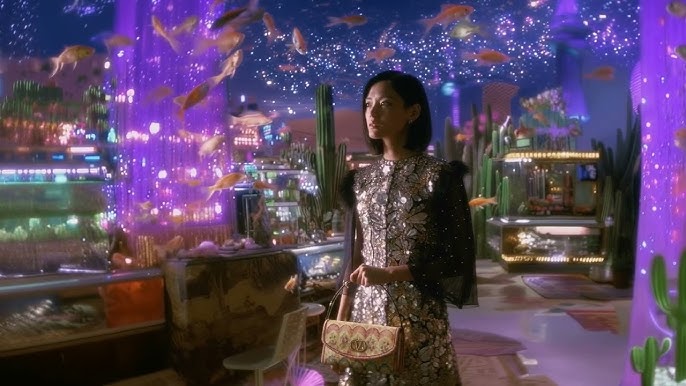
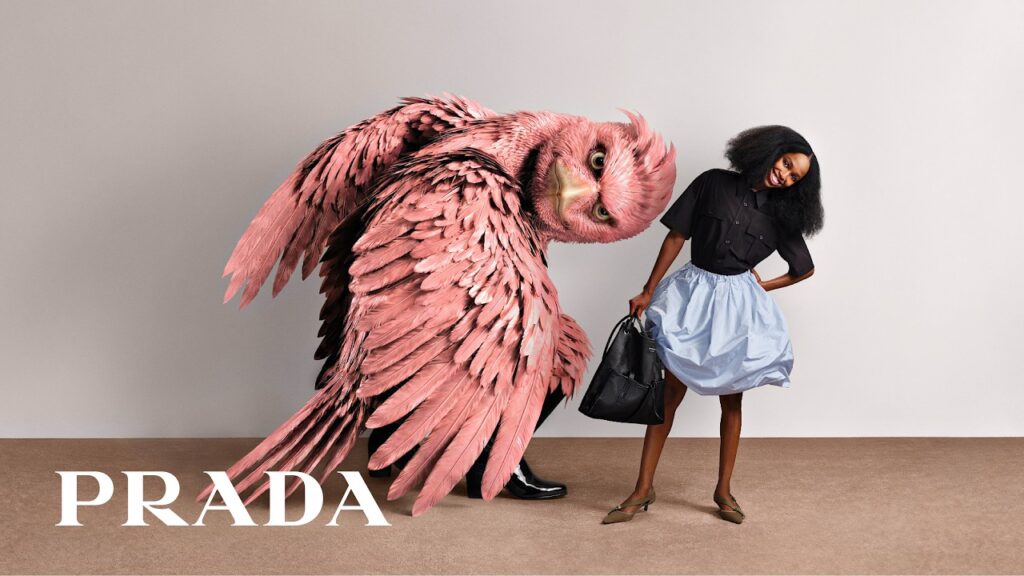
At Prada, with Jordan Wolfson, the approach is more structured. A visual tension, a strangeness that intrigues. But the interpretation remains uncertain: artistic experimentation or technological demonstration, the House doesn’t make a clear choice. And in luxury, failing to decide amounts to weakening the interpretation. Photographer Jack Davison sums up the unease: “more AI that nobody needs.”
These examples do not reflect a rejection of innovation. They reveal an expectation of coherence. Visible innovation without a purpose undermines perception. Reproducible innovation makes no difference. Familiar innovation immediately ceases to signal something rare.
This is where the confusion with fashion becomes problematic. Fashion absorbs, tests, accelerates. Luxury operates in the opposite way. It does not follow the times; it traverses them. The Houses that have weathered the recent period best are not those that have sought most to demonstrate their technological advancement.
Bottega Veneta, Loewe have continued to incorporate innovations, but without showcasing them as proof. The focus is no longer on modernity. It is on consistency.
Renewing from within
The shift underway stems from a simple tension: how to integrate the new without undermining what endures.
For a decade, luxury has played by the rules of the attention economy: producing images, capturing the gaze, demonstrating its modernity. This model is reaching its limits. Not because it no longer works, but because it no longer differentiates. What is emerging is part of an economy of presence. Value no longer lies solely in being seen, but in the quality of the experience. The customer no longer seeks to be impressed; they seek to be connected. The more artificial the environment becomes, the more the perception of reality becomes a criterion for choice.
In this context, innovation consists less in adding than in transforming what already exists. The word itself indicates this. Innovare, in Latin, does not mean to create something new. It means “to renew from within.” To shift without breaking.
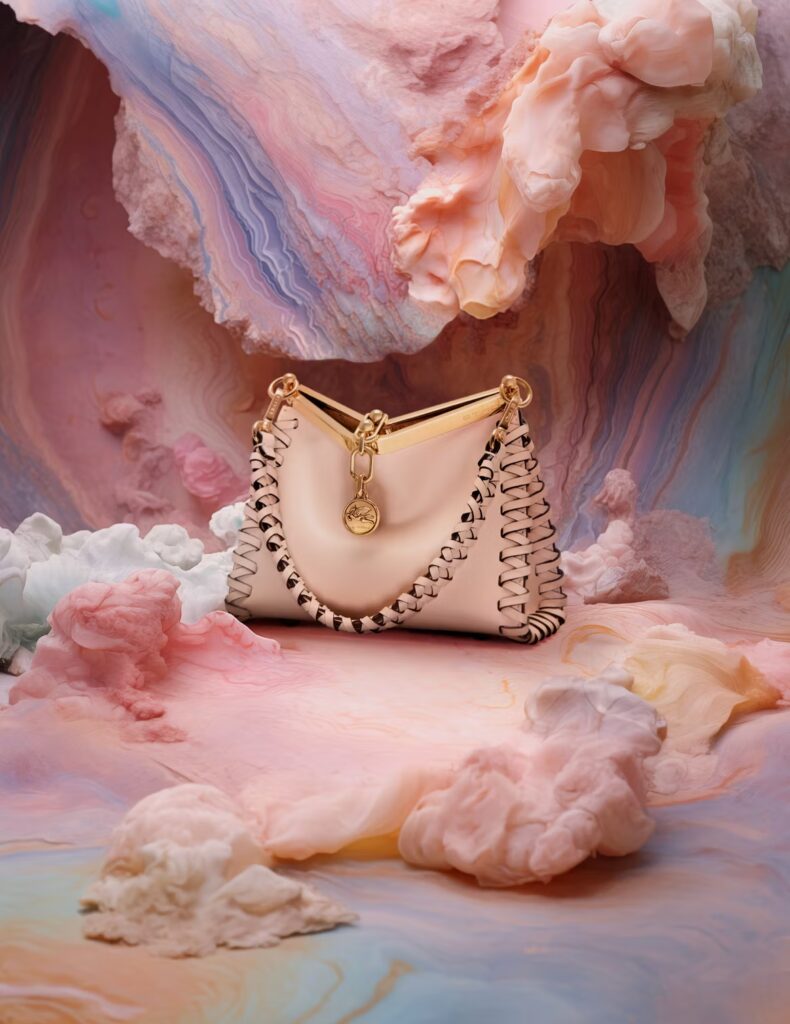
This involves rethinking practices—not to simplify them, but to make them more appropriate. It also involves territories: luxury is no longer limited to the product or the boutique; it extends into gastronomy, hospitality, and culture, provided that these extensions reinforce the House’s coherence rather than diluting it. Through customer journeys, which should be enriched rather than multiplied, giving depth to every interaction. And above all, through time: reintroducing the long-term perspective where efficiency has gradually eroded it.
At Hermès, artificial intelligence is not put on display. It is overseen by a dedicated governance committee, with precise operational metrics. AI is neither a product nor a campaign, nor an external signal. It is treated as an internal discipline. This is exactly what renewing from within means.
Amplify without showing off
Innovation in luxury is now organized around three dimensions, whose relative weight is shifting.
The first is about making an impression. It captures attention, fuels communication, and projects an image of modernity. It remains useful, but is no longer enough to create lasting value, precisely because it is reproducible. Here, an innovation is only valuable for its moment. When a House is the first to explore a territory, it creates a breakthrough. When it arrives later, it often merely follows a trend. In the first case, innovation generates value. In the second, it tends to dilute it.
The second approach involves enhancement. This is where AI finds its place in luxury: not as a substitute tool, but as a lever for intensification. It does not produce in place of human effort. It prepares, connects, and refines. At Zegna, in partnership with Microsoft, AI operates upstream. It enables consultants to structure their customer knowledge, anticipate visits, and adjust their recommendations. The gesture remains human. The relationship remains central. But it gains in precision.
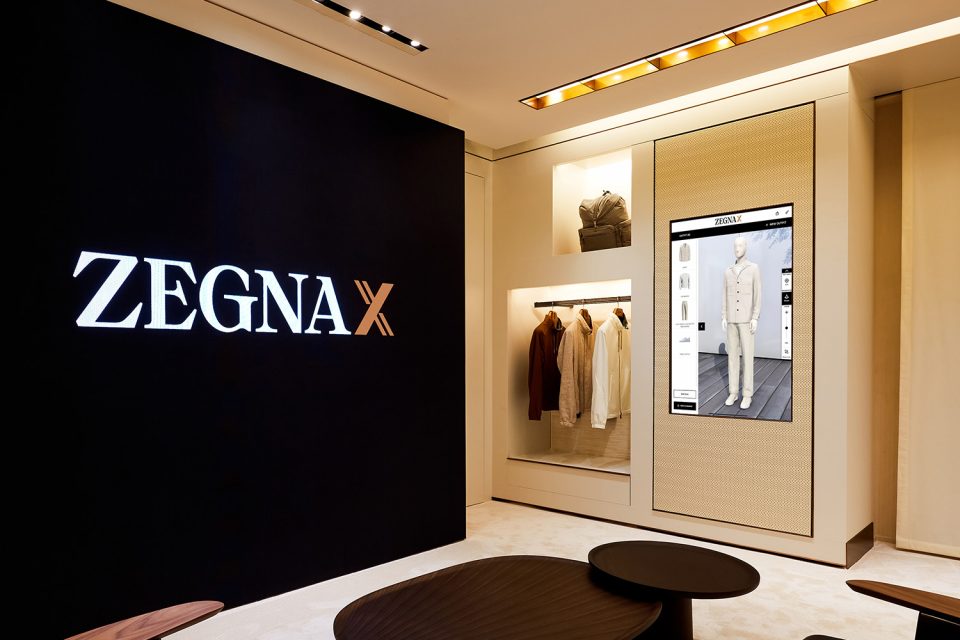
This is where the fine line lies. A visible, replacement-oriented AI suggests that creation can be produced without effort, without time, without gesture—something the luxury sector cannot afford to imply. Conversely, an integrated, discreet AI that supports the employee operates where the customer cannot see it, yet feels its effects. The question, therefore, is not whether to use AI, but where it enhances without altering.
The third reveals. It does not consist of introducing a visible novelty, but of transforming perception. An innovation that is not measured in features, but in a shift in perspective. Soneva, a hotel group positioned around discreet, experiential luxury, offers the clearest illustration of this. The experience relies neither on a spectacular effect nor on differentiating technology. It acts on the relationship with time, silence, and attention. It slows things down, disconnects, and reorganizes the guest’s priorities during and after their stay. Bare luxury fits into this logic: not accumulating signs of luxury, but stripping them away to reinforce what matters.
The proof that such innovation has worked is not that it is noticed. It is thatthe guest leaves changed without quite knowing why. This type of transformation can neither be standardized nor compared. And this is precisely what will become decisive. The rise of AI, and more specifically of agentic systems, will make this shift more apparent. In the future, part of the customer journey will no longer begin on Google, Instagram, or in-store, but in interfaces capable of comparing, filtering, and ranking offers on the customer’s behalf: price, availability, delivery times, materials, and similar alternatives. This shift is already underway: nearly 58% of searches today are influenced by recommendation algorithms or AI-driven environments.
As Business of Fashion and McKinsey anticipate in the State of Fashion 2026, AI no longer merely influences choice: it structures it. In this context, anything that can be compared tends to become interchangeable. A bag can be evaluated by its features, a service by its performance, an experience by its ratings. But what underpins a brand’s value defies this logic. The artisanal touch cannot be categorized as a feature. The relationship with a consultant cannot be reduced to a personalization score.
A community isn’t activated through targeting; it’s built through repetition, rituals, and a sense of belonging. The value of luxury is shifting toward what cannot be compared. Innovation is no longer what the brand adds. It’s what it changes in the customer.
Read more > [COLUMN] Luxury won’t be overtaken by artificial intelligence. It is in the process of taming it
Featured photo: © Louis Vuitton