












The luxury hotel market is evolving in 2026 amid a paradoxical dynamic. On the one hand, high-end demand remains robust. Affluent travelers continue to prioritize experiences, wellness, memorable stays, and destinations with strong emotional appeal. On the other hand, the macroeconomic environment has become significantly more complex. The conflict in the Middle East has sent shockwaves through the air travel industry, driving up jet fuel prices and disrupting flight schedules, while the Soccer World Cup, hosted by the United States, Canada, and Mexico, has not yet generated the hoped-for ripple effect across all hotel destinations.
Luxury hotels are holding up better than the rest of the market
The first piece of good news for the sector is that the luxury segment continues to perform better than the rest of the hotel industry. Major hotel groups continue to see strong resilience among their affluent clientele. Marriott noted earlier this year that international demand for luxury was virtually “insatiable,” with a more than 6% increase in its global room revenue in this segment, while the U.S. luxury segment continued to grow, despite weakness in the mid-range segment. The group also expected the World Cup to make a positive contribution to its global RevPAR, even if it remained limited to about 30–35 basis points.
The same was true for Hilton, which raised its 2026 RevPAR growth forecast to between 2% and 3%, while highlighting the continued strength of affluent travelers. Its luxury brand, LXR Hotels, posted a 20.2% year-over-year increase in RevPAR in the first quarter. This figure clearly illustrates the polarization of the market. Lower-income households are being more selective with their spending, but affluent customers continue to pay for rare, well-located, and distinctive properties.
The fuel price shock: a new hurdle for international luxury tourism
However, 2026 is not a year of linear growth. The main risk comes from air travel. According to IATA, disruptions linked to the war in the Middle East and soaring fuel prices are expected to cut global airline profitability in half in 2026. The sector’s profits are projected to drop from $45 billion in 2025 to $23 billion this year.
This shock is particularly significant for the luxury hotel industry, as it relies heavily on long-haul travel. Hotels may be able to maintain their prices, but this assumes that customers are able—or willing—to travel. Higher airfares limit some travelers’ ability to take multiple trips, especially to distant destinations. The shock does not affect all customer segments equally. An ultra-high-net-worth individual (UHNW) will not forgo a luxury hotel simply because their business-class ticket costs more, but a broader “affluent” clientele may have to choose between taking multiple annual trips, shortening the length of their stay, or opting for a closer destination.
The Middle East is both at the heart of the crisis and one of the most strategic markets for the luxury sector. Major Gulf destinations have invested heavily in resorts, premium experiences, branded residences, and integrated developments. However, geopolitical instability is weighing on perceptions of safety and affecting regional hubs. Hilton reported that its room revenue in the Middle East and North Africa fell by 1.7% in the first quarter, with occupancy down 4.1%, driven by reduced travel in the region.
A real World Cup effect, but concentrated in certain cities
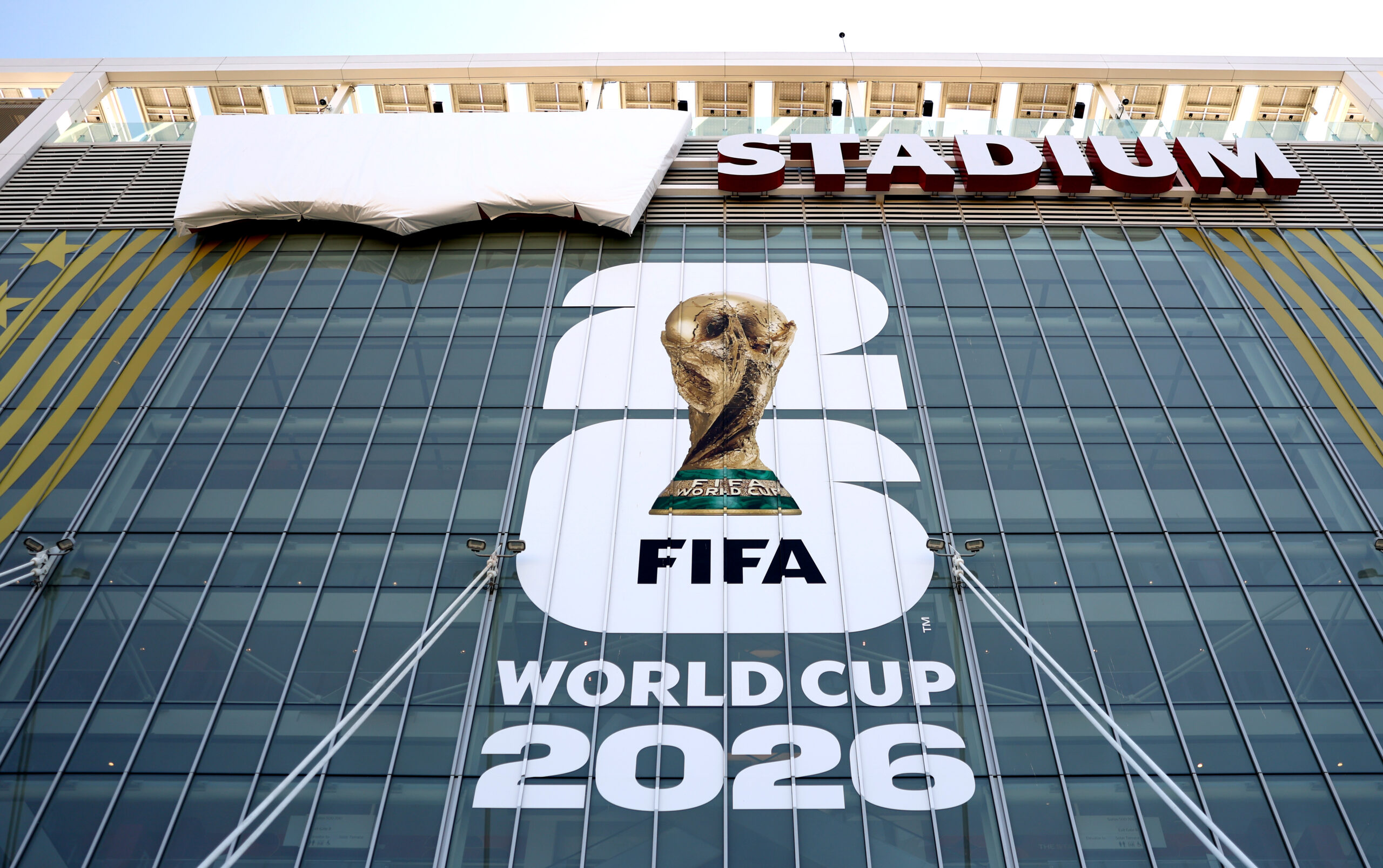
Against this backdrop, the 2026 World Cup was set to be the major catalyst of the summer. The tournament is unique in its format, featuring 48 teams, 104 matches, and 16 host cities spread across the United States, Canada, and Mexico. In theory, the event checks all the boxes for the luxury hospitality sector, with an influx of international visitors, corporate clients, premium hospitality packages, VIP suites, and affluent fans.
But the initial signs are more mixed than expected. Reuters reported, just before the start of the competition, that U.S. hotels and airlines were seeing lower-than-expected demand. High costs, visa difficulties, complex logistics across 16 host cities, and very high ticket prices are deterring some travelers. In New York, the local hotel association has even cut its revenue forecasts for the World Cup by 60%, while average hotel bookings in host cities rose by only 0.5% year-over-year, according to CoStar.
Therefore, this is not a uniform boom, but rather a highly selective market. Certain cities are drawing significant crowds, particularly when they host popular teams or when prices remain relatively affordable. According to Expedia data cited by Hotel Dive, Kansas City saw a 135% year-over-year increase in travel intent, while Monterrey recorded the strongest growth in demand for accommodations, at +255%. Secondary or outlying cities may also benefit from travelers opting for more reasonable prices.
The real challenge for luxury hotels, therefore, remains pricing strategy. Rates have risen sharply in host cities. Data from FMC reported by Sports Business Journal indicates that thirteen markets saw average prices rise by at least 80% year-over-year, with an average rate of around $499 per night across all host cities.
In summary, the luxury hotel market in 2026 remains promising, but it is becoming more demanding. Demand from affluent customers remains strong, as demonstrated by Marriott and Hilton. However, the fuel price shock is driving up the cost of long-haul travel and posing a risk to volume. The World Cup provides real support, but it is more localized and selective than hoped for. In this environment, the winners will be the groups capable of combining exclusivity, experience, pricing expertise, and high-value-added services. Luxury isn’t going away; it simply becomes harder to sell when it’s just about price, and much more profitable when it becomes an experience.
Read also > How can luxury brands capitalize on the 2026 World Cup ?
Featured photo : © Getty Images