










For a long time, the boutique was the sole domain of the major luxury houses. A space designed for sales—aesthetic, controlled, and organized. Then, a shift took place. Brands realized that a customer who spends 50,000, 100,000, or even several hundred thousand euros a year expects more than just a drink service or a private lounge.
From transactional to relational: the strategic shift
Since 2023, it is experiences—and no longer just products—that are driving growth in the luxury sector. Published in 2025 by the trend forecasting firm NellyRodi, the Intangible Luxury study documents this shift toward hospitality and culture. This space attracts VIC (Very Important Client) customers in search of exclusive experiences. According to Bain & Company, the top 2% of high-spending customers account for 40% of global luxury purchases. These ultra-wealthy individuals want moments crafted just for them. The House is no longer a place where one shops; it is a place to which one belongs.
The AP House: The Pioneer and the Gold Standard
Audemars Piguet was one of the first to conceptualize this idea. The AP House is a collector’s apartment; people come in to have a drink, play pool, or listen to vinyl. The act of purchasing is secondary there, almost invisible. This strategy has paid off: Audemars Piguet now generates a significant portion of its revenue in these spaces where the customer feels like a “guest” rather than a buyer. The success of the AP House in London, right in the heart of Mayfair, has proven the model’s effectiveness.
Watchmaking and the automotive industry: the club experience
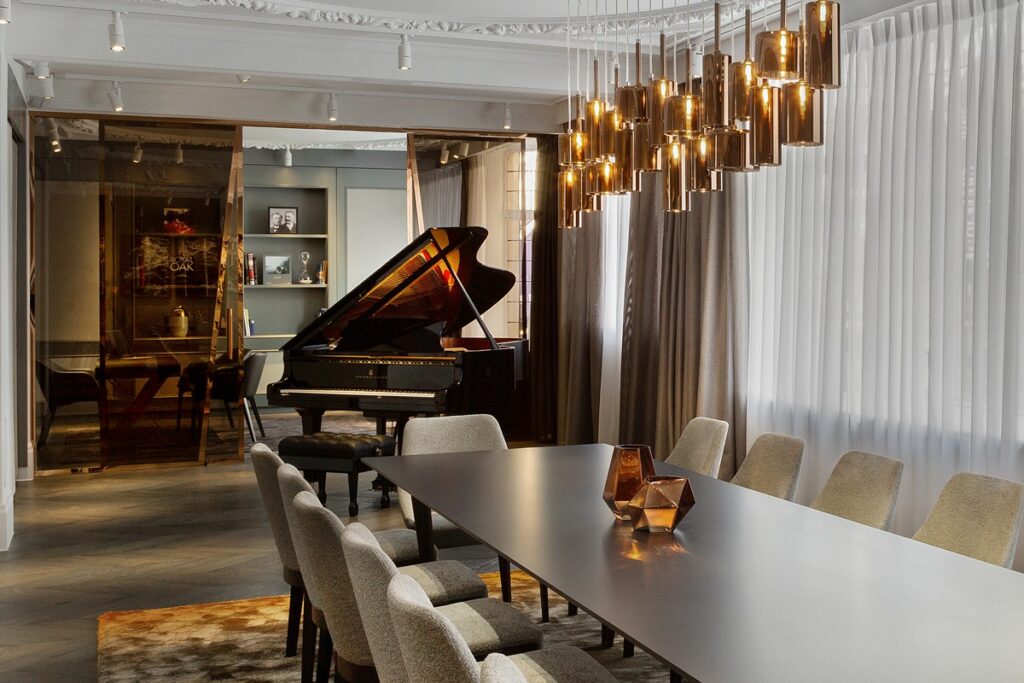
Vacheron Constantin has launched the “Club 1755”, a meeting place for collectors. For their part, Richard Mille and Cartier (with La Résidence) use these spaces to tell their technical or artistic stories far from the commercial hustle and bustle.
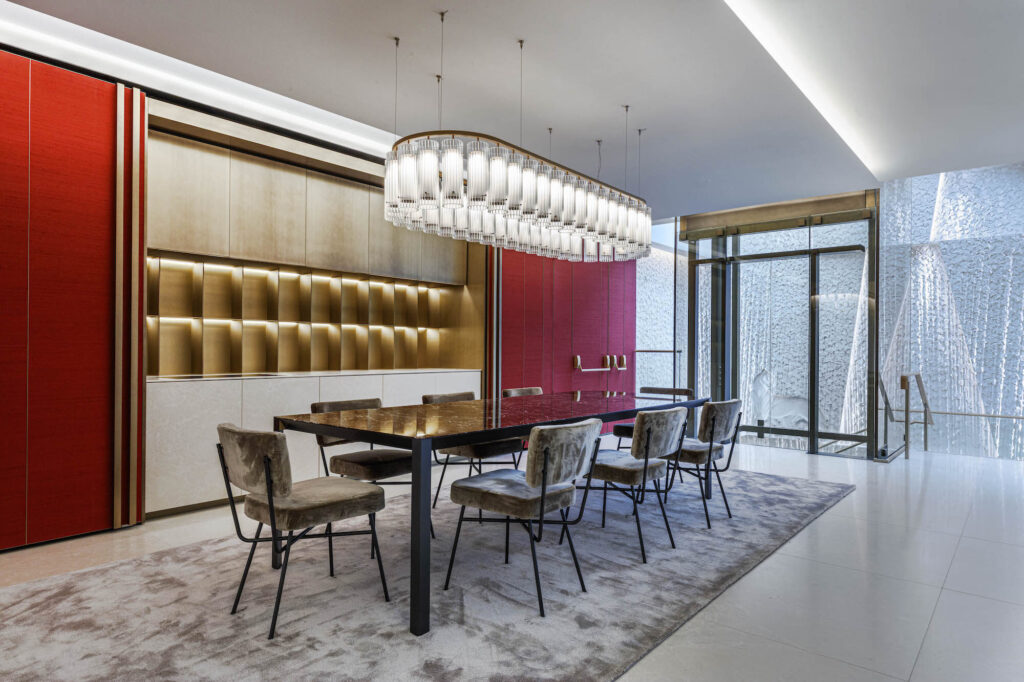
In the automotive sector, Range Rover is rolling out its “Range Rover Houses” in ultra-exclusive vacation destinations (Courchevel, Monterey, Saint-Tropez). Rolls-Royce has opened its “Private Offices” in Dubai and Shanghai to allow clients to configure their cars with the brand’s designers in a private club setting.
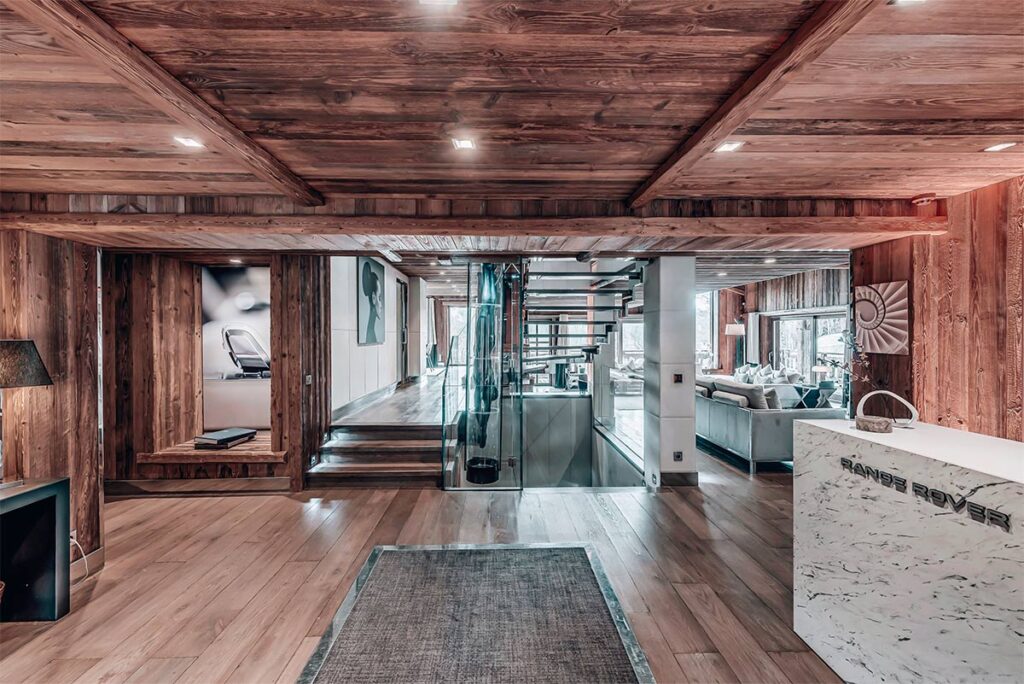
The proliferation of formats: from the Villa to the Residence
Each House now offers its own interpretation of hospitality.
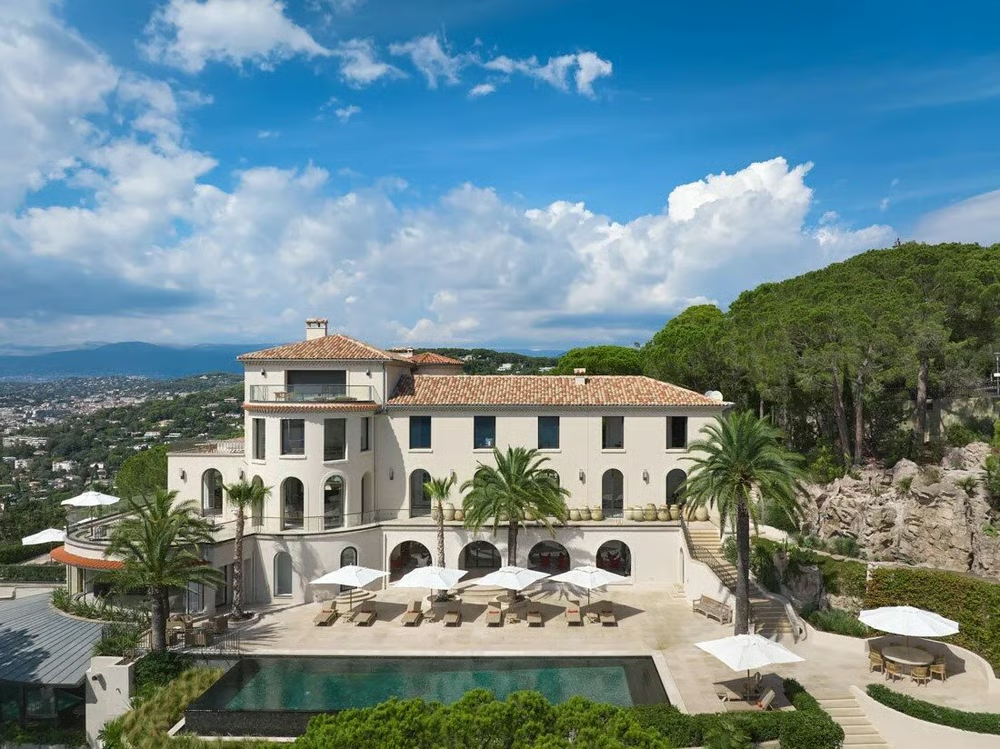
As the leader in luxury, the LVMH group is expanding its portfolio of exceptional venues. The Villa Bagatelle in Cannes and the Maison LVMH in Saint-Tropez are spaces dedicated purely to hospitality. Louis Vuitton has also developed its “Savoir-Rêver” salons, private apartments where trunks and fine jewelry are showcased. Dior, the group’s flagship fashion house, has developed the Dior Gold House in Bangkok and its private suites at 30 Montaigne. These latest initiatives allow the brand to blend heritage, gastronomy, and high-end retail.
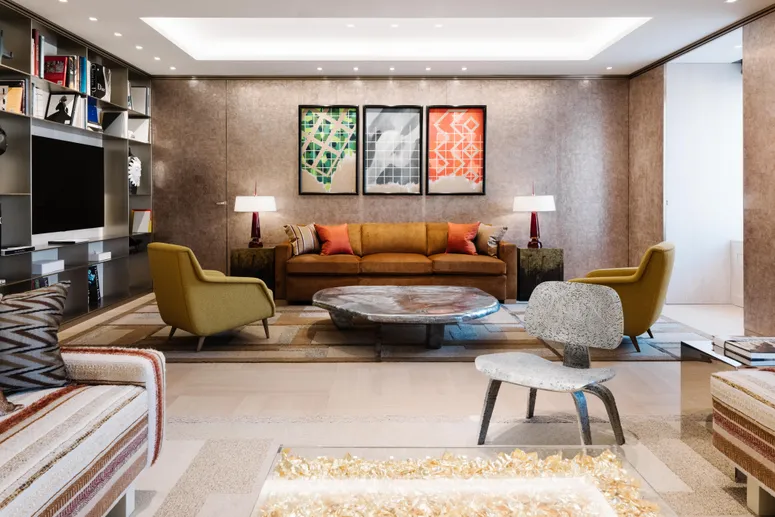
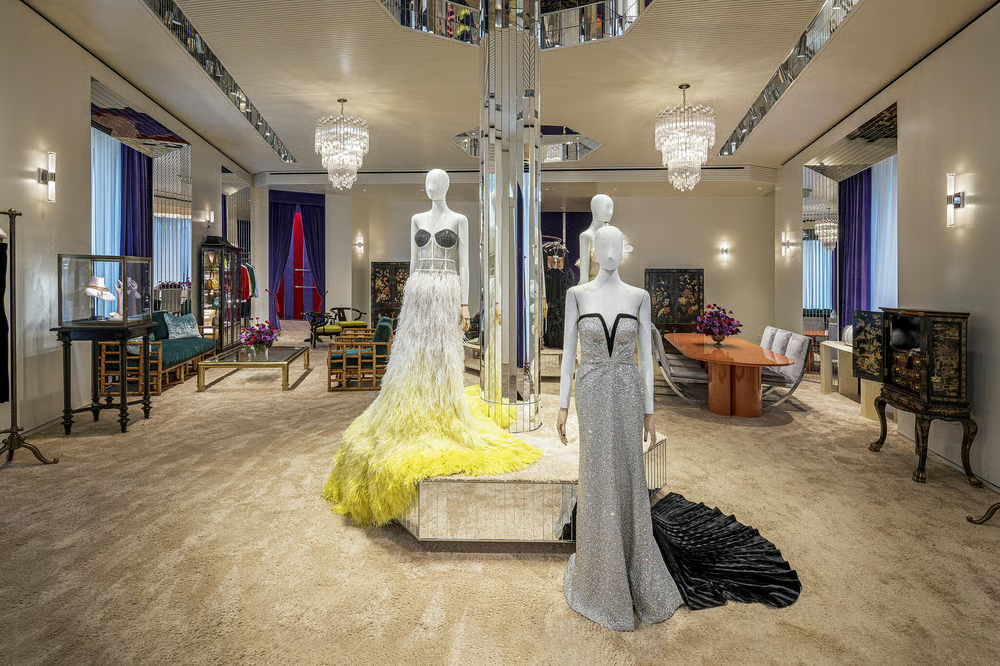
As for its rival Kering, Gucci has launched the “Gucci Salon” concept. A format aimed at the very top of the pyramid: Access is by appointment only for unique pieces and advanced customization services.
Another major player in the sector, Chanel has opened boutiques in Asia dedicated exclusively to VIPs, spaces closed to the public to ensure total discretion.
Hospitality as a New Lever of Desirability
These spaces address a need to disconnect. Brunello Cucinelli, with his “Casa Cucinelli,” recreates the atmosphere of his village of Solomeo all over the world. People dine there and discuss philosophy.
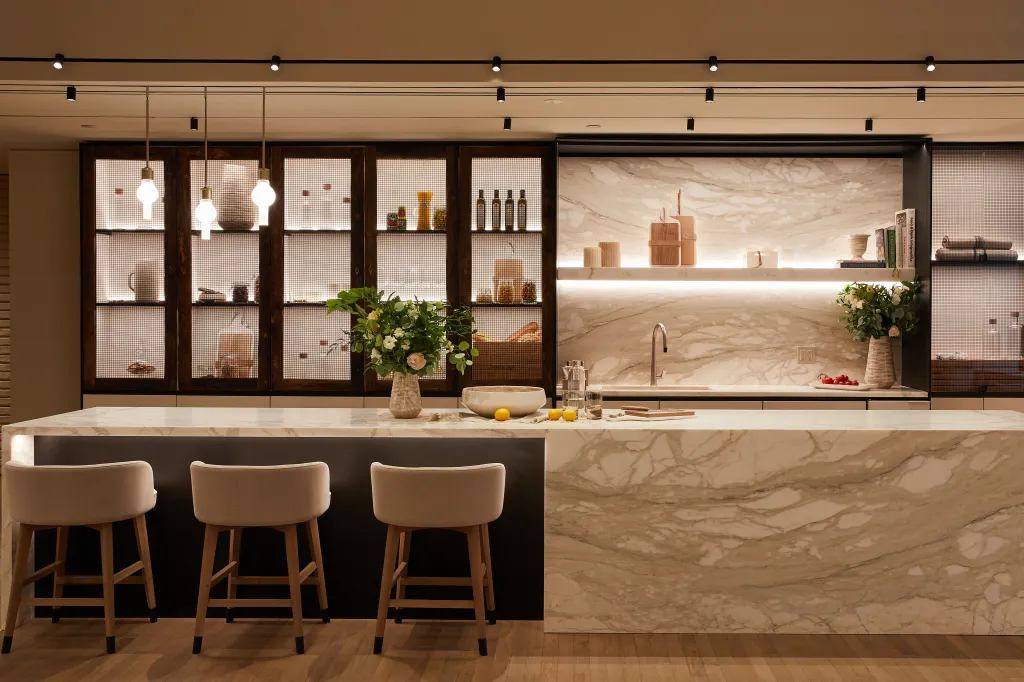
Omega has masterfully leveraged this approach with its “Omega Houses” during the Olympic Games, transforming sports sponsorship into an exclusive social event. The challenge is to create a coherent brand “bubble.”
The ROI of the Intangible
Investing in a House is a significant undertaking (prime locations, top-tier hospitality staff), but the return on investment is real. It is measured in “Share of Wallet” (share of the customer’s budget) but above all in emotional loyalty. A customer who has spent an evening in a House is no longer just a consumer: they become an ambassador.
Toward total hybridization
The future of Houses will involve an even stronger hybridization with art, gastronomy, and wellness. We are already seeing brands like Hermès or Cartier transform certain floors of their flagship stores into true private cultural centers. The boundary between the boutique, the museum, and the home is blurring in favor of a single space: the brand’s ecosystem.
Conclusion: The Price of Belonging
In 2026, the value of luxury no longer lies in the object alone, but in access. The House is the ultimate tool of this access strategy. It proves that to sell better, one must sometimes stop trying to sell. The AP House paved the way: you never sell as well as when you first seek to welcome guests well. For the Houses, this marks the definitive shift from “Retail” to “Lifestyle”.
Read more > [COLUMN] Traditional Luxury Houses Face a New Generation of Agile Brands
Featured photo: © Dior