



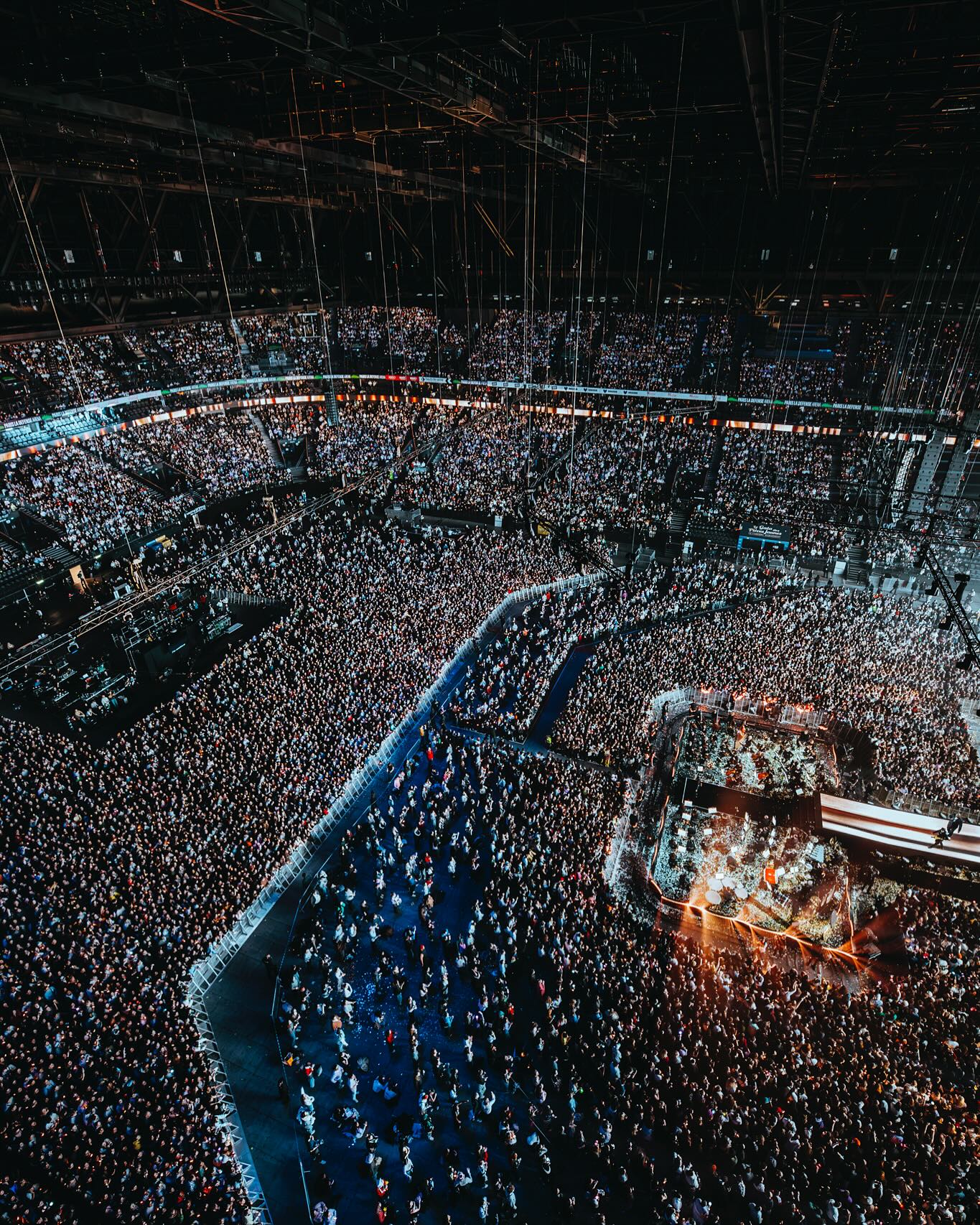

After sports, fashion, and major cultural events, it’s now the turn of performance venues to become prime platforms for luxury and beauty brands. By becoming the exclusive beauty partner of the Plenitude Arena, Europe’s largest indoor venue, L’Oréal is doing more than just signing a sponsorship deal: the group is pursuing a brand experience strategy that transforms every concert or sporting event into a life-size showcase for its portfolio of forty brands.
From visibility to immersive experience
The partnership, signed for an initial two-year term and renewable, will allow L’Oréal to take center stage at the Plenitude Arena, which welcomes more than two million visitors a year. Giant screens, pop-up beauty spaces, immersive activations, and VIP hospitality will accompany the biggest events on the schedule, from concerts by Céline Dion, Muse, and Olivia Rodrigo to the Rolex Paris Masters.
The value of this partnership extends far beyond simple advertising exposure. Major arenas have become vibrant hubs where visitors spend several hours before and after shows. For L’Oréal, this is an opportunity to showcase its products in a particularly favorable emotional context, where makeup, fragrances, and skincare become an integral part of the show experience.
The partnership also has a regional dimension. L’Oréal’s headquarters in Clichy and the Plenitude Arena in Nanterre are located just a few kilometers apart, allowing the group to strengthen its presence in the Greater Paris area while promoting its brand portfolio to a particularly diverse audience.
A partnership strategy that goes far beyond beauty
This announcement is part of a much broader policy led by Nicolas Hieronimus. For several years now, L’Oréal has been forging numerous alliances to accelerate its growth well beyond its traditional business areas.
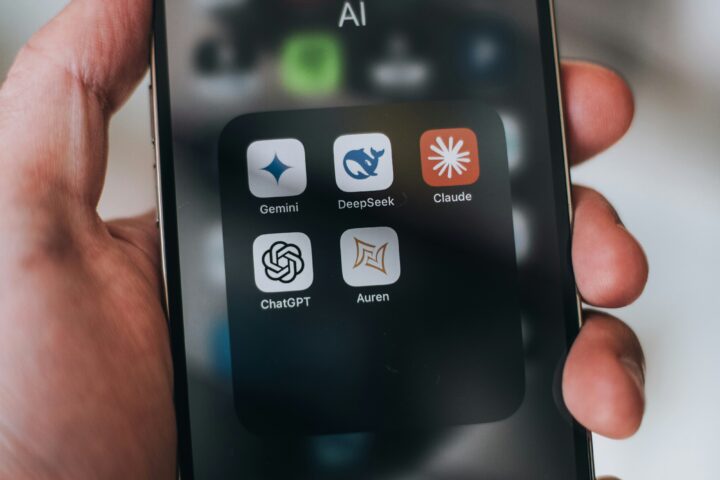
First and foremost, the group is investing heavily in technology partnerships. In 2026, for example, it strengthened its collaboration with OpenAI to develop new conversational shopping experiences, virtual makeup trials, and artificial intelligence tools designed for both consumers and scientific research. A few months earlier, L’Oréal had also expanded its partnership with NVIDIA to use predictive artificial intelligence to accelerate the discovery of new cosmetic molecules.
The group is also pursuing a strategy of expansion into the luxury sector. The strategic agreement signed with Kering illustrates this ambition: it notably provides for the acquisition of Creed, the eventual takeover of beauty licenses from several of the luxury group’s brands, and the joint development of activities related to wellness and longevity.
Experience as a new medium
By taking over the Plenitude Arena, L’Oréal is responding to a profound shift in luxury marketing. Consumers—particularly younger generations—are becoming less and less receptive to traditional advertising and are increasingly seeking memorable and shareable experiences.
Major entertainment venues are thus becoming true brand platforms. Following the example of Rolex with the Rolex Paris Masters, Mastercard at Live Nation concerts, and the numerous partnerships established by the Paris 2024 Olympic Games, companies are now seeking to associate themselves with collective emotions rather than mere audiences.
For L’Oréal, whose portfolio includes forty brands covering all segments of the beauty industry, the Plenitude Arena offers an ideal testing ground. Every concert, sporting event, or show can become an opportunity to roll out specific activations tailored to different target audiences, whether for makeup, fragrances, or skincare.
As competition intensifies among the world’s major beauty conglomerates, this strategy confirms that the future of marketing no longer plays out solely in stores or on social media, but also in the places where emotions are created. For L’Oréal, beauty is no longer just a product—it is becoming an experience to be lived.