



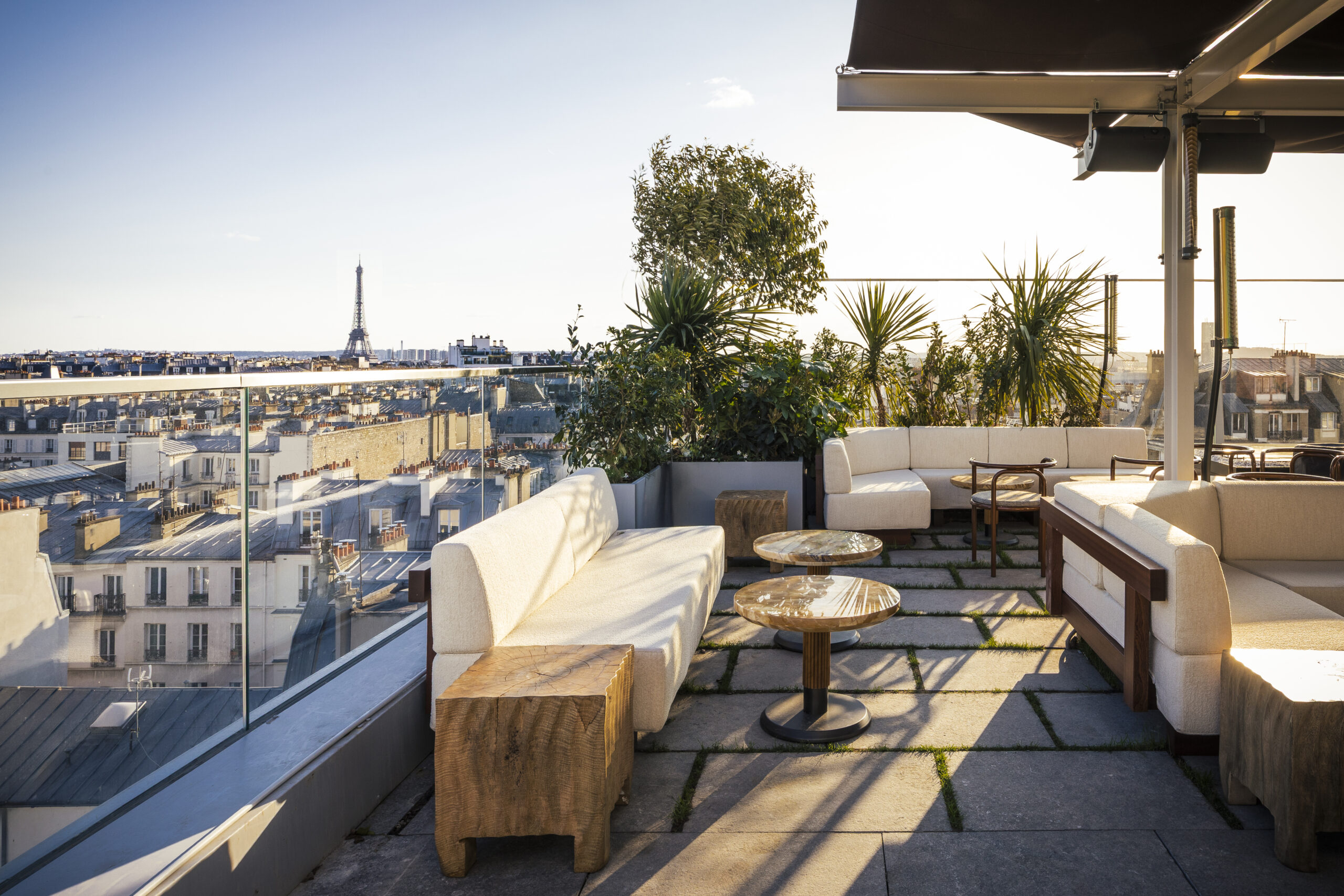







The days when a hotel’s role was limited to selling overnight stays seem to be over. Faced with guests who want to live, work, dine, exercise, or relax without ever leaving the same location, a new generation of hotels is focusing on diversifying its offerings. In Paris, La Fondation takes this concept to its extreme. Conceived by the Galia Group and operated by Terlia, this complex spanning over 10,000 m² combines a five-star hotel, restaurants, a fitness club, a Biologique Recherche spa, coworking spaces, an art gallery, and a rooftop. Behind this array of services lies a new business model where every space becomes a source of revenue and where local residents are just as important as travelers.
La Fondation: How the Hotel Becomes a Service Platform to Maximize Every Square Meter?
For a long time, the hotel industry’s business model relied primarily on a single metric: room occupancy rates. Today, revenue comes from a multitude of ancillary activities. Dining, wellness, sports, coworking, events, and culture have all become profit centers that help maximize a building’s revenue throughout the day.
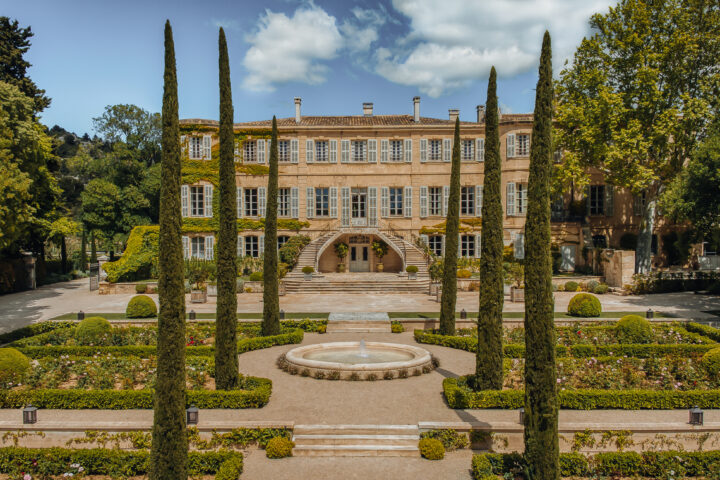
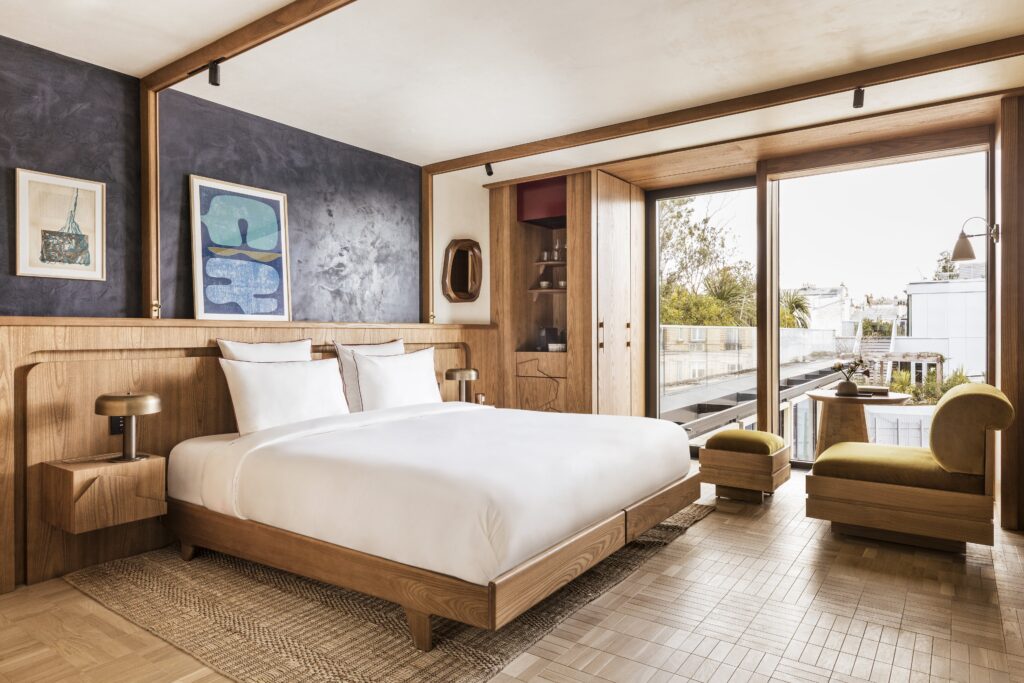
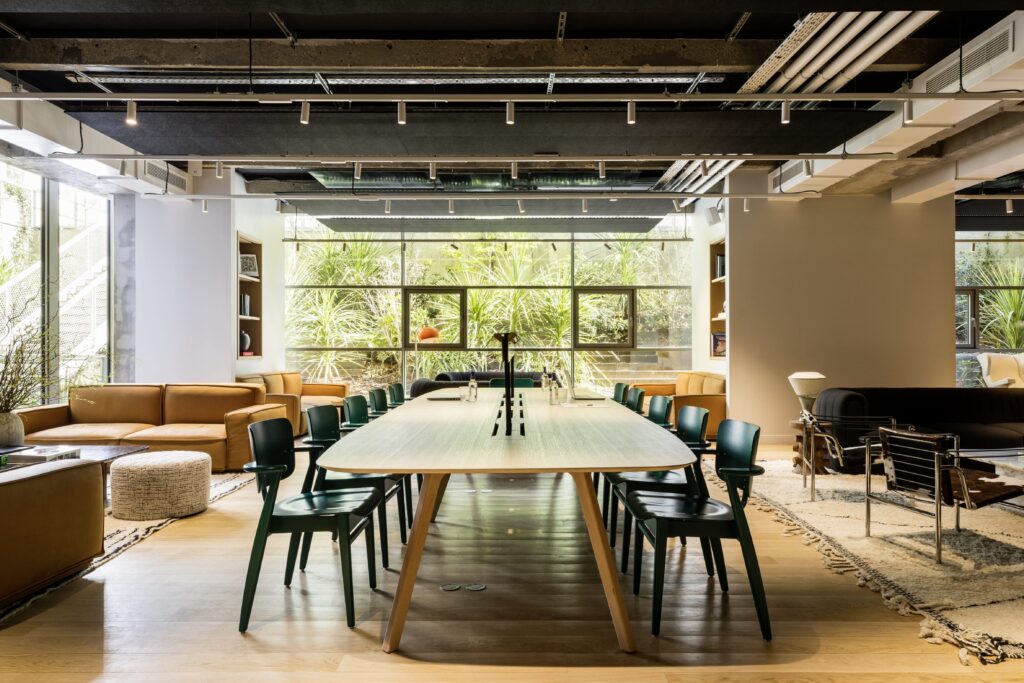
In Paris, La Fondation is one of the most successful examples of this evolution. Located in the 17th arrondissement, between Parc Monceau and Les Batignolles, this 10,000-square-meter venue – conceived by the Galia Group chaired by Brice Errera and operated by Terlia – no longer presents itself as a traditional hotel but as a “living space” intended for travelers and Parisians alike. The complex includes a five-star hotel, several restaurants, a rooftop terrace, a fitness center, a spa, offices, meeting rooms, an auditorium, hanging gardens, and a permanent arts program.
This approach responds to a profound shift in how spaces are used: guests are no longer looking just for a bed, but for an environment where they can spend an entire day.
Transforming a Former Garage into a Place to Live
The project itself is part of a broader transformation.
The site was once home to a former photography studio, complete with a garage. Rather than erasing this industrial heritage, the designers chose to integrate it into the project. The large open spaces, glass roofs, and certain original structures were preserved to create an open architectural design, largely inspired by modernism.

Read also > [INTERVIEW] Michael Dayan, co-founder of Highstay, a new model of hospitality
Featured Photo : © La Fondation