












Long marginalized from international luxury dynamics, India is now emerging as a high-potential market, driven by vigorous economic growth, a rapidly expanding affluent class, and a redefinition of consumer habits. While the country has a centuries-old tradition of exceptional craftsmanship, it is now ready to position itself as a key player in the contemporary luxury market. With a free trade agreement recently signed between India and the European Union, it is worth taking a closer look at the country’s strengths and unique characteristics.
The transformation of the luxury market in India
The Kearney study examines the evolution of the Indian market since its economic liberalization in 1992. The country underwent a profound structural transformation, which is now reflected in the growth of numerous indicators.
In 2025, Kearney published a report on luxury in India providing previously unpublished data. At the same time, Éric Briones shed light on luxury consumption among young Indians in his book La génération Z et le luxe (Dunod), offering an enriching perspective on certain aspects of the study.
At the Vicenzaoro trade show in September 2025, Archana Thani, editor-in-chief of Vogue India, spoke at length about the expectations of the new generation in India with regard to jewelry, caught between a desire to respect their cultural roots and an aspiration to break free from them.
Annual GDP growth between 2022 and 2027 is expected to be around 8%, compared to just 6% for China. Rising living standards, a growing middle class, and greater social mobility are likely to characterize Indian society, unless Donald Trump’s recent decisions change the game. Purchasing power is steadily increasing (6% per year). At the same time, the number of dollar millionaires is growing by around 15% per year, and India ranks fourth among the countries with the most billionaires. According to Alexandre Guérin, CEO of Ipsos France, who contributes to the collective work “Generation Z and Luxury,” edited by Eric Briones, the number of ultra-rich individuals with more than $30 million to their name is expected to increase by 60% by 2027.
Compared to its Chinese neighbor, the PLG (Personal Luxury Goods, Ed.) market in India still represents only a quarter of this segment in China. The two are therefore difficult to compare at this stage, but where China is struggling, India shows strong potential and sustained growth. The size of the Indian luxury market is expected to reach $12 billion in 2028, according to the study, compared to $7.74 billion today. This growth trajectory is much higher than in many other countries. Looking at the different luxury sectors, jewelry is performing particularly well (accounting for two-thirds of personal luxury goods consumption, according to Bain & Co.), ahead of fashion, leather goods, and footwear, with the latter segments accounting for only 11% of spending. On the other hand, Swiss watches are lagging behind, accounting for only 3% of the market (compared to 21% in China). But they are expected to experience strong growth in the coming years, boosted by an expected reduction in customs duties. India is then expected to be among the top 10 largest markets for Swiss watchmaking. The other most promising sectors are beauty, perfumes, and hospitality.
Luxury in India is closely linked to local culture
The Kearney study identifies five key characteristics associated with luxury customers. An attraction to sophisticated, meaningful products that are finely crafted and rich in color. The importance of weddings, festivals, and major events, where the symbolism of luxury is fully expressed through ostentatious spending.
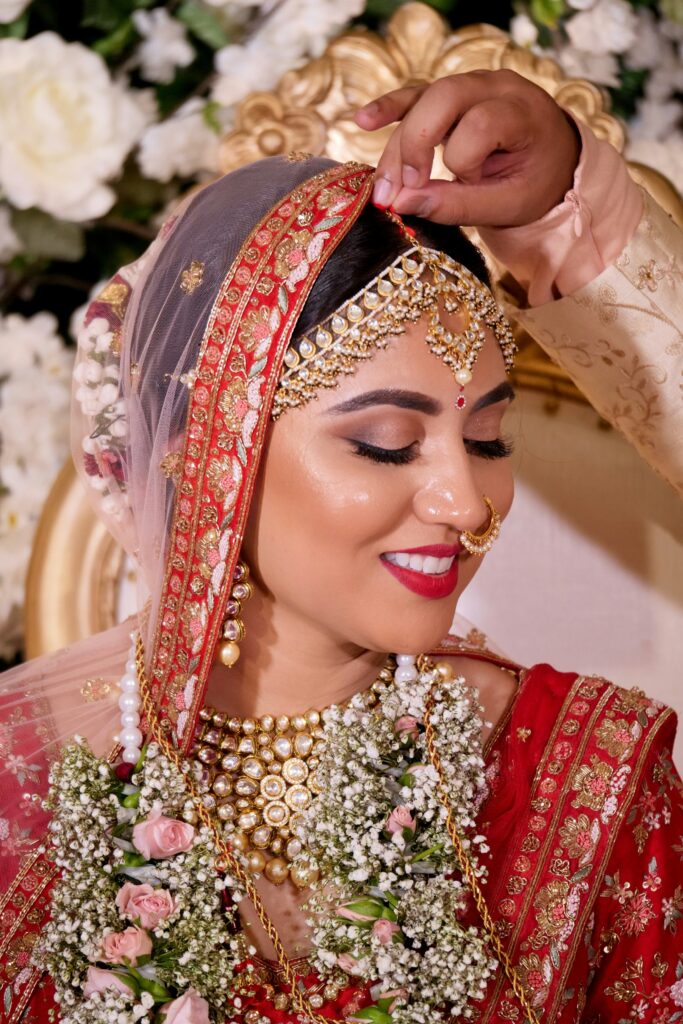
International shopping, with certain Indians readily traveling to Dubai, Singapore, or Switzerland, their favorite destinations (more exclusive choices, favorable taxes). However, Delhi and Mumbai are becoming increasingly popular as new luxury brands establish themselves there. The rise of digital platforms, particularly among young people, even though the in-store experience and authenticity remain highly sought after for high-end luxury goods, which gives physical stores a definite advantage. The purchase of watches and jewelry, prized for their status and heritage value.
Three consumer profiles emerge
First, there are “traditionally wealthy” consumers. These “old money” individuals, who represent 40% of the potential market, come from wealthy families and have assets worth more than $6 million. Attached to discreet and valuable luxury, they buy unique, precious items that are both status symbols and investment objects.
Next are the “new money” (37%), who are often entrepreneurs or individuals who have achieved wealth through their own merit. With an annual income of between $70,000 and $180,000, they primarily purchase luxury items with an international appeal, as well as vintage, timeless creations or collectibles with high investment value.
Finally, there are the “ambitious aspirants” (23%). With an income between $30,000 and $70,000, they favor recognizable brands that give them the prestigious status and social recognition they aspire to. Luxury is a way for them to gain access to elite circles. However, they do not neglect quality in their purchasing criteria; they are cautious and demanding.

Gen Z still strongly attached to traditions
At the heart of this population of luxury aspirants, where are the youngest ones, those who will pave the way for the luxury of tomorrow? According to Alexandre Guérin, quoted by Eric Briones (“Generation Z and Luxury”), the comparison between young luxury customers in India and China is not so obvious. Indeed, while Chinese Gen Z * is rather eager for Western luxury, Indians of the same generation (born between the late 1990s and early 2010s) remain strongly attached to traditions and local brands. As a result, the development of the luxury market will certainly be “based on hybridization and cross-fertilization with Western brands.”
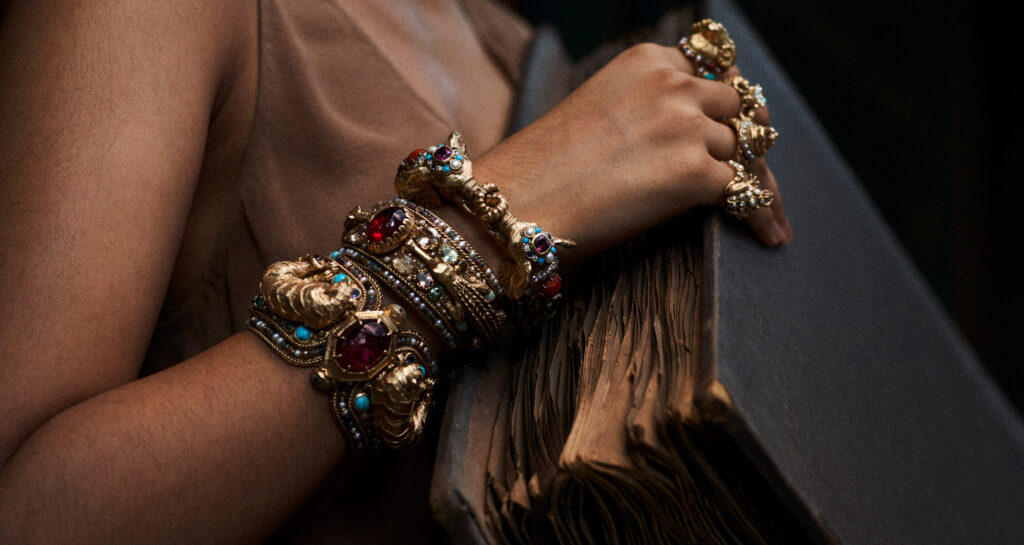
Archana Thani pointed out during her speech at the Vicenzaoro trade show last September that young people today are looking to express their personality through the jewelry they wear. For them, the spiritual dimension of jewelry has not disappeared, it has simply shifted to another form of expression. “For more than five millennia,” she said, “India has not only created jewelry, it has confined it to a status of power, protection, spirituality, and ritualization. From ancient times to the Mughal era and today’s wedding jewelry, jewelry has been deeply rooted in our cultural fabric. What is happening right now is subtle, but in fact, it is an earthquake, with young people moving away from the ceremonial status of jewelry (weddings, Diwali and other celebrations, editor’s note) towards something that better reflects their personality.”
Indian Gen Z represents an incredible pool of wealth, not only in terms of demographics (375 million individuals, with 40% of the Indian population under the age of 25) but also in terms of future wealth. While India still has to contend with widespread poverty, the ultra-rich are growing in number and, more importantly, the middle class, which is more directly relevant to Gen Z, is growing exponentially thanks to the rapid development of income linked to industry, research, and technology. The country’s dynamism reflects a youth that is confident in its future, unlike China, which is concerned about youth unemployment, estimated at over 24% in 2023, according to Alexandre Guérin.
In addition, the large Indian diaspora, particularly young executives and high-income entrepreneurs, is playing a growing role in introducing consumption patterns that are more open to international influences and less rooted in local specificities. For the time being, however, Western luxury goods are not replacing local brands. Observations point more to a process of hybridization between the two.
The question of authenticity remains crucial
Indians are attached to their craft traditions and authenticity. However, the market is highly exposed to counterfeiting in the luxury sector, an issue that has become vital for foreign brands keen to defend their image. Strengthening physical presence, developing secure platforms, and educating the public are essential for building trust and desirability. Loyalty and emotional engagement can only be achieved through excellent service and a strong physical presence.
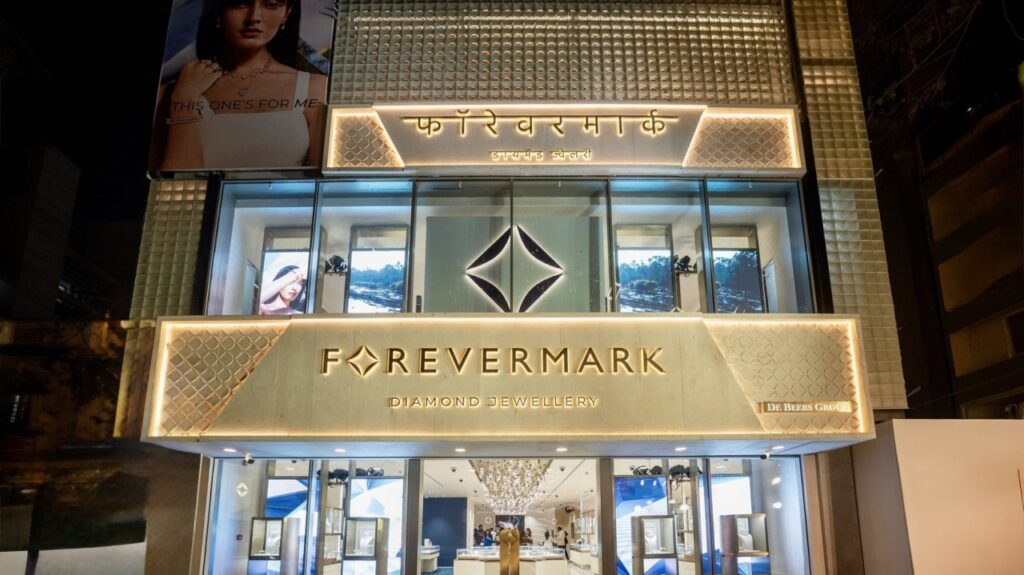
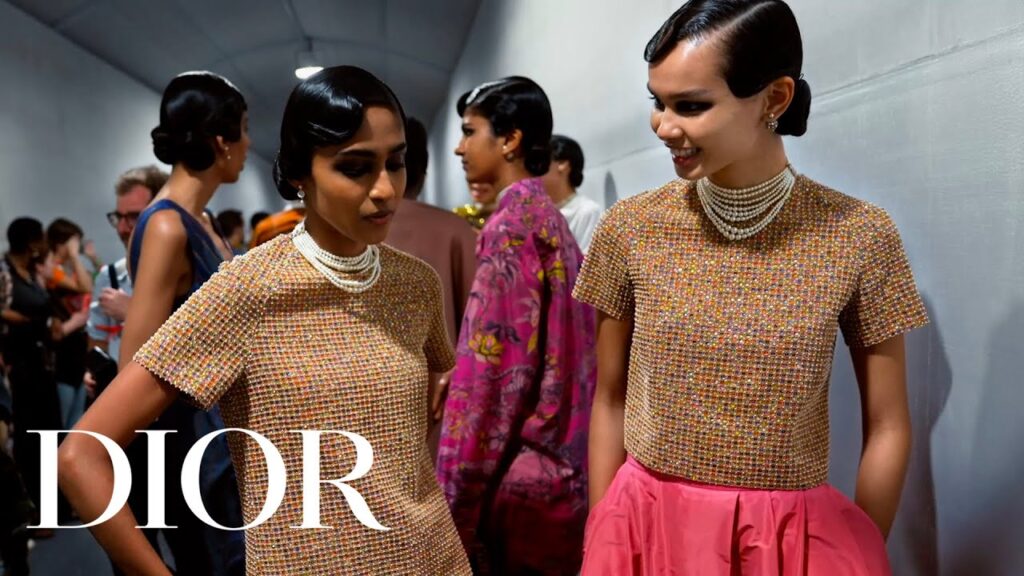
Cultural roots, as well as the hybridization of Indian and Western luxury, are essential to appealing to Indian luxury customers. Dior and Hermès have successfully incorporated Indian aesthetic codes into their creations. De Beers, for its Forevermark brand, is collaborating with designer Sabyasachi Mukherjee to reinforce its legitimacy. Forevermark is now exclusively dedicated to the Indian market after having had a strong presence in the United States, a sign of the importance given to the country. Houses such as Tiffany & Co. and Gucci are calling on local celebrities to create cultural proximity with the public.
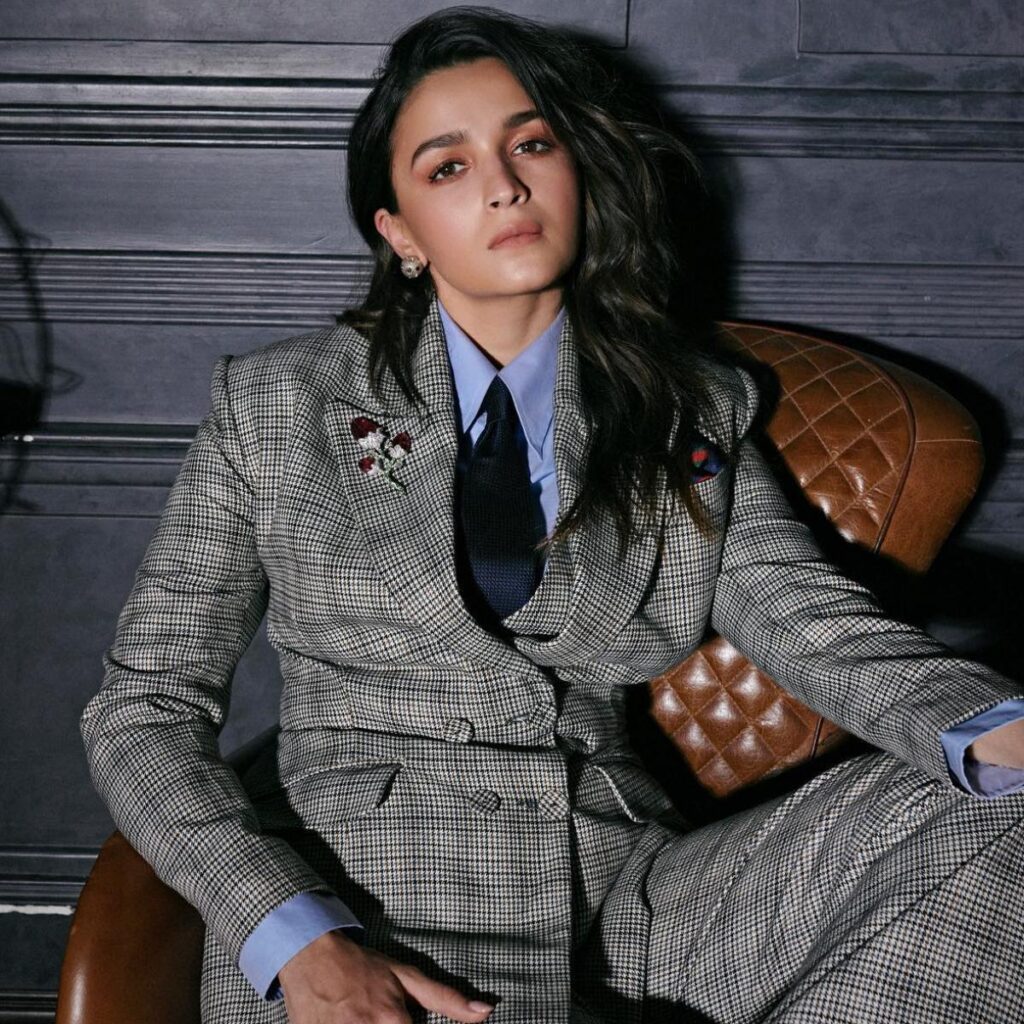
The study’s observations are supported by Alexandre Guérin’s analysis of social media: “Influencers are not mesmerized by Western brands,” he says, whether they are celebrities from the world of art, business, or highly followed content creators. All of them promote Indian luxury brands as a priority with obvious pride, while welcoming Western brands alongside them to complement, accessorize, and enhance them.
The special case of jewelry
According to Archana Thani, jewelry was dominated by men and has long been considered an investment by families. The weight of gold was a benchmark. Although the purchase of gold as a safe haven remains predominant in India, the perception of jewelry has changed, shifting from an investment value to a more hedonistic meaning among young people. This does not mean that the traditions of Indian jewelry craftsmanship are being lost. Quite the contrary.
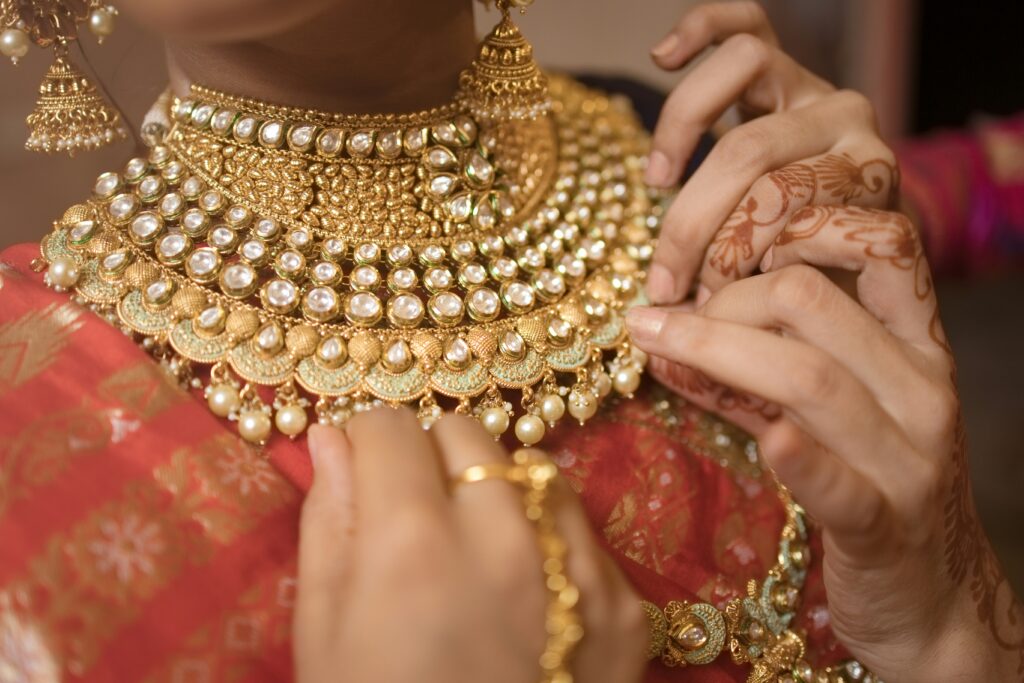
The techniques of kundan (24-karat gold closed setting), minakari (enamel), and filigree are still highly prized, and the younger generation expects Western brands to take this into account in their designs, to respect their customs while offering them something new, to take their imagination on a journey, to “transport their spirit from India to Italy,” says Archana Thani. As is the case with fashion and accessories, Western jewelry must be able to harmonize with traditional outfits, local fashion, and accessories, regardless of their origin. Indian Generation Z likes to mix styles and aesthetics. Playing with jewelry, clothing, and accessories, mixing, swapping, and creating new looks has become a game and an art form. This modernity is accompanied by more discreet, less ornate designs, and Western influence is certainly present in this new paradigm of chic, which is widely shared by young people.
For the editor-in-chief of Vogue India, the subtlety lies in the ability of Western brands to understand the nuances of Indian culture and integrate them into their designs without unwelcome cultural appropriation.
Slow to overcome obstacles
Beyond individual aspirations, what are the factors blocking the Indian luxury market? First and foremost is the tax regime, which remains burdensome for Western luxury players, with a 28% tax on luxury goods and import duties of up to 20%. Nevertheless, ongoing agreements with the EFTA (Iceland, Liechtenstein, Norway, and Switzerland) should facilitate trade for Swiss watchmakers. To circumvent these tariff barriers, some brands are partnering with local players, as illustrated by the collaboration between Galeries Lafayette and Aditya Birla Fashion to open flagship stores in Mumbai and Delhi (the first opened in December 2025 in Mumbai) or the example of Pernod Ricard, which is producing its first whisky locally.
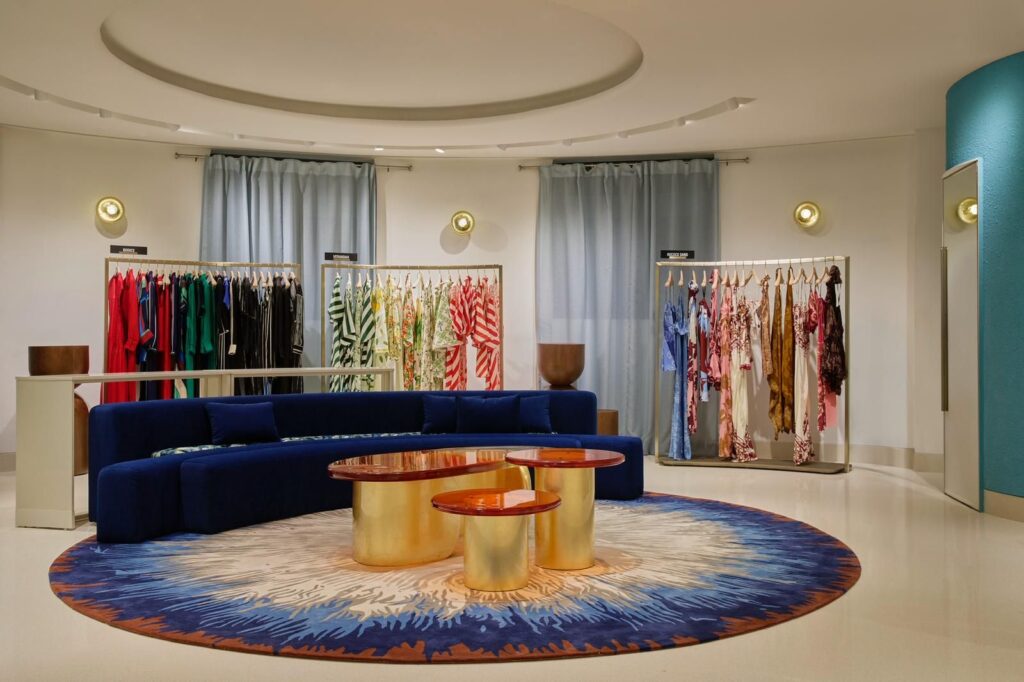
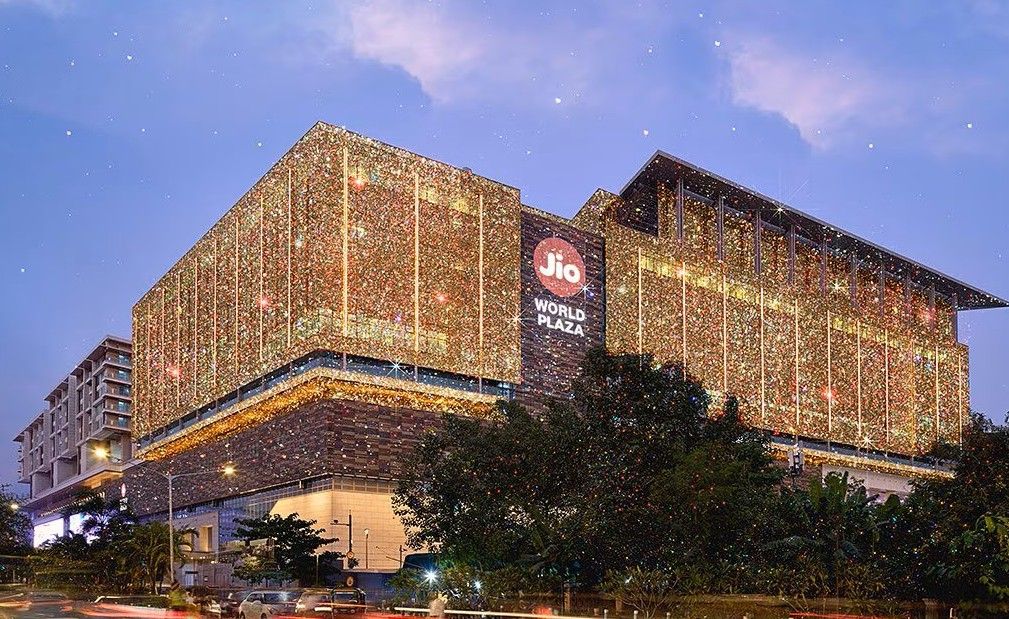
Infrastructure, which has always been India’s weak point, remains so. It is still difficult to find locations for malls or luxury boutiques in secondary cities despite growing demand. In large urban areas, things are changing. Prestigious shopping centers are emerging, such as Jio World Plaza in Mumbai and Phoenix Palladium. Luxury brands and houses are setting up shop there (Tiffany & Co., Balanciaga, Omega, Rimowa, Louis Vuitton, Gucci, Cartier, Bulgari (the latter has reportedly tripled its sales in the country since 2024, according to Bain & Co.) … but only 6 of the country’s 300 shopping malls are home to luxury brands.
As the global luxury landscape evolves, India is positioning itself as a land of opportunity, where tradition and modernity combine to shape a unique market. Brands that are able to decode this cultural and socio-economic complexity, while offering an impeccable experience, will be the ones that take full advantage of this exceptional dynamic.
Read also > How is Sabyasachi Mukherjee adapting to the decline of opulent weddings in India?
Featured photo: © George Dagerotip/Getty Images/Unsplash+