












Forget the dusty image of dark cellars reserved for insiders only. The luxury wine and spirits market is undergoing a real revolution. Never before have fine wines, rare cognacs, and exceptional whiskeys been so coveted. But what has suddenly sparked the general public’s interest in these bottles, which can cost several thousand euros? We take a closer look at this global phenomenon.
Drink less, but better.
For several years now, a fundamental trend has been emerging in developed countries: people are consuming less alcohol, but are willing to pay more for exceptional products. Alcohol is no longer seen as simply a party product, but as a cultural and sensory experience.
This “premiumization” directly benefits the high-end segments. Volumes are stagnating or even declining, but value is increasing thanks to upmarket products and limited editions.
In France, nearly 60% of the value of wine and spirits exports now comes from premium and luxury products, even though they account for less than a third of volumes. In other words, the driver of growth is no longer quantity, but rarity.
France, the global pillar of luxury alcohol
France remains at the heart of this market. Bordeaux and Burgundy dominate the fine wine collection segment, while Champagne has established itself as a universal symbol of celebration. In spirits, cognac perfectly illustrates the luxury strategy: more than 95% of production is exported, with an increase in quality and ultra-prestige editions.
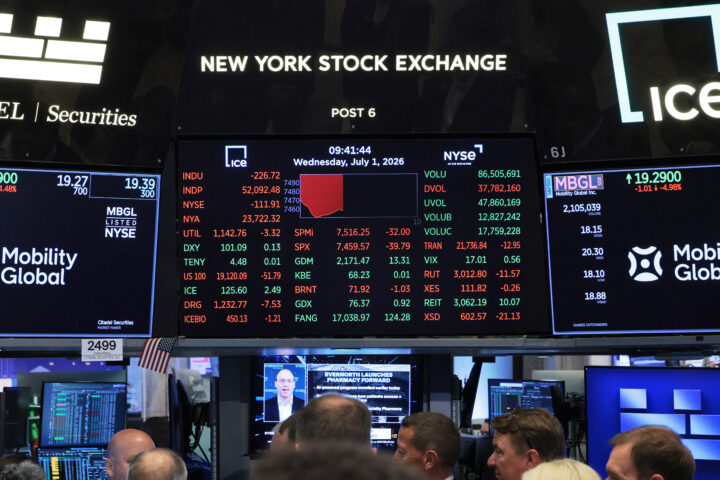
This positioning explains why wines and spirits are France’s second largest trade surplus, behind aeronautics! On the other hand, global leaders such as Pernod Ricard and Rémy Cointreau are underperforming on the stock market. How can this be explained? These highly diversified companies, with Pernod Ricard owning 80 French and international brands in its portfolio, remain vulnerable to changes in consumer behavior. This can manifest itself in moderation, health concerns, taxes, regulations, etc. The macroeconomic environment (inflation, purchasing power, geopolitics, customs duties) could also have a significant impact.
The revenge of spirits, with tequila and whiskey at the top
While the great wines of Bordeaux and Burgundy remain safe bets, the current momentum comes mainly from spirits. Whiskey, whether Scottish or now Japanese, has become a luxury staple.
But the real surprise comes from Mexico. High-end tequila and mezcal are experiencing explosive growth, particularly in the United States and Europe. Forget late-night shots; we’re talking about tequilas aged in oak barrels, tasted like cognacs, in hand-painted ceramic decanters. Boosted by celebrities launching their own brands (from George Clooney to Kendall Jenner), these drinks have successfully become fashion accessories.
When the bottle becomes an investment
For many, buying a fine wine is no longer just a promise of enjoyment, it’s a financial investment. Wine has become a high-performing “asset class,” often more stable than the stock market.
Some collectors buy cases of wine “en primeur” (even before bottling) to resell them ten years later at a substantial profit. Online auction platforms are multiplying, such as Liv-ex 100, making this investment accessible to all.
The Liv-ex 100 remains the global benchmark for tracking the evolution of fine wine prices. Over the long term, the index has shown that it can generate very competitive returns of between 8% and 10% annualized. However, the recent context of rising interest rates, returning inflation, and falling demand in China has weakened the index, causing a 25% correction in prices since 2023. That said, the market appears to have begun a slight recovery since the summer of 2025. In September 2025, the Liv-ex 100 index rose by +1.1% over one month.
Risks and precautions
However, the market for rare wines and spirits is exposed to counterfeiting. Investors must ensure the authenticity of their purchases by relying on certificates and using reliable platforms.
Although this market is relatively unaffected by economic cycles, it remains sensitive to fashions and trends. The popularity of a product can therefore vary rapidly, which has an impact on its price. It is therefore crucial to adopt a diversified investment strategy.
Finally, customs duties can undermine profitability, particularly for exporters. In the United States, Donald Trump’s priority given to local products, already illustrated in 2019 by a 25% tax on French still wines, had an estimated economic impact of €500 million and a 40% drop in exports to the United States, according to the FEVS (Federation of Wine and Spirits Exporters).
In short, the luxury wine and spirits market no longer just sells alcohol. It sells time, rarity, and a certain idea of the art of living. But beware of the risks this entails…
Read also > Fine wines consolidate their position in the global luxury market
Featured photo: Tequila Clase Azul