







Who really thinks they’ll live to be a hundred? The question still seemed abstract. It is becoming less and less so. By 2030, one in six people worldwide will be over sixty. But behind the demographic data, another question arises: what does it mean to live long if we don’t live well? This is where longevity changes its nature. It is no longer just about the years gained, but about energy, presence, balance, and our relationship with the body and time. And this is where luxury comes into play.
From possession to transformation
Luxury and longevity already speak the same language: that of the long term, of quality, of duration. In theory, nothing is more coherent than a luxury house that focuses on what enables longevity.
But if the subject has become strategic today, it is also because luxury has at times strayed from this promise. By being constantly conflated with fashion, it has been swept up in a logic of acceleration: collections, capsule lines, drops, immediate desire, constant renewal. This dynamic has fueled desirability. It has also undermined what constituted its core value: craftsmanship, rarity, quality, and the relationship to time.
Longevity thus arrives at a particular moment. It offers not only a new market segment, at the intersection of wellness, beauty, and preventive health. It reactivates one of the foundations of luxury: embedding value in duration. What is changing is the object of this duration. For a long time, luxury sought to make the product last: a bag, a watch, a piece of jewelry, an exceptional item. With longevity, the focus shifts to the customer. It is no longer just about preserving what one owns, but about accompanying what one becomes.
This is where transformative luxury comes into its own. After status-driven luxury, based on possession, and then experiential luxury, based on the moment lived, a new horizon is emerging: that of a luxury capable of supporting personal transformations. A more continuous relationship, embedded in habits, rituals, and life trajectories.
The alliance between Kering and L’Oréal can be viewed through this lens. It does not merely signify a consolidation trend in luxury beauty. It signals that major groups are seeking to build new value territories at the intersection of beauty, skincare, wellness, and longevity. In other words, longevity is not just another category to invest in. It reveals a deeper shift: luxury is no longer valued solely for what it helps sustain, but for what it enables us to transform.
From lifespan to healthspan : when data is no longer enough
Today, as the culture of biohacking and self-monitoring grows, longevity offerings tend to converge on a common foundation: blood tests, physiological scans, epigenetic recommendations, and metabolic analyses. The setting, too, is becoming standardized: a soothing aesthetic, somewhere between a high-tech clinic and a holistic center with traditional touches.
By becoming so similar, these protocols sometimes turn longevity into a turnkey promise—reassuring but interchangeable. One can undergo a highly sophisticated clinical experience, receive a precise diagnosis, leave with data and recommendations, and then return to real life: its constraints, its rhythms, its contradictions. This is often where the transformation comes to a halt.
For while everyone learns to measure, data eventually becomes commonplace. The advantage no longer lies solely in the precision of the diagnosis, but in what enables a transformation to endure over time: desirability, ritual, relationship, and support. Healthcare and technology professionals know how to diagnose, objectify, and recommend. But they do not always possess the historical asset of luxury brands: creating attachment, embedding a gesture in the imagination, transforming a recommendation into a desirable habit. Longevity is therefore not merely a domain where luxury should catch up with healthcare. It is also a domain where luxury can bring to longevity what healthcare cannot always create on its own: meaning, desire, and emotional loyalty.
This shift also changes the language. Longevity ceases to be an anxiety-inducing race against aging. We no longer think solely in terms of lifespan—living longer—but in terms of healthspan: the duration during which we live fully. The goal is no longer to accumulate years, but to preserve what defines the quality of those years: energy, mobility, the ability to recover, autonomy, mental clarity, and a sense of presence.
This is where luxury can play a unique role. Where protocol standardizes, luxury knows how to do the opposite: take time, personalize, ritualize, and build a relationship. What luxury houses have always offered—rare attention, a nuanced understanding of customs, and the ability to make a gesture desirable—becomes their most distinctive asset here.
Longevity is thus no longer about mere duration, but about meaning: the meaning we give to time, to the body, to the energy we seek to preserve. For players in the luxury and beauty sectors, a major strategic field is opening up: helping their clients reach their full potential—not only aesthetic, but also physiological, cognitive, and emotional.
Toward a longevity of support and presence
Longevity is becoming a new frontier of experience and customer relations for the luxury sector. It is no longer limited to health : it is built on very concrete pillars—knowledge of the body, movement, sleep, nutrition, recovery, mental balance, and connections to others and the environment.
This shift is already beginning to manifest in the initiatives of the Houses.
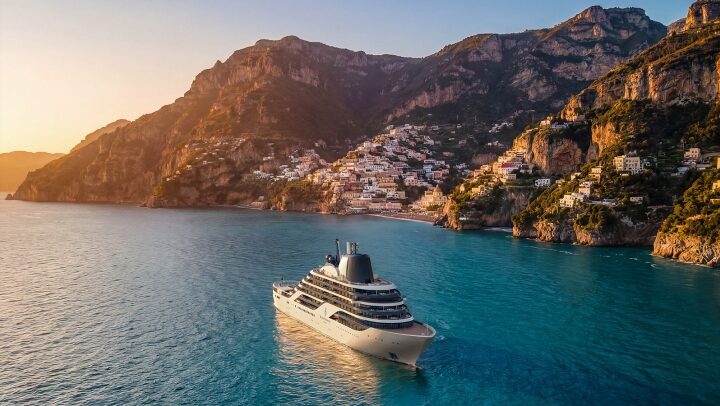
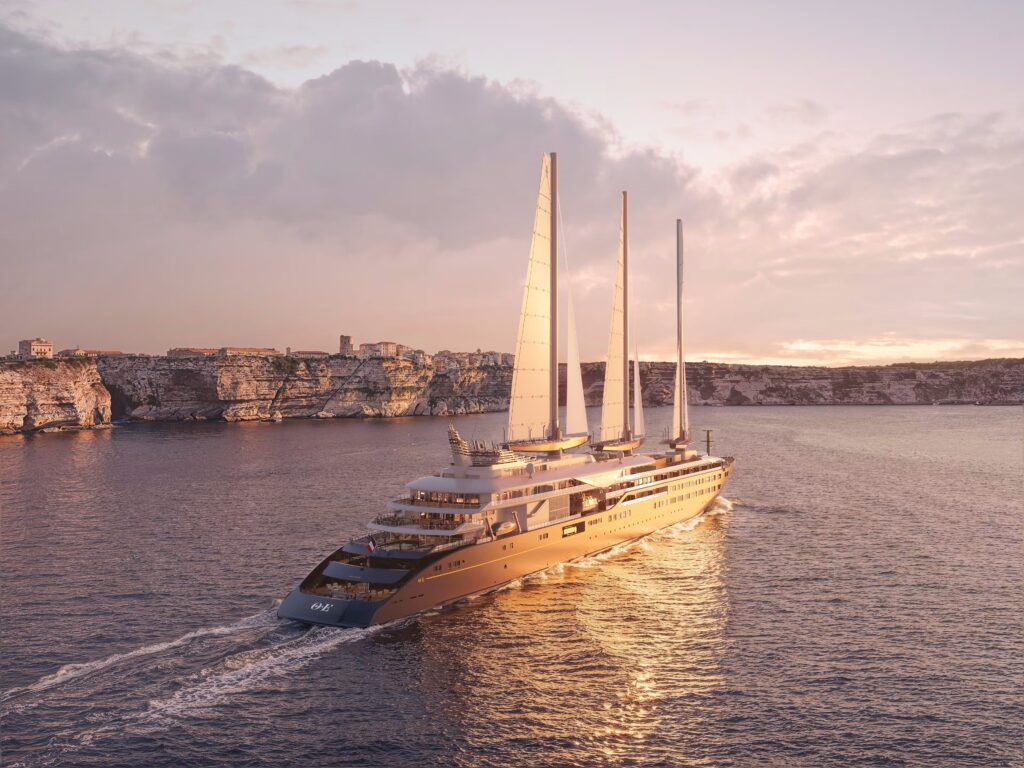
It is first and foremost in beauty that this shift is most visible. The vocabulary of anti-aging is giving way to that of skin longevity. But uniqueness no longer lies solely in the product itself: it is built within the ecosystem that the brand deploys in its relationship to the body and time. Guerlain illustrates this shift with its announced partnership with Orient Express Sailing Yachts. The House is no longer limited to the beauty product: it is expanding its territory into travel, well-being, and the art of living, through experiences designed both on board and ashore. Beauty thus becomes less a promise of correction and more a sensory journey, rooted in a vision of time for oneself, escape, and vitality.
Galénic illustrates this shift in a particularly tangible way. With Maison Galénic on Rue de la Paix, the brand doesn’t just talk about skin longevity—it turns it into a physical experience. The space transforms an invisible science—that of cellular time—into a sensory journey, from discovering the skincare products to the private treatment rooms and the Capsule, designed as a space dedicated to cellular expertise.
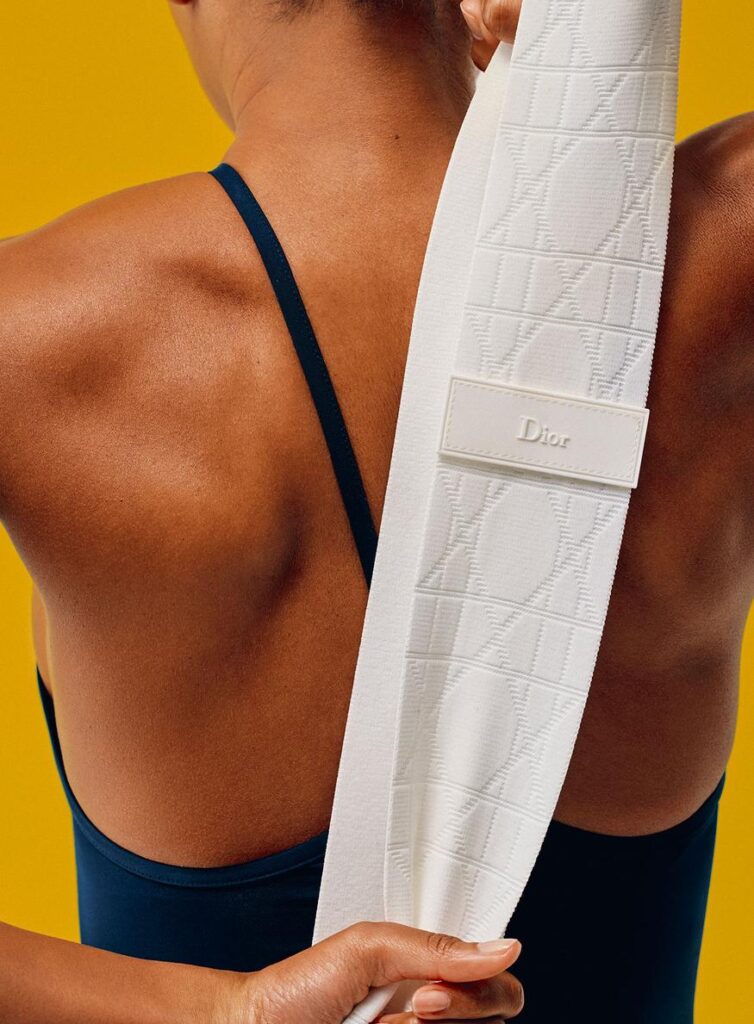
This movement goes beyond beauty. Dior, through Haute Wellness, brings to life several pillars of this new philosophy: movement, sleep, mindfulness, and recovery. Yoga mats, night masks, silk pillowcases, and journals are no longer mere lifestyle accessories; they have become elements of a way of life centered on self-care and support.
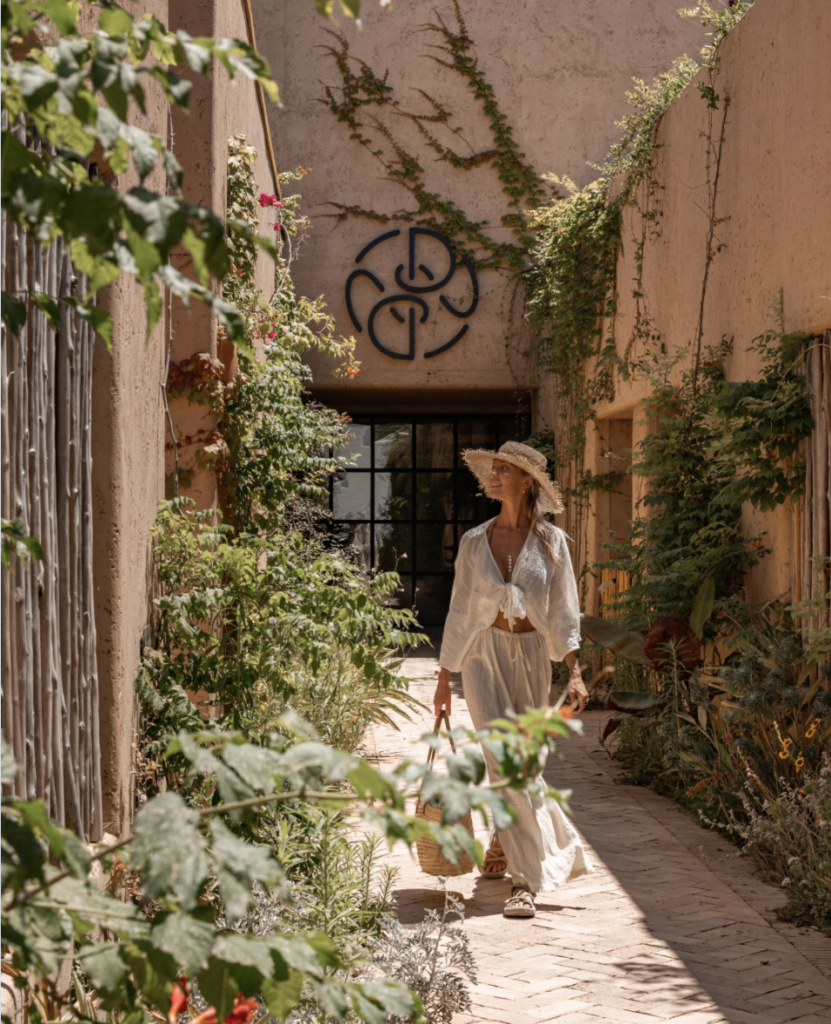
The hospitality industry is undoubtedly the most advanced testing ground for this approach, driven by a clientele that wants to feel transformed upon their return compared to before their departure. The partnership between Six Senses and Rose Bar is not merely an addition to the menu: it has become a platform for lasting transformation, at the intersection of science, hospitality, beauty, fitness, and personalized support. The stay no longer promises merely an escape. It influences sleep, recovery, nutrition, vitality, resilience, and stress management. The hotel becomes less of a brief respite and more of an environment designed to restore the body, energy, and focus.
The true rarity of the future will not be yet another longevity program. It will lie in the ability of brands to guide their customers toward a more mindful relationship with their bodies, their energy, and time. In this new luxury of longevity, value is no longer created solely by what the brand presents. It is created by what it helps each person preserve, reveal, and transform.
Read also > [COLUMN] Innovating without betraying oneself: why luxury must stop trying to prove its modernity
Featured photo : © Maison Galénic