












Even as the World Cup has just kicked off, it is already establishing itself as a tremendous showcase for luxury brands entering a space long reserved for sports equipment manufacturers. With a massive global audience and record commercial revenues, soccer is becoming more than ever a strategic lever for the luxury sector.
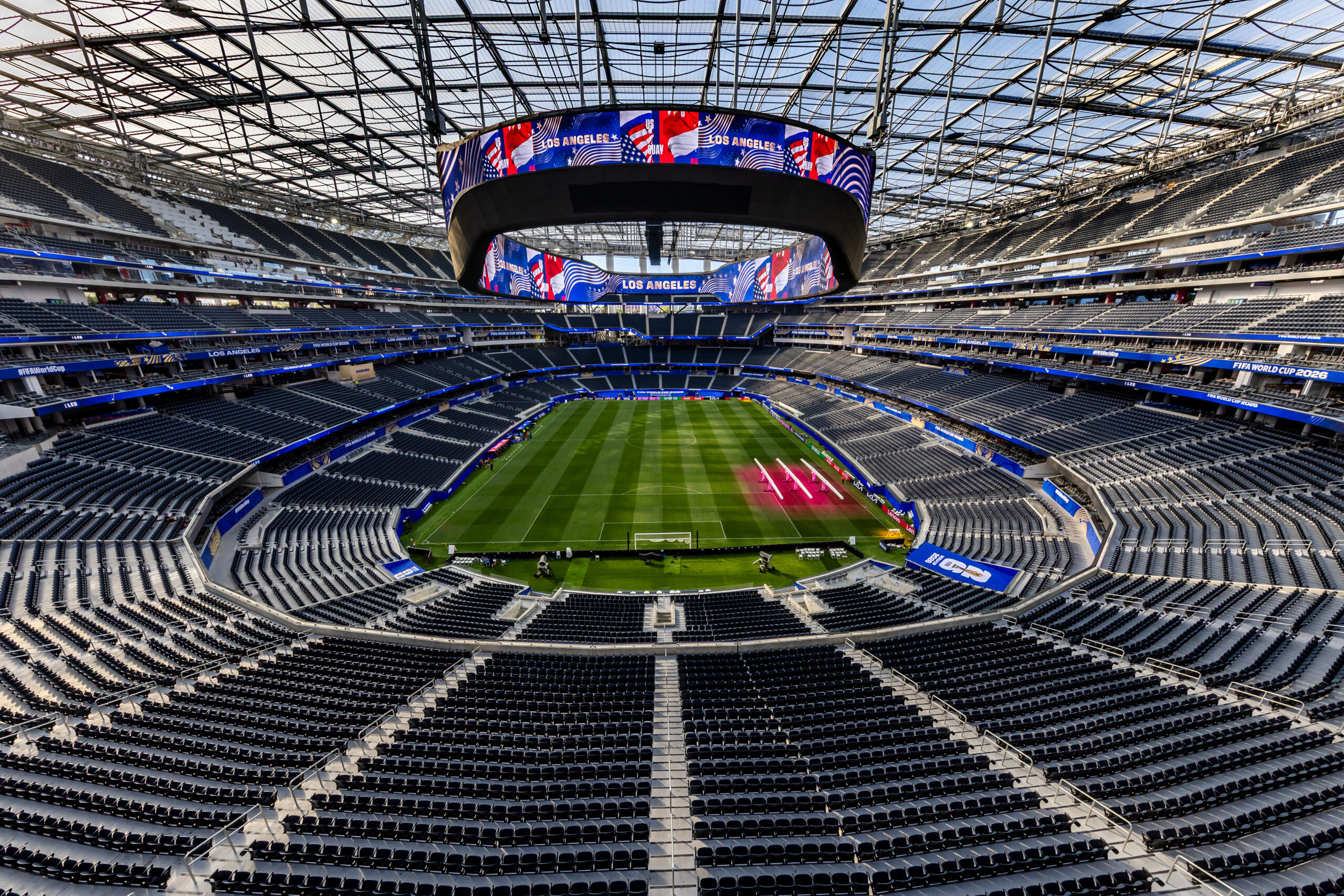
The 2026 World Cup marks an unprecedented shift in scale. Hosted in the United States, Canada, and Mexico, it will bring together 48 national teams for the first time and feature 104 matches, compared to 64 in previous editions. According to estimates reported by Barron’s, FIFA expects nearly $13 billion in revenue over the tournament cycle, representing an increase of approximately 70% compared to the 2022 World Cup. Sponsorship revenue is projected to reach $2.8 billion, while ticket sales are estimated at $3 billion.
For luxury brands, this is obviously a windfall: global visibility over several weeks during one of the most-watched events on the planet, all while simultaneously reaching both long-time luxury consumers and younger generations. A golden opportunity…
Major houses in the colors of soccer
One of the most striking developments as the 2026 World Cup approaches is the massive influx of luxury houses into the official locker rooms of national teams.
In Spain, Loewe has signed a four-year partnership with the Royal Spanish Football Federation. The brand will therefore outfit both the men’s and women’s national teams through the 2030 World Cup.
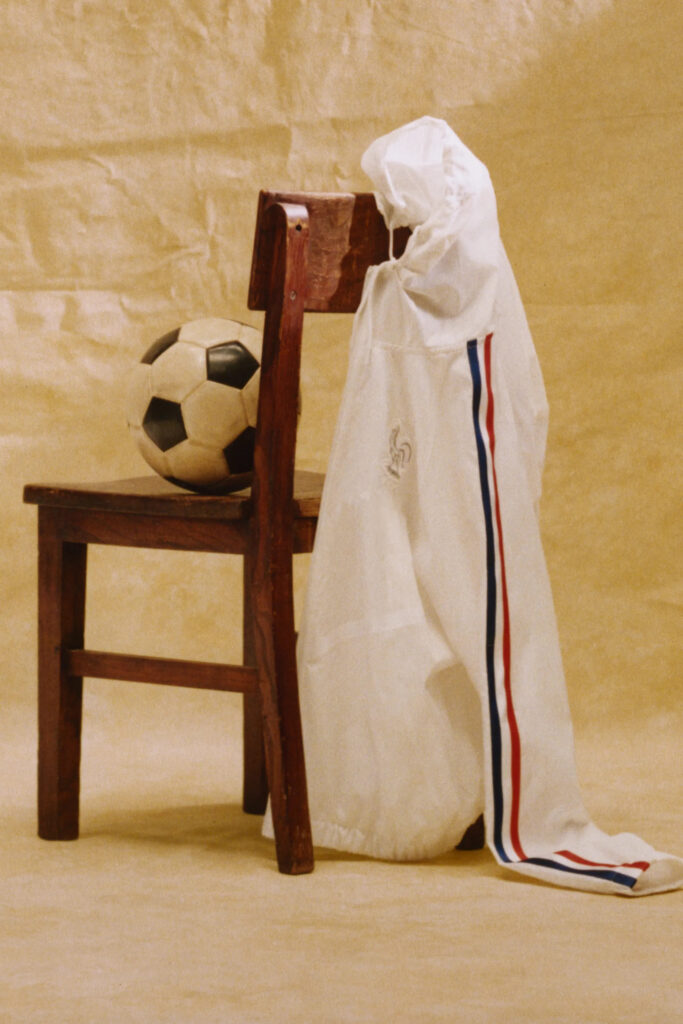
On the French side, Jacquemus was chosen to design the French national team’s pre-match outfits, in collaboration with the French Football Federation and Nike. Unveiled a few days before the start of the tournament, the designer sought to evoke a sense of nostalgia for Les Bleus fans by drawing inspiration from the soccer culture of the 1990s—a legendary decade for the French national team and its victory at the 1998 World Cup.