











Luxury brands are investing heavily in popular culture to remain desirable and contemporary. While this approach may seem natural, it is nonetheless risky: it challenges the very foundations of luxury, which have historically been built on scarcity, distance, and a form of controlled detachment.
By opening up to accessible and widely shared spaces, brands risk undermining what makes them unique. The real question, then, is not whether a brand should engage with popular culture, but whether it can do so without losing itself.
The paradox of contemporary luxury: being seen without being too visible
For decades, luxury was built on discretion—visible but never fully accessible. Today, luxury houses must broaden their audience, particularly among generations who do not spontaneously walk through boutique doors and for whom desirability is built elsewhere: on a screen, in a feed, or at the heart of a shared cultural moment.
The context makes the task even more perilous. After three years of successive price hikes, the luxury sector enters a crisis in 2024 and loses 50 million buyers. The price lever has been exhausted, and brands must find other ways to convince consumers. This is where culture comes into play. Luxury now operates under constant tension, where too much presence trivializes the brand and too much distance renders it invisible—a situation with serious consequences.
Tod’s is a striking example. The Italian house, with its renowned artisanal expertise and unquestionable heritage in leather, has long prioritized absolute discretion. Few cultural collaborations, little presence in contemporary discourse, and a classic, almost static image. The result: a gradual decline, falling sales, and a loss of relevance so severe that the brand ultimately delisted from the stock exchange in August 2024.
Tod’s did not suffer from an excess of visibility. It suffered from no longer existing in the imagination of its future customers.
Culture as a new territory of desirability… under tension
Culture has become a storytelling lever and a space of influence in its own right. It allows brands to go beyond the product to anchor themselves in shared cultural references and broaden their reach. But this dynamic rests on a fundamental tension: while culture belongs to everyone, luxury, by its very nature, belongs to only a few. Engaging with it without caution amounts to diluting its rarity in the masses.
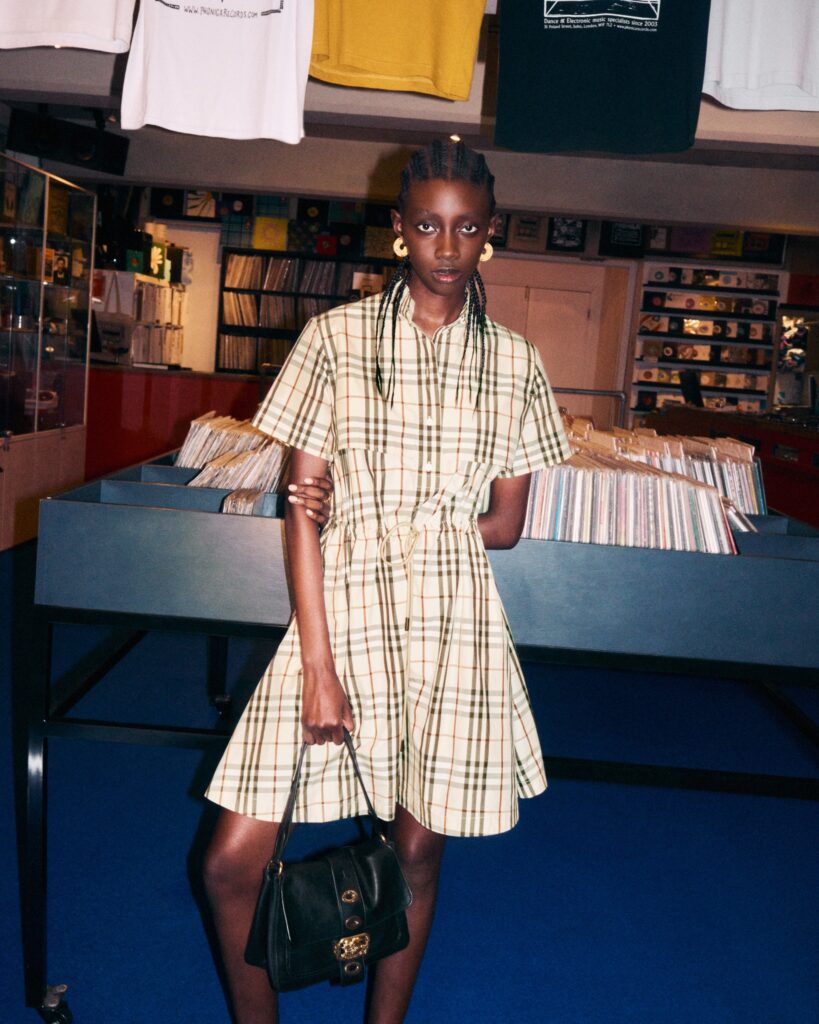
Burberry is the most telling example. In the 2000s, its famous check pattern was adopted by “chav culture” (a subculture of young people from disadvantaged backgrounds, ed.), leading to counterfeits, overexposure, and a loss of control over the brand’s image. To recover, the brand removed the pattern from 90% of its products and repositioned itself. But the pendulum swung too far: in 2023, a shift toward ultra-luxury, with price increases of 30 to 40%, led to a collapse in revenue (down 15%) and operating profit (plummeting 88%). Burberry failed to strike the right balance between cultural accessibility and exclusivity. Too open, it diluted itself. Too closed, it cut itself off from its market.
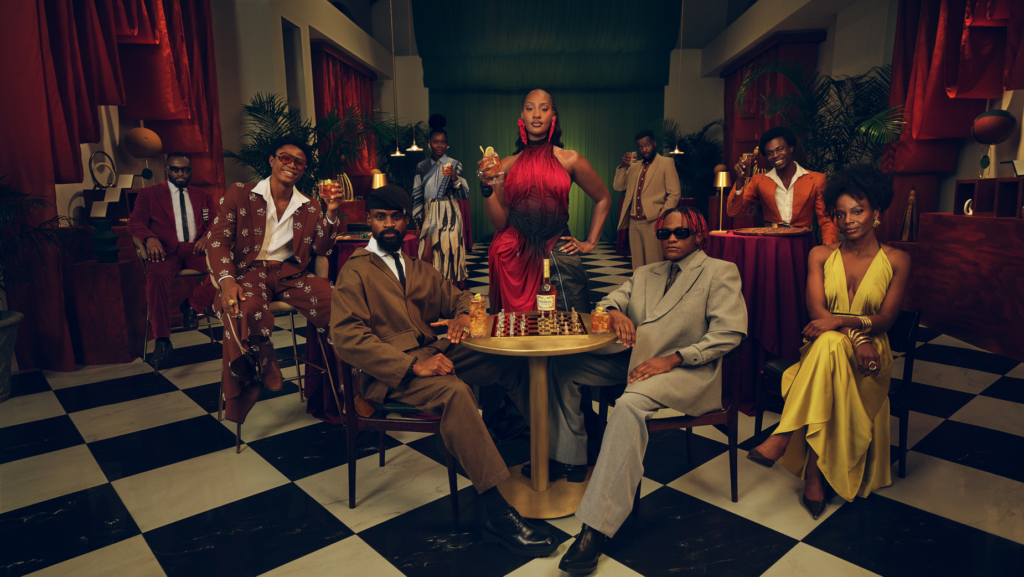
The lesson extends beyond fashion. In the spirits industry, Hennessy has rooted itself in hip-hop and African-American culture, even becoming an official NBA partner in 2020. Yet cognac sales in the United States have plummeted by nearly 40% since 2021, as young consumers turn to premium tequila.
Two cultures, two approaches
Behind this cultural presence lie radically different approaches, which are not equal.
On one hand, an opportunistic culture. Driven by hyper-growth strategies, some groups are multiplying touchpoints: high-profile collaborations by Saint Laurent with major figures in contemporary cinema, immersive experiences by Gucci on Roblox. These initiatives capture attention and reach new audiences. They are genuinely effective, but their sustainability depends on their alignment with the brand. However, when a collaboration is dictated by an algorithm rather than the brand’s DNA, it eventually runs its course.
On the other hand, a legitimate culture. One that doesn’t chase the conversation but creates it. Chanel showcases its heritage through its Métiers d’Art collections and the 19M, a space created by the House to open its artisans’ work to the public. Louis Vuitton, by partnering with Formula 1 for ten years, naturally extends its travel DNA through the Trophy Trunks present on every podium: its visibility is massive, yet rooted in historical legitimacy.

And consumers know the difference. According to an Ogury study conducted in 2025 with over 7,500 respondents, 36% believe that a strong brand heritage alone justifies a higher price. Legitimacy cannot be decreed. It is built and capitalized upon.
Mastering distance: the true driver of desirability
In a saturated environment, quiet luxury emerges as a strategic stance. It is not about renouncing visibility, but about setting conditions for it. The shift is profound: 43% of consumers surveyed in this same Ogury study acknowledge that their perception of luxury has evolved recently. For 25% to 30% of respondents, this uniqueness is a decisive factor in purchasing. What drives purchases is no longer what is visible, but what is felt.
For a luxury brand, the challenge is therefore no longer about where to appear, but about controlling how it is perceived. The real challenge lies in creating a distinct identity that remains true to its heritage while resonating with the times. Luxury has never been about visibility, but about perception, emotion, and meaning. The Houses that forget this will not disappear amid the noise. They will disappear into indifference.
Read also > [COLUMN] Innovating without betraying oneself: why luxury must stop trying to prove its modernity
Featured Photo: Pop star Katy Perry in Stella McCartney at the 2026 Met Gala © DR