



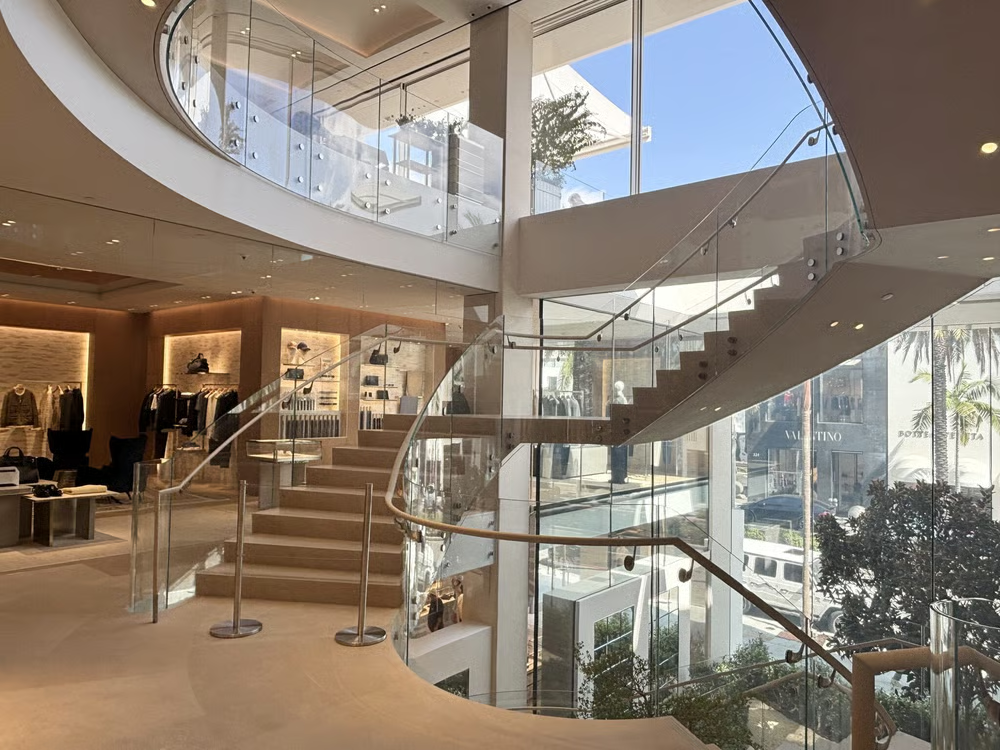







The 2026 Prix Versailles has unveiled its selection of the seven most beautiful “emporiums” in the world. Dior, Tiffany & Co., Cartier, and Saint Laurent are featured alongside RH and Issey Miyake. Beyond the architectural quality of these spaces, this list illustrates a fundamental trend: major luxury houses no longer view their boutiques as mere retail outlets, but as cultural destinations capable of reinforcing their image, extending their brand universe, and attracting an international clientele.
The store becomes a brand manifesto
Established in 2015 under the auspices of UNESCO, the Versailles Prize annually recognizes outstanding architectural achievements in the fields of retail, hospitality, dining, and museums. For the “Emporiums” category, the jury considers not only aesthetics but also how a space fosters a dialogue between culture, innovation, sustainability, and brand identity.
This year’s shortlist includes House of Dior in Beijing, designed by Christian de Portzamparc; Tiffany & Co. Ginza in Tokyo; Cartier in Miami’s Design District; Saint Laurent Montaigne and RH Champs-Élysées in Paris; House of Dior in Beverly Hills; and the Issey Miyake flagship store in New York.
Architecture in the Service of the Experience
This new generation of boutiques reflects a profound evolution in luxury retail. Faced with the rise of online shopping, luxury houses are investing in spaces where the experience becomes just as important as the product.
Restaurants, cafés, exhibitions, gardens, panoramic terraces, and art installations now enhance the visitor experience. The boutique is becoming a place where people spend time, discover a creative world, and where the act of purchasing is no longer the sole purpose. In Beijing, Dior exhibits contemporary artworks in a sculptural building; in Tokyo, Tiffany & Co. transforms its flagship store into an architectural showcase; in Paris, RH combines an art gallery, a library, and a restaurant at its Champs-Élysées location.
A Trend Taking Hold in the Luxury Sector
This approach is part of a broader strategy observed in recent years. Louis Vuitton has opened cafés and restaurants in several flagship stores; Prada and Gucci are expanding their cultural spaces; while Cartier and Hermès regularly commission renowned architects to design their new locations.
The 2026 selection for the Prix Versailles thus confirms that the physical store continues to play a central role in the luxury sector. More than just a distribution channel, it has become a storytelling tool, a medium for architectural expression, and a driver of tourist appeal. For luxury houses, the flagship store is no longer merely a real estate investment: it plays a key role in building brand value and desirability on a global scale.
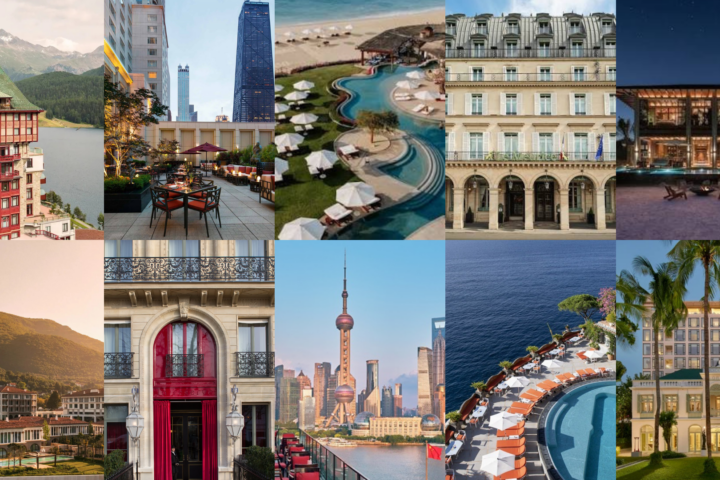
Read also > The Foundation, or the rise of the “All-in-One” hotel that is redefining parisian hospitality
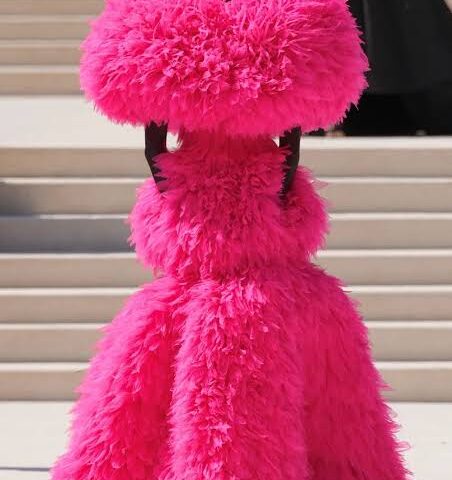
Featured Photo : The House of Dior Beverly Hills © Dior