




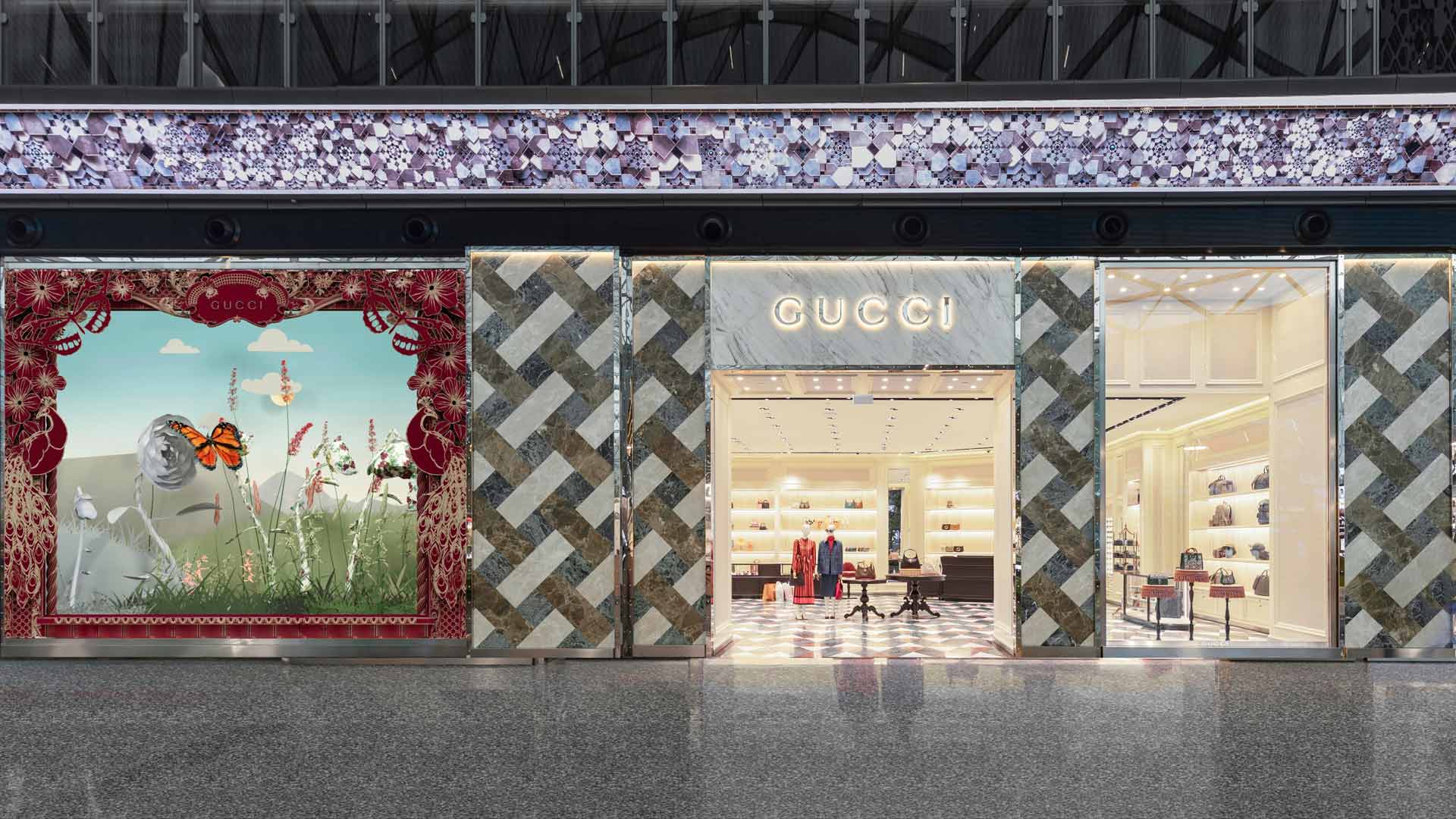









Kering and the Chalhoub Group, a long-standing local distributor of prestigious brands in the Middle East, have already announced measures to restrict their activities in the region. But other players in the luxury sector are also likely to suffer from the conflict initiated by Israel, the United States, and Iran, which is now engulfing several of their neighbors.
The luxury sector could have done without the current conflict in the Middle East…
As the conflict escalates and engulfs the entire region, many players in the sector are seeing their previously optimistic projections for 2026 fade in the short and medium term.
A buoyant market in 2025
As a reminder, according to Bain & Company, the region was ranked as one of the most promising markets for luxury goods in 2025, with spending growth of 4% to 6%, driven by both strong local demand and rising tourism, particularly in Dubai and Abu Dhabi. The region, and particularly the United Arab Emirates and Saudi Arabia, attracted a record number of new millionaires in 2025, supporting demand for luxury goods, especially beauty products, watches, jewelry, and fashion accessories.

Read also > War in Iran: what are the consequences for the global economy?
Featured photo: © Hamad International Airport