












The Italian fashion house Valentino had a particularly difficult year in 2025. Faced with a global slowdown in the luxury sector, the brand saw its revenue and profitability decline sharply, while its debt continued to rise. This situation comes as Kering, which already holds a 30% stake, remains poised to take full control of the brand.
Fiscal Year 2025 Marked by a Sharp Decline in Business
Valentino reported revenue of 1.12 billion euros in 2025, down 15% from the previous fiscal year. Its EBITDA, meanwhile, plummeted by 41% to 174 million euros, while the group shifted from an operating profit of 31 million euros in 2024 to an operating loss of 103 million euros in 2025. This underperformance comes amid a widespread slowdown in the luxury market, particularly in Asia and Japan—two regions that have historically been important for the Italian fashion house.
Among the hardest-hit categories are leather goods and footwear, while fragrances and costume jewelry have shown greater resilience.
Debt Continues to Rise
Operational difficulties have also weighed on the group’s financial structure. Valentino’s net debt reached 1.13 billion euros at the end of fiscal year 2025, compared to 1.08 billion a year earlier. Excluding accounting effects related to lease agreements, it stands at 472 million euros.
In response to this situation, the major shareholders—the Qatari fund Mayhoola (which owns 70%) and Kering—had already injected 100 million euros into the company in late 2025 to strengthen its financial position following tensions over certain bank commitments. Additional financial support is planned for 2026.
Kering Remains in a Privileged Observer Position
Kering is closely monitoring these results. The French group acquired a 30% stake in Valentino in 2023 for 1.7 billion euros, with an option allowing it to take full control by 2029.
For François-Henri Pinault, Valentino represents a strategic asset intended to reduce Kering’s dependence on Gucci, whose performance remains under pressure. But the decline in the Roman fashion house’s financial results serves as a reminder that even the biggest names in luxury are not immune to the sector’s current slowdown. In this context, Valentino will now need to balance cost control, image preservation, and a commercial turnaround to get back on the path to growth.
Read also > Capri Holdings prepares for a return to growth despite a decline in the 2025–2026 fiscal year
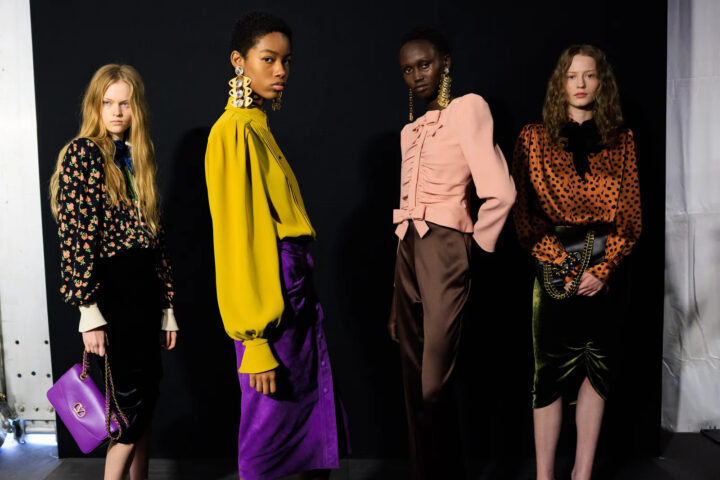
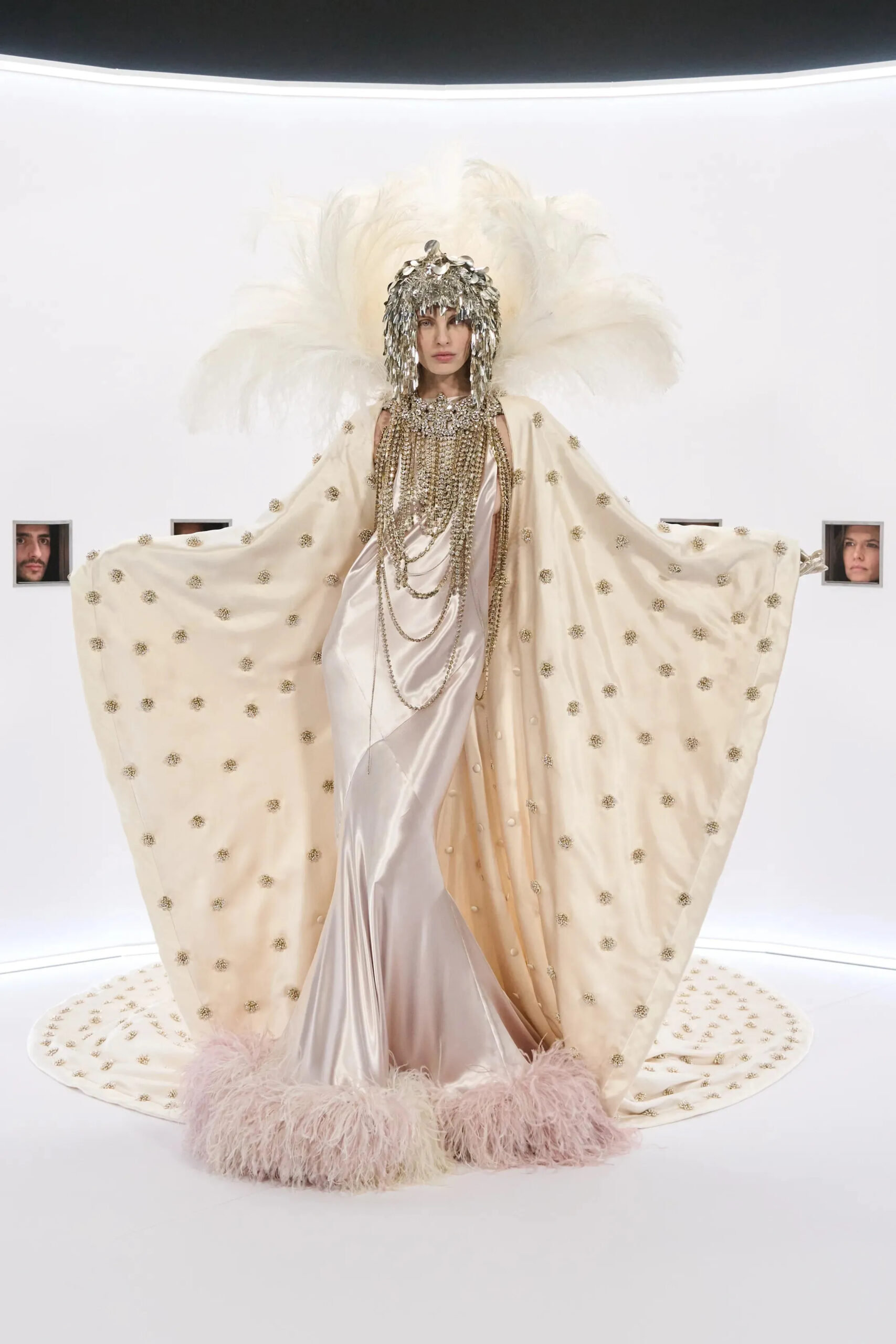
Featured photo: Spring/Summer 2026 Fashion Show – © Valentino