




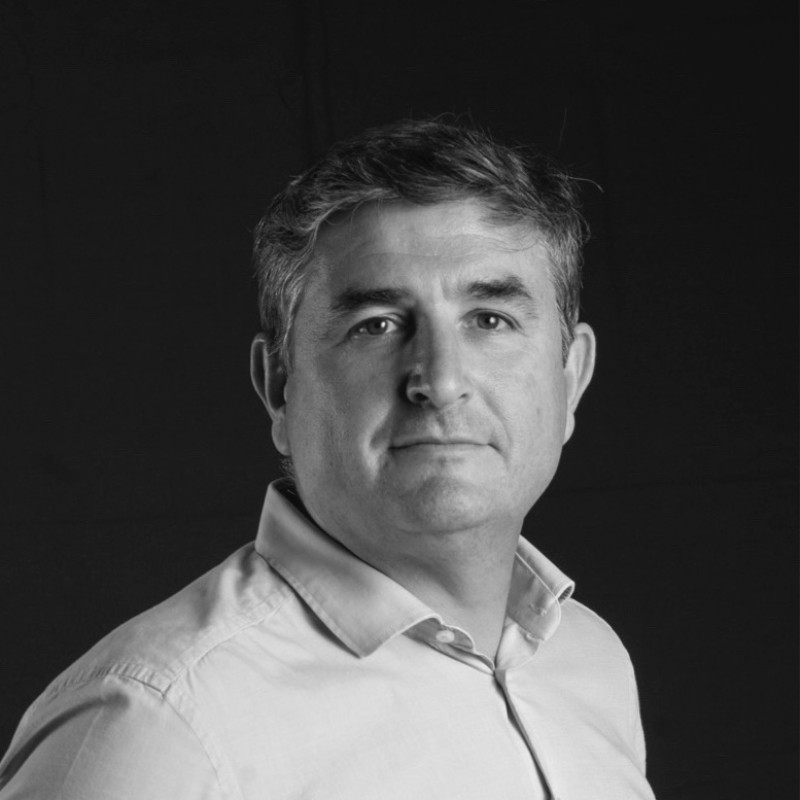




Stéphane Portier’s appointment as head of Moët Hennessy France comes at a difficult time for LVMH’s wine and spirits division. Impacted in particular by Chinese and American customs duties, it weighed heavily on the luxury group’s results in 2025.
A new leader for LVMH’s Wines and Spirits division.
In early November, Stéphane Portier replaced Laure Baume as CEO of Moët Hennessy France. The information, which was not officially announced, was revealed by the media outlet Meet & Match and confirmed by the company’s official records.
Stéphane Portier will report to Jean-Jacques Guiony, CEO of Moët Hennessy since February 2025, and will be assisted by Alexandre Arnault, Deputy CEO of the division.
A long career in beauty, then wines and spirits
With dual degrees in management from the Institut Supérieur de Commerce de Paris and the Institut Français de la Mode (IFM), Stéphane Portier has been working in the world of wines and spirits and within the LVMH group since 2013. After serving as Director of Development in China, then Asia Pacific and Global Retail at Hennessy, he joined Moët Hennessy in 2018 as Director of Global Distribution Development and, from 2021, as Director of Partnerships for Rosés de Provence. In early 2023, he became Commercial Director CP (professional channel) at Moët Hennessy Diageo France.
Before this shift to wines and spirits, Stéphane Portier spent ten years in the beauty market at L’Oréal in international marketing and then in Travel Retail in the EMEA region, followed by almost four years at Payot as international director.
Consolidating the fundamentals… in a difficult context
According to Meet & Match, “in an environment of normalizing demand and increased pressure on channels,” this appointment, “supported by Laure Baume and Alexandre Arnault,” “aims to consolidate the fundamentals: commercial discipline, clarity for partners, team cohesion, and preservation of the Houses’ influence” and “sends a signal of stability and rigor, positioning France as a strategic base where value is now built through quality of execution as much as through growth.”
This announcement comes at a difficult time for Moët Hennessy.
Wines and spirits were LVMH’s worst-performing division in 2025, with a 9% drop (on a reported basis) in sales to €20.36 billion and a 25% plunge in operating profit to €1 billion. The group thus confirmed “the slowdown in demand observed since 2023 after several exceptional years.” LVMH CEO Bernard Arnault highlighted the “difficult context, particularly for cognac, which is affected in China and the United States by customs duties that have exceeded our forecasts,” before indicating that he would try “to reach an agreement in China.” He also mentioned a “slightly less buoyant” champagne market and very good growth in rosé wines.
Agreement signed in Champagne
On April 30, Jean-Jacques Guiony and Alexandre Arnault, referring to a “very difficult” situation, unveiled to staff a plan to reduce the workforce of Moët Hennessy (Moët & Chandon, Ruinart, Veuve Clicquot, Krug, and Mercier champagnes) by 13% and to concentrate marketing budgets on the world’s biggest brands.
On January 15, tensions were running high at the group’s champagne houses. Around 550 employees at Moët & Chandon, Veuve Clicquot, Krug, Mercier, and Ruinart walked off the job to protest the elimination of their profit-sharing bonuses in 2025.
However, an agreement on the payment of a bonus, “amounting to a minimum of €3,300 per employee,” was finally signed, according to a statement issued by the CGT Moët & Chandon Ruinart union. This outcome put an end to plans for a new protest rally scheduled for Tuesday in Paris…
Read also > Champagne: 550 employees on strike at LVMH
Featured photo: © Moët-Hennessy