











Long overshadowed by the four “precious” stones, new gemstones now adorn the most beautiful creations in fine jewelry with their light. Rarity, creativity, soaring auction prices: the colored stone market is driven by daring designers and knowledgeable collectors. Emmanuel Piat, a third-generation gem cutter and president of the French Gemmology Association, has been observing the evolution of the international market for over 30 years.
LUXUS PLUS – How many varieties of new gemstones are there in the world?
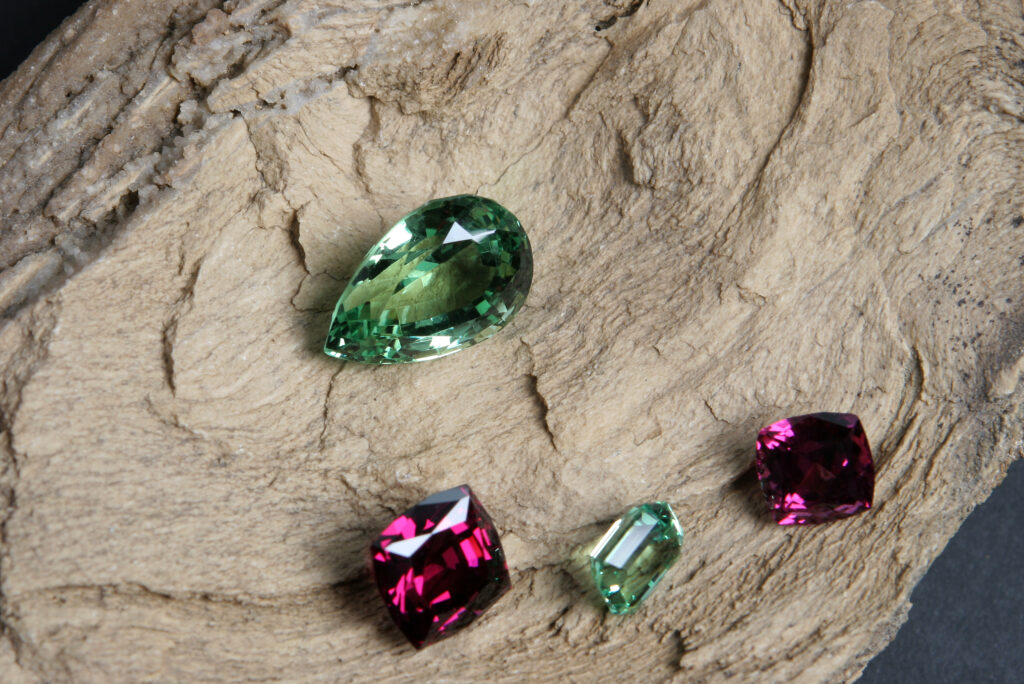
Emmanuel Piat: First, I would like to talk about how stones are classified and defined before moving on to gemstones. It is important to note that the term “precious stone” differs from one culture to another. In India, for example, the stones considered precious are much more numerous and completely different. This designation is therefore essentially Western. When it comes to gemstones, we are in the same boat. Today, we no longer necessarily distinguish between new gemstones and precious stones; we simply call them gems (the term “gem” includes all stones and pearls, editor’s note). The CIBJO Blue Book, which is the reference work and lists them all, has 55 pages… which is more than 400 gems. Not all of them are used in jewelry, either because they are not very beautiful or because they are too rare or too fragile.
LUXUS PLUS – Are new gemstones still being discovered?
Emmanuel Piat: We list new ones every year, but for them to be used in jewelry, there must be a criterion of availability. If they are too rare, such as pink zoisite or morganite in its most beautiful shades, close to pink sapphire for example, they will be of interest to collectors but will be difficult to use in jewelry, simply because they are not stones that can be found in sufficient quantities to create a collection.
LUXUS PLUS: Given your family’s long history in the gemstone business, how have you seen jewelers’ demand for new gemstones evolve in relation to the four precious stones?
The jeweler Tiffany was very innovative in this area, as it helped to raise awareness of tanzanite, morganite, kunzite, and tsavorite. Tiffany was very interested in minerals and all kinds of stones. This is also what led my father, Daniel Piat, to create the French Gemmology Association (AFG) in 1961, to promote stones that were considered “non-precious” at the time, such as garnets and tourmalines, and to get jewelers interested in them. At that time, in the mid-20th century, customers always asked for the same type of stones, in a very classic way. For example, purple sapphires were in low demand, even though they already existed. The whole spirit of the AFG was to develop a market for these stones, which were beautiful, new, and could open up innovative jewelry designs.
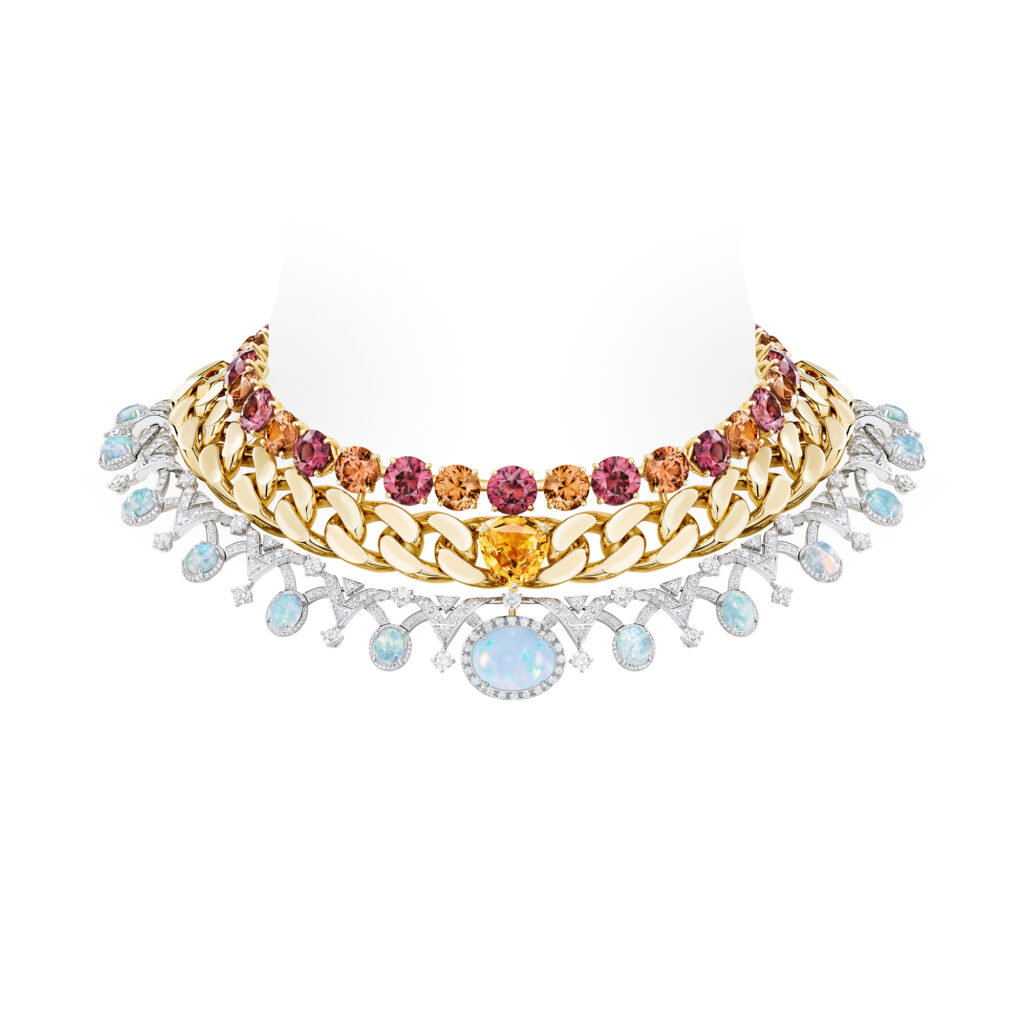
I would also say that the new players, the new designers who did not come from the inner circle, did not hesitate to venture into this new territory of new gemstones. Louis Vuitton creates beautiful pieces of fine jewelry almost entirely set with these stones accompanied by diamonds. Look at Victoire de Castellane, who came from the world of fashion and founded Dior Joaillerie. She took a real risk in using new gemstones with a lot of character. These stones were not yet widely used by competitors and were also less expensive, which brings us back to the issue of budget. The lack of budget allowed young designers to develop real creativity and get noticed. I also take the example of JAR, or Boivin before him, who looked only at the beauty of the gems, never at the price or value.
LUXUS PLUS: The prices of these stones can be very high, reaching the value of precious stones. How can this be justified?
We have to take into account changes in demand and fashion trends. Red spinel was initially prized for its resemblance to ruby, and its value was no more than a tenth of that of this precious stone. Now, it is sought after precisely for the slight difference in color that distinguishes it from ruby, with its very particular crystal. Resemblance is no longer sought after, and this is how new gemstones have gained their prestige. They are sometimes referred to as the new precious stones. Paraiba tourmaline and cobalt blue spinel have become highly sought-after stones, absolutely magnificent and rare. Take a look at Christie’s latest sales, where Paraiba tourmalines and an indigolite tourmaline fetched astronomical prices (Christie’s December 2025 sale, where the stones mentioned exceeded their estimates by up to 10 and 20 times, editor’s note). The indigolite tourmaline had an exceptional hue, a very bright blue-green. Unfortunately, I was unable to bid until the end, but I wouldn’t be surprised to see this stone return to the market in 5 or 6 years at a much higher price.
Today, tourmalines are very popular because the variety of colors is absolutely fantastic, as are spessartite garnet and mandarin garnet, with their joyful, vibrant colors that cannot be found anywhere else. But the colored stone market will always remain a niche market. Matching stones is always complicated because we are talking about small quantities each time, and obtaining many in exactly the same shade is almost impossible.
LUXUS PLUS: Tell us about your exceptional encounters with stones
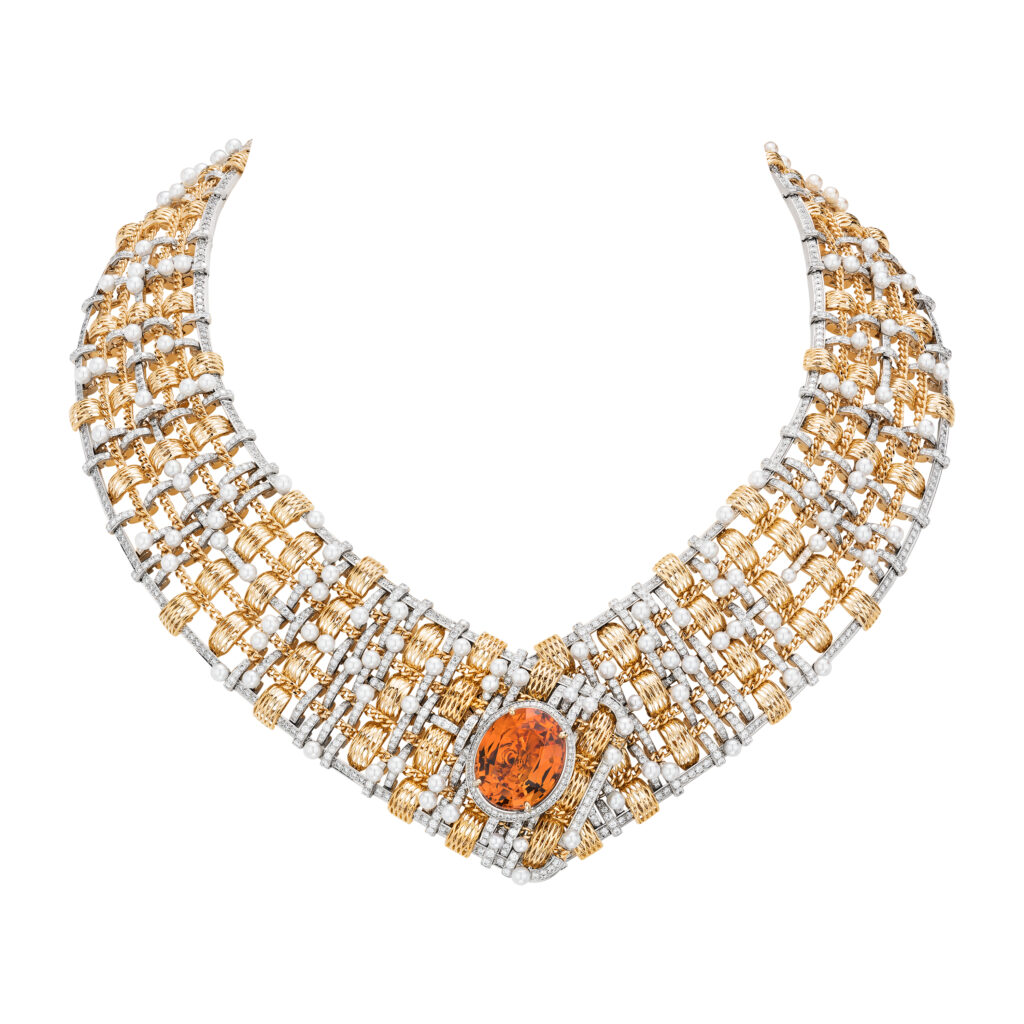
Emmanuel Piat: There have been so many, it’s difficult! If we’re talking only about new gemstones, Louis Vuitton made an entire necklace with zircons, which I found remarkable, very daring. I also remember Chanel’s Tweed d’Or necklace set with a sublime imperial topaz. Bvlgari and Pomellato are true specialists in new gemstones, their collections are magnificent. And if you look at the pieces presented at the Grand Prix de Haute Joaillerie in Monaco, there were also many new gemstones alongside the precious stones.
LUXUS PLUS: How are responsibility standards applied in the sourcing of colored stones?
Emmanuel Piat: Maison Piat was the first global supplier of colored stones to be RJC certified. Ethics is an essential issue, one that I will always defend. But we must recognize that the RJC criteria are sometimes difficult to apply. For example, in Madagascar, if a miner declares and reveals the location where he has found a vein, the very next day the area will be invaded and his vein will probably be looted. The size of the vein, which is often small, does not allow him to invest in a completely secure operation. He will even have to protect himself and his family in order to preserve his stock of stones already extracted. My view of ethics is that we must also protect these small miners, who are often just farmers, people with low incomes. Finding one or a few exceptional stones is the chance of a lifetime for them… We must not deprive them of these riches that the Earth gives us. In other cases, the RJC standards are becoming so drastic that they will soon no longer be applicable and could even push some unscrupulous actors into fraud or corruption in order to comply with its requirements. In some countries, the documents required by the RJC simply do not exist at the administrative level. My belief is that we must strive to comply with these standards as closely as possible and work to change local practices to bring them into line, while maintaining a realistic view of the situation, which differs from one country to another.
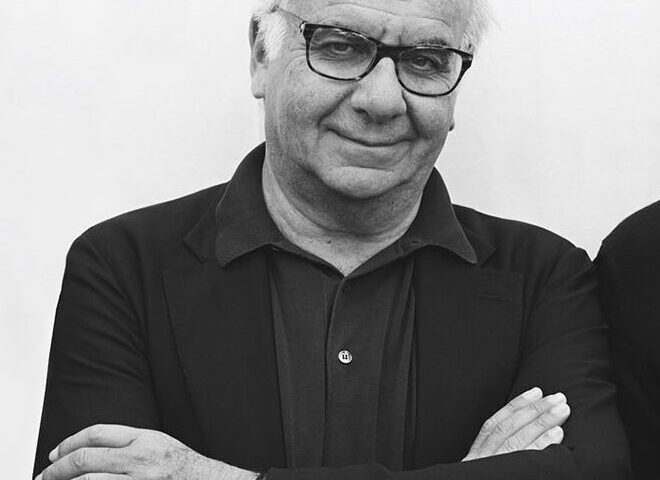
Emmanuel Piat embodies this generation of gemologists who work to reveal the raw beauty of minerals while supporting the evolution of a market that has become more conscious. But the world of colored stones remains above all a universe of passion and emotion, where each gem reveals a light that is unique to it.
Read also > [INTERVIEW] Chaumet embraces modernity with Charles Leung
Featured photo: Emmanuel Piat