













After several months of optimism surrounding a global luxury market rebound, the escalation of the conflict in the Middle East has abruptly halted the sector’s recovery in the first quarter of 2026 : with a drop in tourism, slowing sales in the Gulf, and market concerns, the luxury sector is struggling to regain momentum.
The luxury sector had hoped to finally turn the page on two years of slowdown. Since the end of the post-COVID boom and the waning of Chinese demand, European giants had been increasingly relying on the Middle East to sustain their growth. Dubai, Abu Dhabi, and Riyadh had become strategic markets for groups like LVMH, Hermès, and Kering, thanks to a wealthy local clientele and ever-growing international tourism.
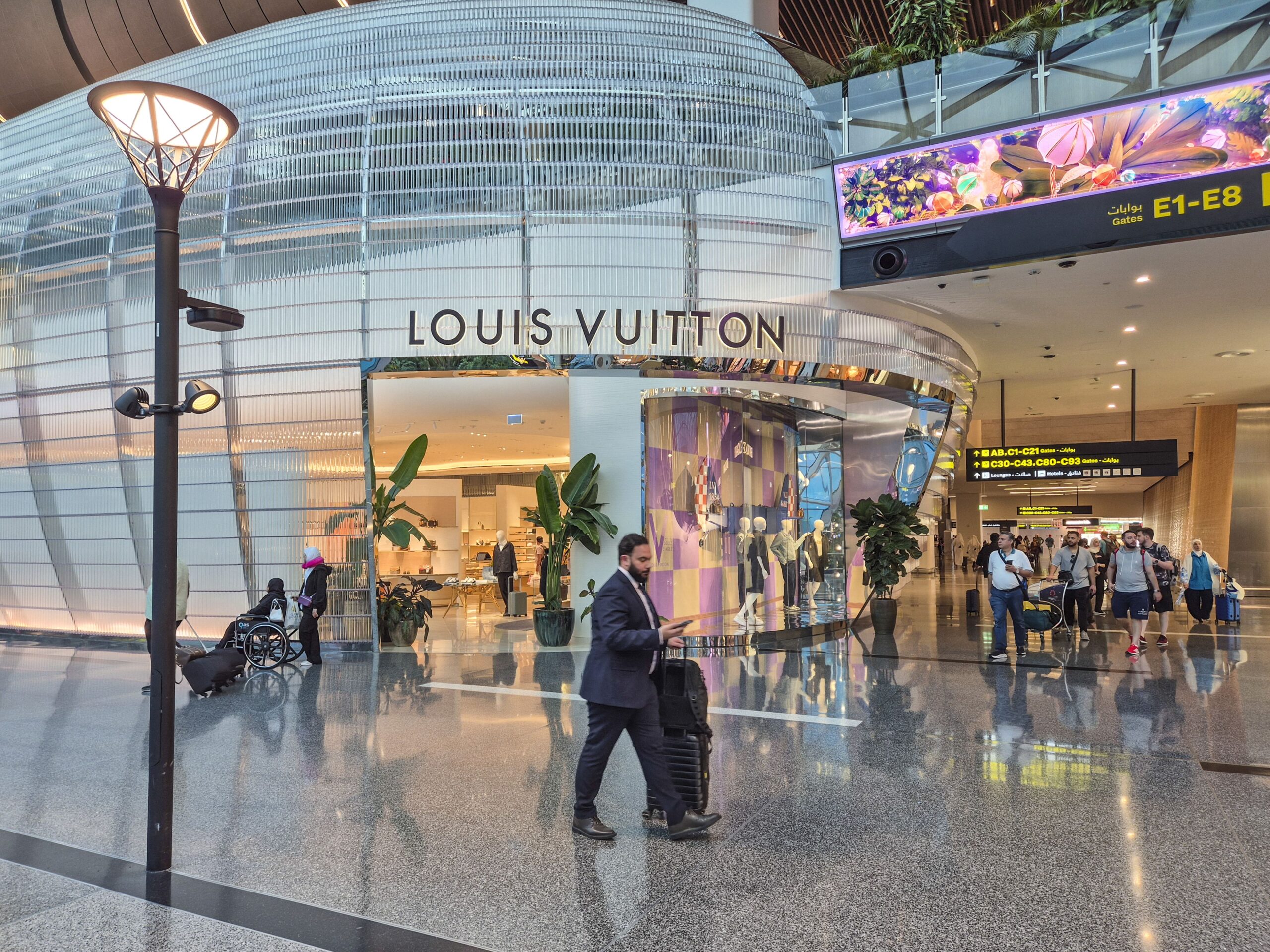
But the escalation of the conflict between Iran, Israel, and the United States abruptly halted this momentum in the first quarter of the year. Within weeks, shopping malls in the Gulf saw foot traffic plummet, while tourist flows to Europe began to slow. For an industry heavily reliant on travel spending, the impact was immediate.
Major groups in trouble
As the first major group to release its quarterly results, LVMH acknowledged that the war in the Middle East had cut its growth by about one percentage point in the first quarter. The French group recorded organic growth limited to 1%, slightly below market expectations. Sales in some Dubai shopping malls are reported to have fallen by 30% to 50% since the start of the conflict.

Read also > The first consequences of the war in the Middle East are becoming apparent
Featured photo : © Getty Images