









In a polarized world and a turbulent sector, customer experience is more important than ever. And to pamper their best customers, major luxury brands are quick to organize exclusive, intimate dinners in increasingly unusual locations. What if this were the new luxury, that of surprise and conviviality at a time when sociability and commensality (the act of sharing a single meal with a whole table) are lacking?
Our recent LUXpérience(s) event has once again demonstrated that the product, although still holding its own, is increasingly being dethroned by demands for immersive experiences, particularly from younger generations. In other words, an intangible and immersive asset, far from materialism, which, even if you don’t own it outright, can be experienced and shared.
Among the tools used by luxury brands to build customer loyalty, branded dinners, although widespread for many years, have gained in importance and visibility.
In this era of social media dominance and following in the footsteps of a few pioneers, e-commerce specialists such as Farfetch and Mytheresa, more and more brands in fashion, jewelry, and beauty are organizing large dinners to thank their best customers or VIPs.
This phenomenon is all the more natural for luxury brands outside the restaurant world, as most of them began opening their own restaurants in the early 2010s. Even Zara, heavily inspired by the luxury world, could find nothing better than a festive 2025 campaign entitled “Le Dîner.”
The stage is set
More than just a corporate meal, a brand dinner should be seen as a theatrical performance in which the customer, as a privileged guest, takes part in an adventure in which they are the hero and the brand is their devoted host.

Read also > The art of living, a popular extension of the luxury sector
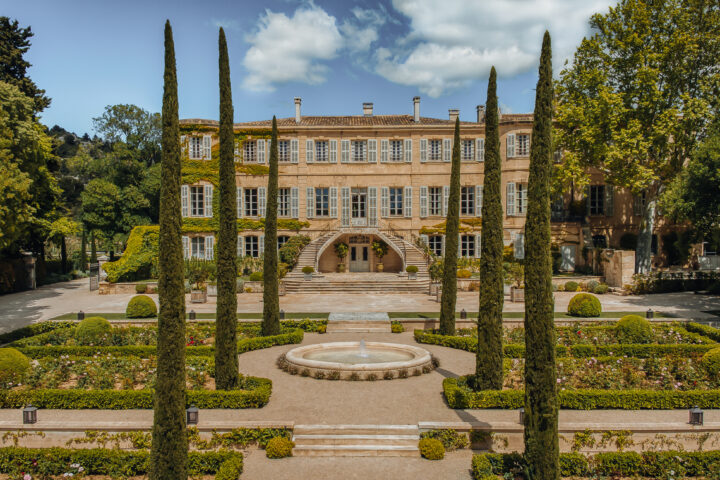
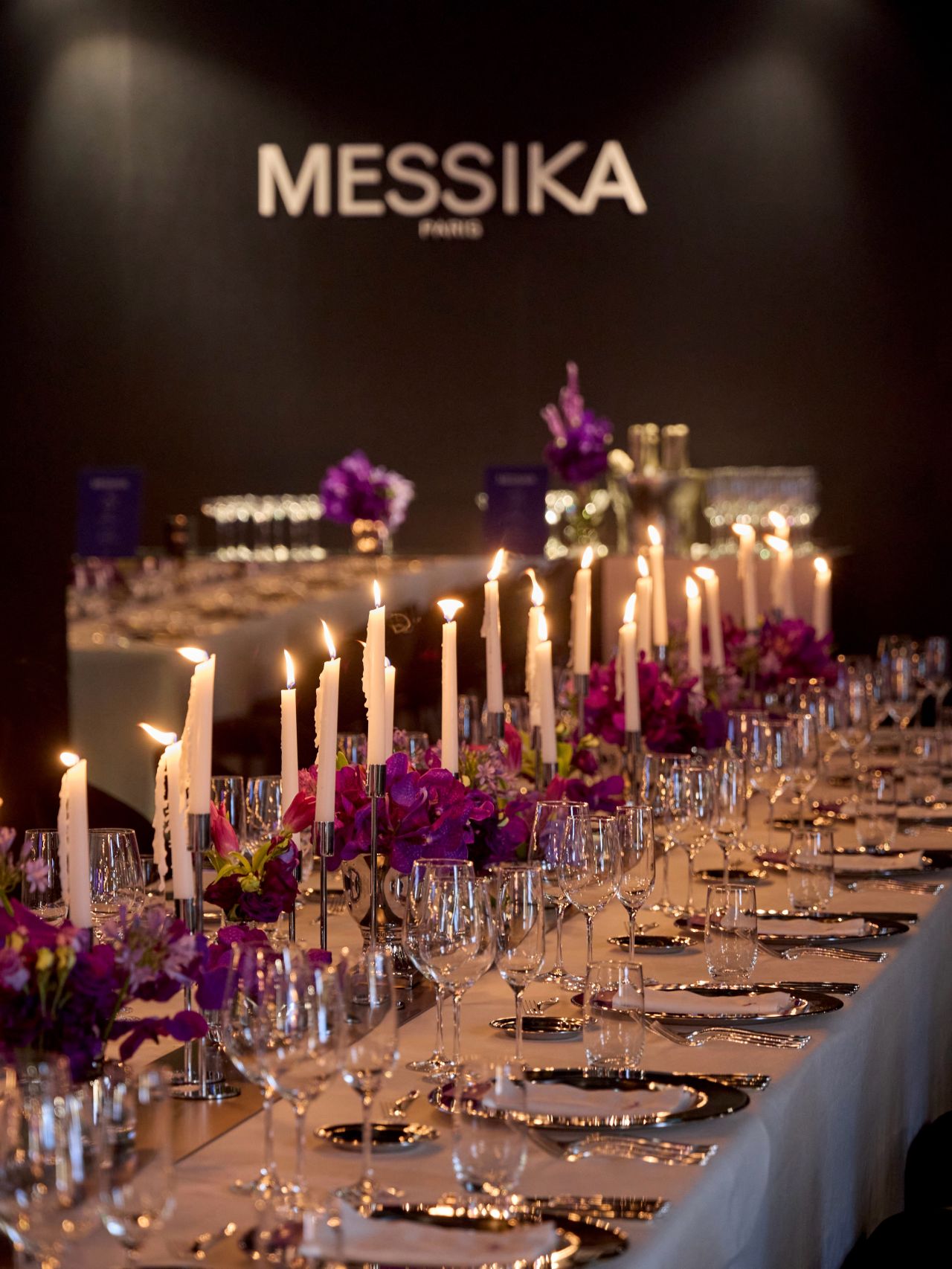
Featured photo: Presentation dinner for the High Jewelry collections in Tokyo © Messika