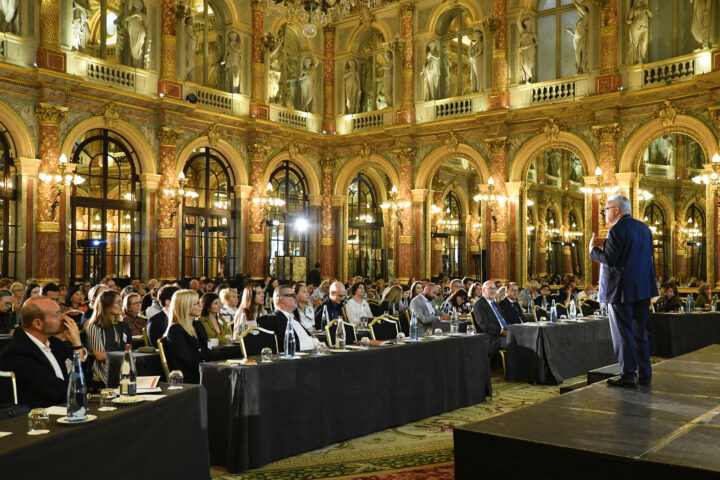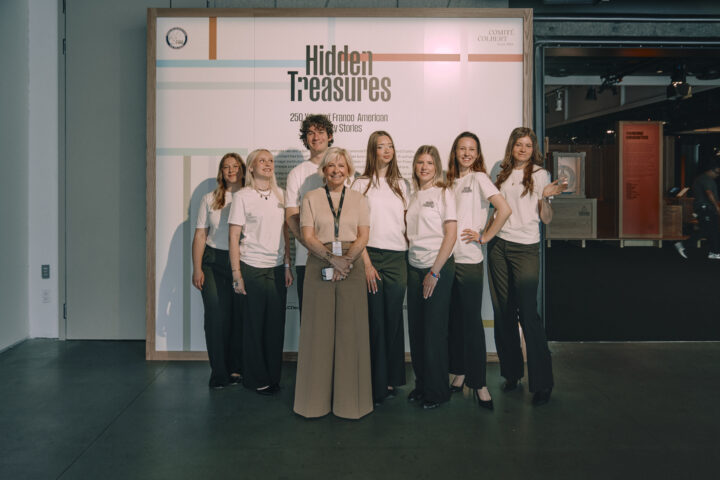





With more than 63,000 visitors this year, Wine Paris has confirmed its role as a barometer for the sector. The international trade show was held from February 9 to 11 at Porte de Versailles, showcasing the latest trends in the world of wines, spirits, and now non-alcoholic beverages. Luxus Plus, in partnership with the agency Prélude Paris, was there. Here is our feedback.
Divided into three interconnected areas, the event attracted eight new countries (including Croatia, the Czech Republic, New Zealand, and Germany) for its seventh edition, bringing the total to 63 countries and 6,500 exhibitors.
The 2026 edition focused on the theme of “The Perfection of Pairings,”, the subject of the latest print issue of Luxus Magazine. The President of the French Republic himself attended the event, receiving a cuvée named “For Sure.” Beyond the figures, these are signals that draw attention to the challenges facing wines and spirits, in particular the decline in alcohol consumption and new consumption habits.
Champagne: between heritage and modernity
The ultimate festive drink, champagne occupies an essential place in the world of wine, with increasing tension between preserving heritage and reinventing itself.
The scenography dedicated to the world of champagne continues to fascinate. Cosy lounges, elegant bars and tasting areas provide the setting for discussions and tastings.
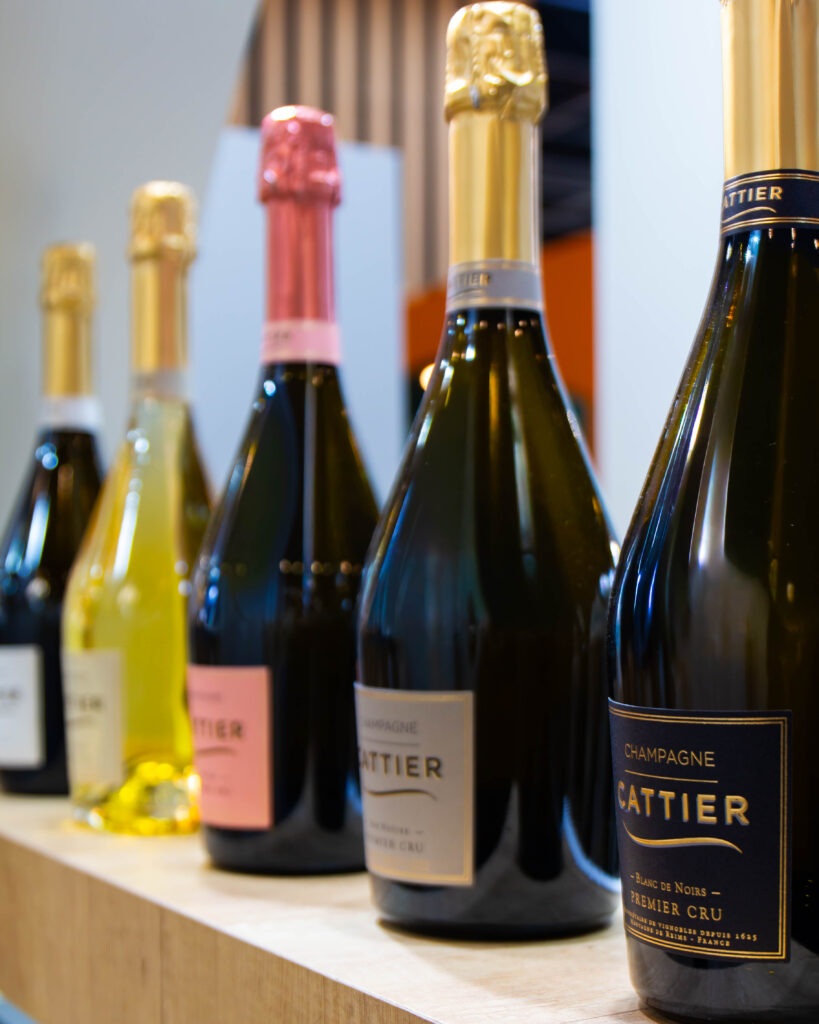
We interviewed several houses about the concept of “One cuvée – One story,” such as Piper-Heidsieck and its Blanc de Noirs, which focuses on Pinot Noir; Champagne Palmer & Co, which presented a Blanc de Blancs made from Chardonnay grapes from the Montagne de Reims; and Champagne Lanson, which highlighted its historical expertise in blending rosé with its Rosé Création. Champagne Cattier entrusted its cuvée to Raphaël L’Aventure, who painted 400 bottles, each one unique, to mark the House’s 400th anniversary. Finally, Rare Champagne presented its prestige cuvée, nicknamed “L’Ode à la Joie” (Ode to Joy), in reference to the poem by Friedrich Schiller, a contemporary of Marie-Antoinette, for whom Piper-Heidsieck’s (now Rare Champagne) first prestige cuvée was created.
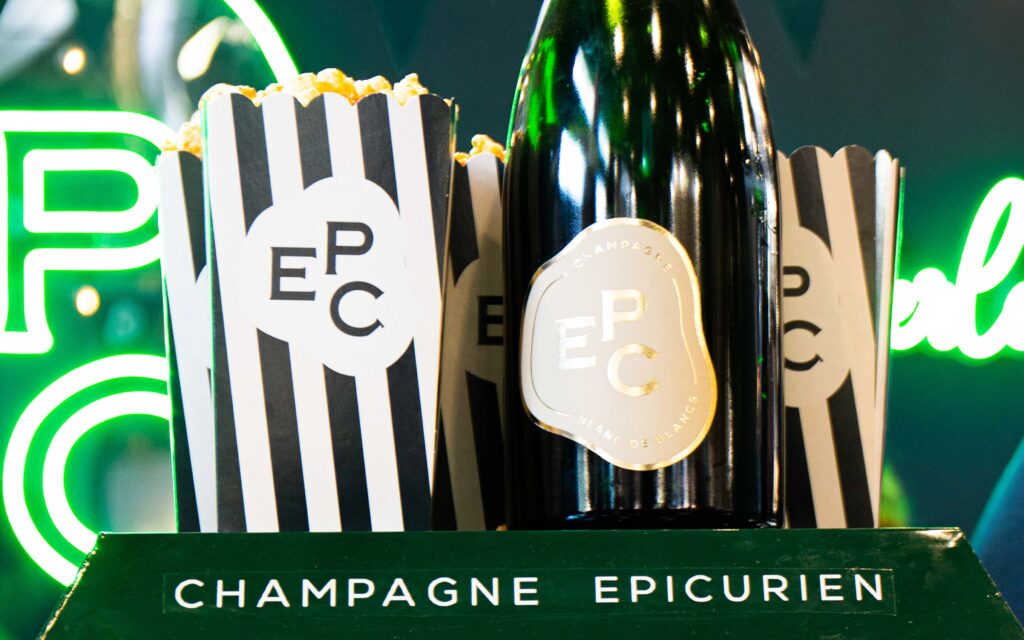
On another note, Champagne EPC has been shaking things up for several years now, working with winegrowers to ensure the traceability of its terroirs. For its display at Wine Paris, the brand stood out with a funfair theme, complete with popcorn, neon lights, and a Ferris wheel, promoting itself as a “Champagne for epicureans.”
Between heritage, promoting the terroir, and highlighting choice grape varieties, champagne takes us on a journey before we even talk about the product.
Rosé and Provençal aesthetics
As for rosés, the stands evoked the Mediterranean, with natural materials, plant decorations, and sunny tones.
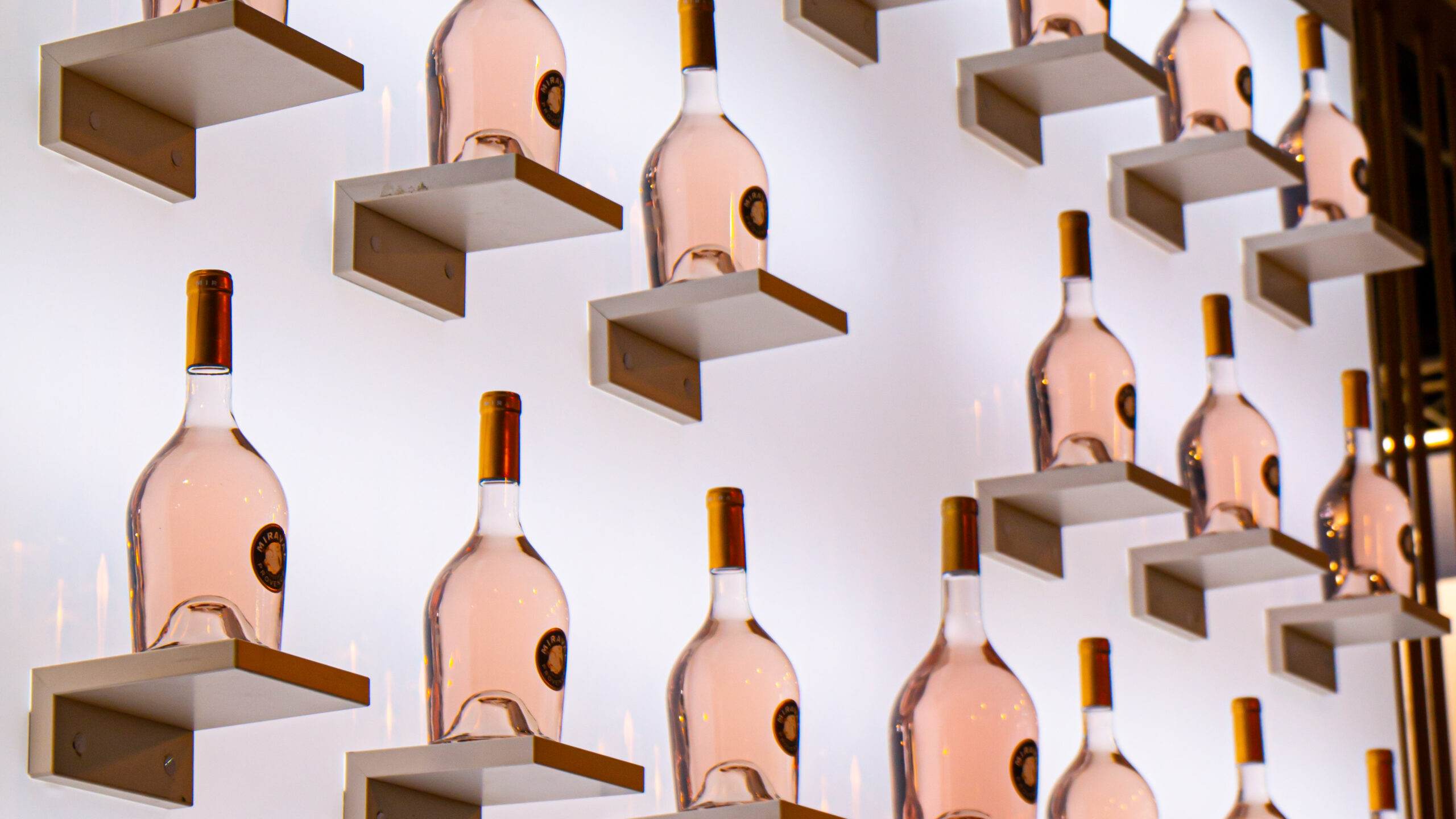
Miraval confirmed its status as a star rosé, the brand having been propelled to fame by Brad Pitt, in collaboration with the Perrin family. Here, wine is an extension of a cultural universe.
For Château d’Estoublon and its Roseblood cuvée, Carla Bruni embodies the brand to reinforce its lifestyle and premium positioning. She also took advantage of the event to present her non-alcoholic sparkling wine, L’Excessive, which is not dealcoholized. Also noteworthy was the presence of Kylie Minogue at the show, who also exhibited her range of rosés launched in 2022 with Château Sainte Roseline, which includes two non-alcoholic cuvées.
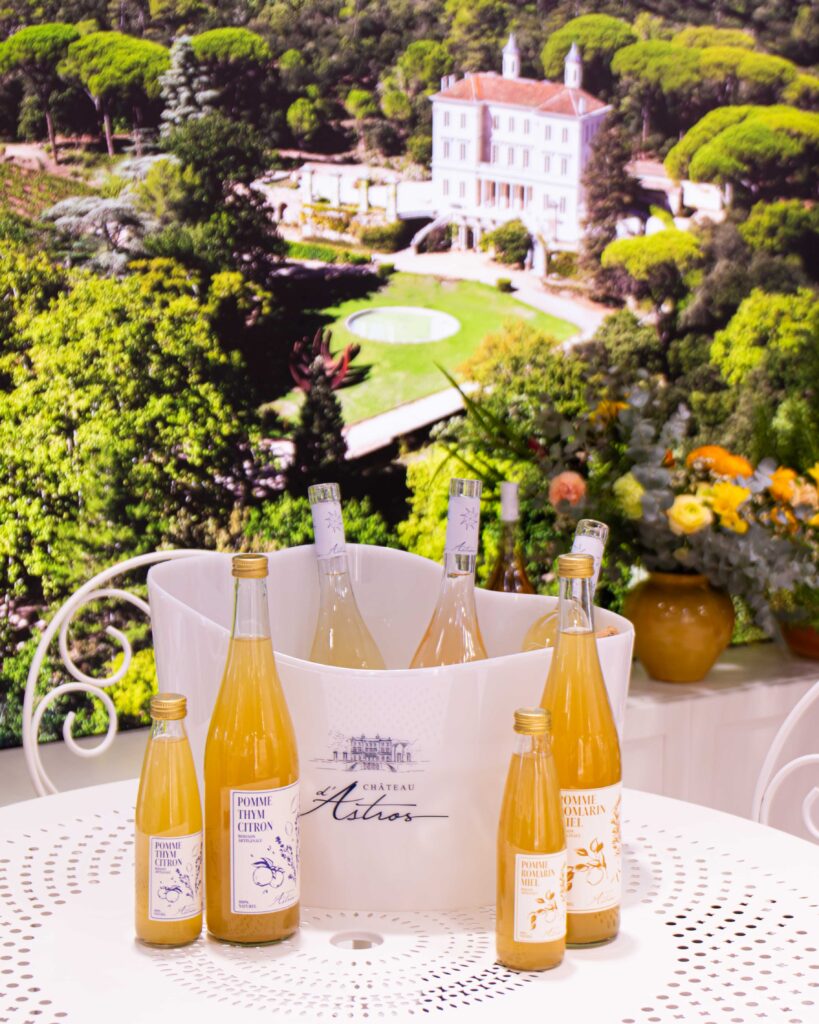
On a different note, without resorting to the energy-intensive technique of dealcoholization, Château d’Astros is highlighting its winemaking expertise and exploring new territories by launching botanical drinks infused with herbs and made from apples. In this way, it aims to preserve its heritage while diversifying.
New segments and consumption patterns
One question keeps coming up in discussions: how can we attract younger consumers? This requires accessibility in terms of taste, price, messaging, and branding, with more expressive labels. This is the case with Bernard Magrez‘s Bordeaux N°12, a range designed for Gen Z, with visual codes that are disruptive in the industry.
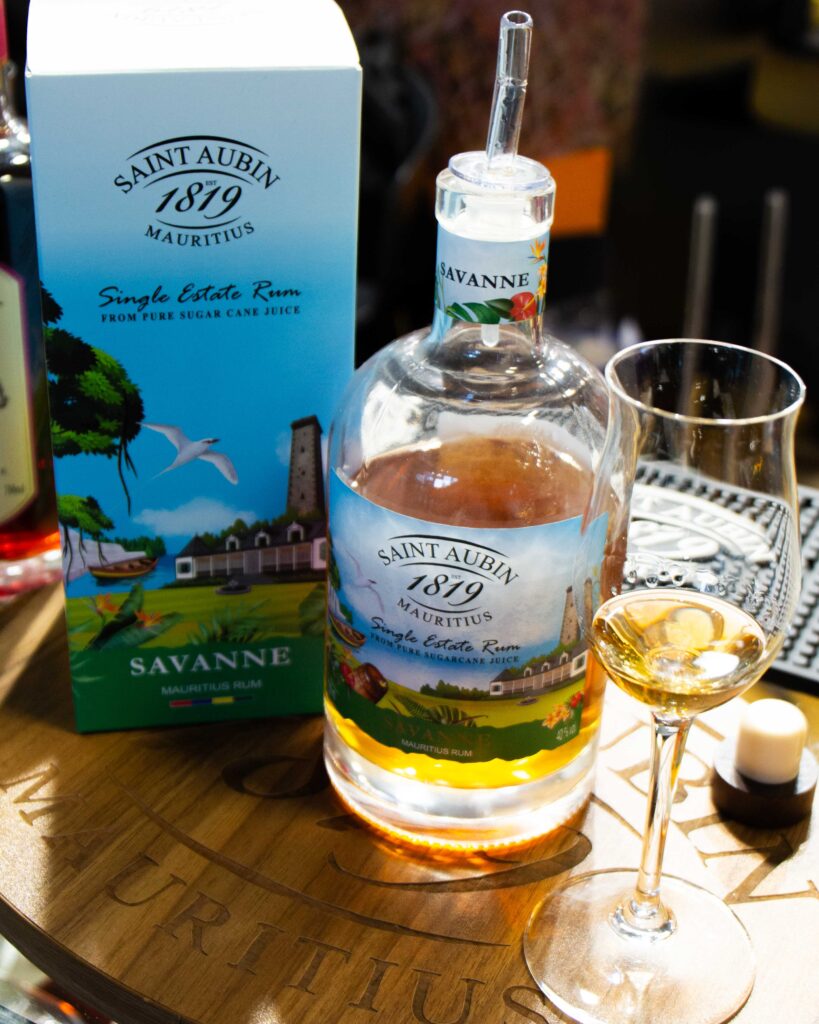
The 2026 edition also marked a turning point with three worlds brought together under one roof. Created in 2020, Be Spirits has become a standalone show, confirming the rise of spirits. It featured a global map of the sector and new countries such as Panama, Madagascar, and Mauritius, which showcased premium rums from Saint-Aubin, aged in oak barrels. At the heart of this space, the Infinite Bar brought together bartenders offering signature cocktails in a festive atmosphere, with mixology performances. This year saw an expansion of the concept of spirits with the arrival of producers of beer, cider, sake, and ready-to-drink beverages, reflecting, once again, a shift in consumption patterns.
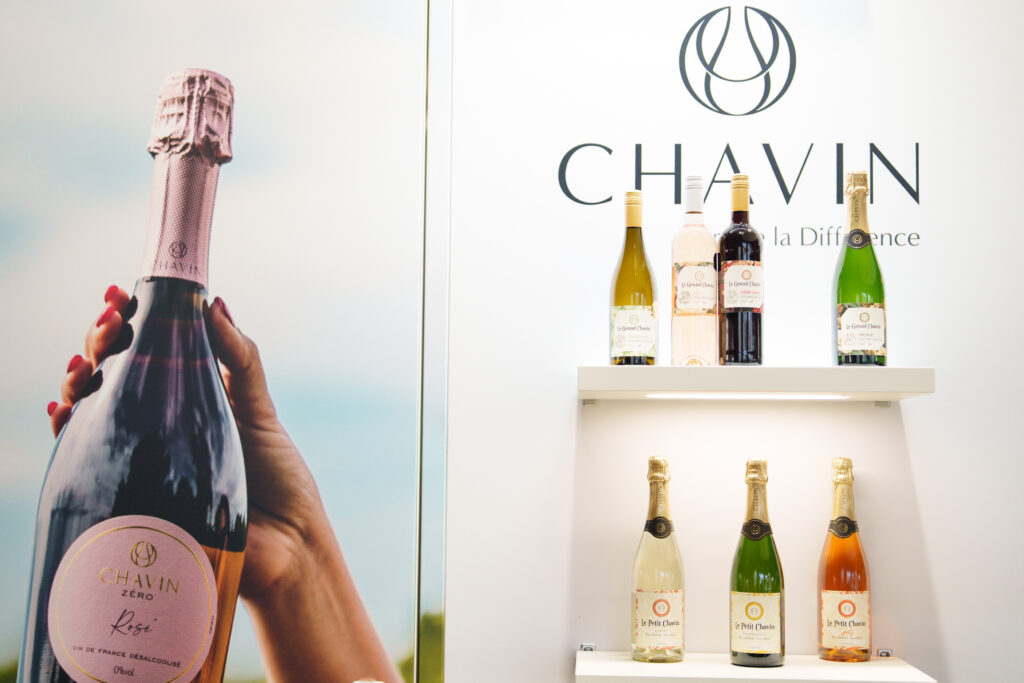
The big news was the Be No area: 13 countries spread over 600 m² entirely dedicated to alcohol-free alternatives. Brands such as Sober Spirits, voted best alcohol-free, sugar-free spirits, made from real spirits and then undergoing an extraction process, were featured. Also noteworthy was the presence of French Bloom, with its premium positioning, and Pierre Chavin, a French pioneer in alcohol-free wine who champions “the art of difference.” These players are responding to a change in consumer habits: 52% of wine consumers say they are interested in alcohol-free wines (source: Terre de Vins – Moderato, 2025). Beyond abstinence, these players talk about chosen moderation and more conscious consumption, a search for meaning in taste.
Wine Paris does more than just unveil product innovations. The event accompanies transformations in the industry. Whether it’s Champagne, rosé, spirits, or alternatives, the experience revolves around the emotion of tasting and the stories it allows us to share.
Lire aussi > French Bloom is now served in Air France’s La Première cabin
Photo à la Une : Miraval © Prelude Paris