






She formed couples while disappointing a part of her community. The Tinder app keeps causing debate about its true motivation to honor love. However, it continues to be massively used by 70 million users.
It is far from the time when one flirted at the evening with friends or with a colleague. Even further, the time when one was looking for a wife at the ball. Since the arrival of dating applications, there is no need to leave home to meet love, a lover or good company. At the end of the 90s and at the beginning of the 21st century, companies had the idea to move dating classifieds on paper to bring them into the digital age. American Match.com opens the dance, followed by eHarmony or even OkCupid. In France, it will be necessary to wait for Meetic in 2001, a site designed by Marc Simoncini, with dazzling success. Six years later, AdopteUnMec’s viral marketing continues to popularize the new phenomenon. These first sites pave the way for digital exchanges and this new form of dating. But with the massive arrival of smartphones, everything is transforming and accelerating.
Tinder, the mastodon of online dating
In 2012 in Los Angeles, Sean Rad, Joe Munoz, Justin Mateen, Alexa Mateen, Dinesh Moorjani, Jonathan Badee and Whitney Wolfe Herd launch the application Tinder, within the group specialized in online matches IAC/Match Group. The small group revolutionizes the system with a fun and intuitive interface, as well as a geolocation system to display members not far from the user. We then discover the swipe, the fact of sliding to the right to like a profile, and to the left to pass it. Photos, description and interests are mentioned to find THE person who suits us in no time. A reciprocal like gives the famous match, engaging in a conversation.
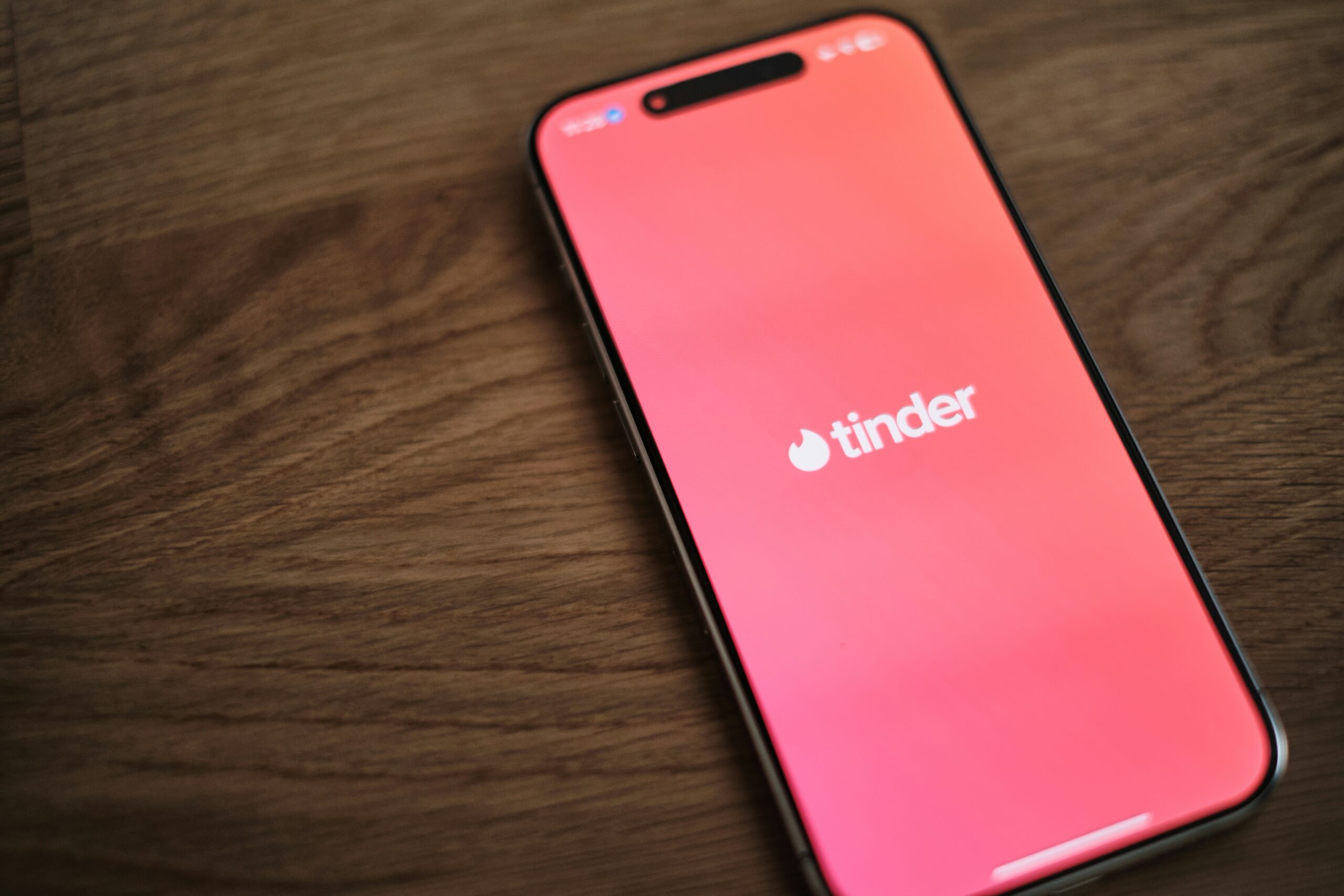
In 2013, Tinder already had millions of swipes per day, especially on US university campuses where it was tested. The application quickly expands to other markets and adds a variety of paid features, allowing it to generate revenue. Tinder Plus, Tinder Gold and Super Likes then make their appearances. The promise? Allow people with few matches, not meeting someone or wanting more exchanges to boost their profile and the use of the application.
Copied and challenged by Hinge, Bumble, Happn or even Once, Tinder also promises a plurality of encounters. From great love to a night’s escape or an outing without a headache, everyone, in theory, can find their account.
Attracting young people
And no question of limiting oneself to profiles over 40 years old. While old dating sites could be perceived as cheesy by the young generation, Tinder is cleaning up its priorities to attract this target. The application is thus mainly aimed at 18-35 year olds, with a direct, humorous and sometimes provocative language. The flame logo sets the tone, the perfectly smartphone-friendly design convinces. Campaigns are often based on micro-stories, and Tinder rides the evolution of ultra-connected youth behaviors.
Click here to read the full article on Luxus Magazine.
Featured photo : © Unsplash