











Piedmont, a region in northwestern Italy, has established itself as a strategic textile hub, combining artisanal expertise and industrial innovation. With its specialized districts and R&D centers, supported by the Regional Government (Piedmont Region), the region structures and energizes the excellence of Made in Italy.
A land of tradition and creativity, Piedmont embodies a discreet but demanding luxury, where elegance and craftsmanship meet. “Piedmont,” say President of the Piedmont Region Alberto Cirio and Councilor for Productive Activities and Internationalization Andrea Tronzano, “continues to be a laboratory of excellence capable of competing on global markets thanks to the strength of its craftsmanship, innovation, and ability to interpret new international trends.”
The region is also the first to have created an entity dedicated to investments to encourage the establishment of companies: Piemonte Agency, based in Turin, which supports local and foreign companies and organizes events to promote various activities. Supported by a structured and internationally-oriented industrial ecosystem, the region is now shaping a new vision of Made in Italy.
Piedmont: a strategic location and a thriving industry
In northwestern Italy, one region stands out in particular for its ultra-strategic and dynamic industrial and artisanal ecosystem: Piedmont. This region at the crossroads of European routes, with Turin at its center, enjoys privileged access to the continent’s market and its 500 million consumers thanks to several airports, developed rail corridors, and numerous road networks.
While Italy is the second largest manufacturing country in Europe and has been one of the top ten manufacturers in the world for 30 years, Piedmont has a population of 4.2 million, or about 7% of the country’s population. With a GDP of around €156 billion, the region is an important economic force for the country. Exports amount to more than €60 billion, making the region the fourth largest in Italy, thanks to the international vitality of an entrepreneurial network of around 420,000 companies.
Thanks to this attractiveness, Piedmont ranks as the leading Italian region in terms of the intensity of its private R&D [editor’s note: Research & Development]. Spending in this sector represents 1.6% of regional GDP, compared to the national average of 0.9%. There are 200 R&D centers and three science and technology parks. Seven innovation hubs illustrate this effervescence, including clean energy, agri-food, and, of course, textiles.
Textiles and fashion: the historic heart of Made in Italy
With Italian textile exports generating around €40 billion in 2023, this activity is the beating heart of Piedmont. The region exported €4.8 billion in this sector in 2024, thanks to more than 3,800 specialized companies, including 1,280 in textiles, 2,000 in clothing, and 215 in leather. A total of 32,500 employees work in this field.
The Biella area, north of Turin, is one of the most skilled textile districts in the world, with 950 companies and 10,700 employees. A wide range of expertise is concentrated here, including merino wool, cashmere, alpaca, mohair, cotton, and synthetic fibers, with complete production chains from combing to weaving and dyeing, allowing Biella to be self-sufficient.
It is no surprise that several fashion houses and groups have set up shop here. Several fashion brands, or their partners, benefit from Biella’s expertise, including Bottega Veneta, Burberry, Cerruti, Gucci, Loro Piana, Versace, and Ermenegildo Zegna.
To oversee this industry, the Textile & Health Association was founded in Biella in 2001. It ensures consumer safety, monitors substances, and regulates the environmental impact of activities. A few miles south of the city, MagnoLab focuses on the business network, develops collaborative projects around products and processes, and offers shared platforms for professionals.
From production to creation
The region’s strong productive vocation has generated strong appeal around creation. More than 2,650 companies and design studios generate $14.5 billion in revenue and create 72,500 jobs in the fields of design, including fashion, furniture, tableware, decoration, automotive, and sports. It is no coincidence that Turin was named the world’s first design capital in 2008 and also named a UNESCO Creative City of Design in 2014.
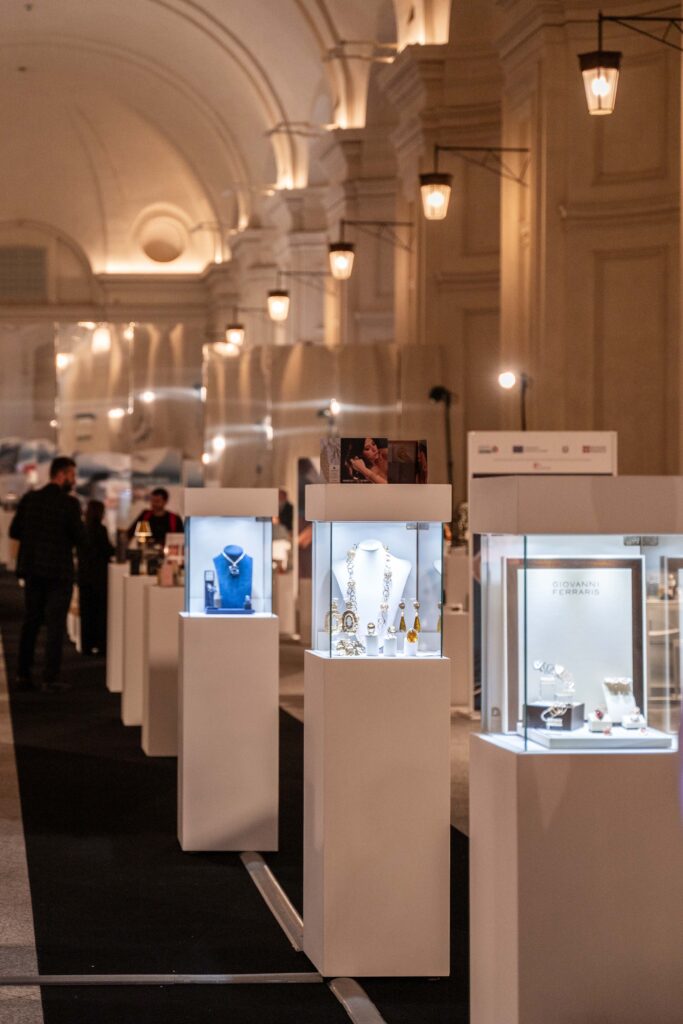
In addition to these areas of activity, jewelry is also thriving, particularly in the Valenza district, one of the world’s largest jewelry hubs. With around 1,000 companies and 6,700 employees, the region processes around 30 tons of gold and 80% of the precious stones imported into Italy each year. Bvlgari (which has the largest jewelry factory in Europe there), Damiani, and Pasquale Bruni have all set up shop there. This craftsmanship also attracts younger generations, who can study at goldsmithing schools or at FOR.AL – Scuola Orafa di Valenza, just a stone’s throw from their future employers.
Alongside training young people, Piedmont is looking to the future through Integrated Industry Projects, such as Fashion Luxury Design and Textile. These projects, which aim to facilitate business relations between companies in the fashion, luxury, design, and textile industries based in Piedmont, are promoted by the Piedmont Region, co-financed by the European Regional Development Fund (ERDF) 2021-2027, and implemented by Piemonte Agency.
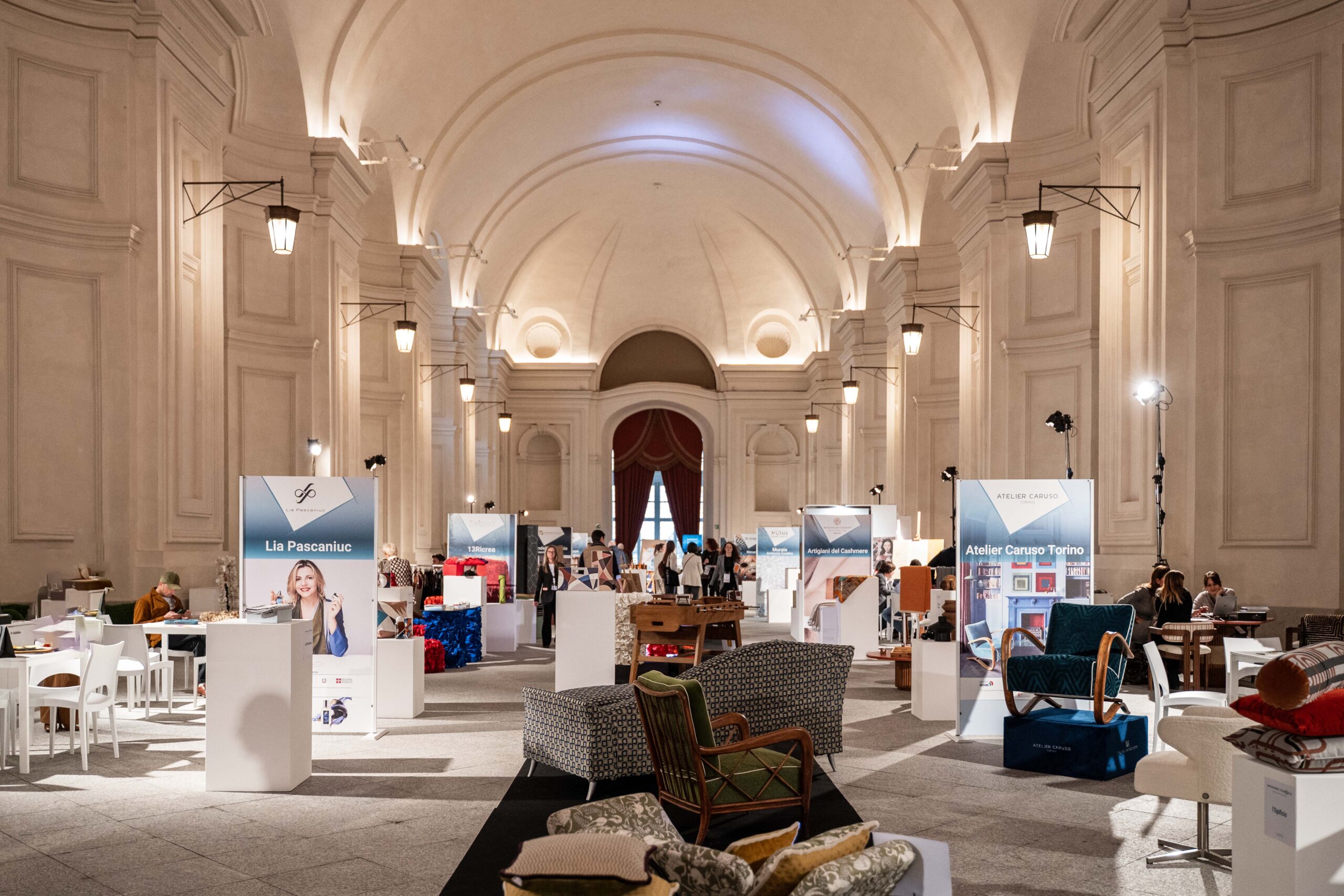
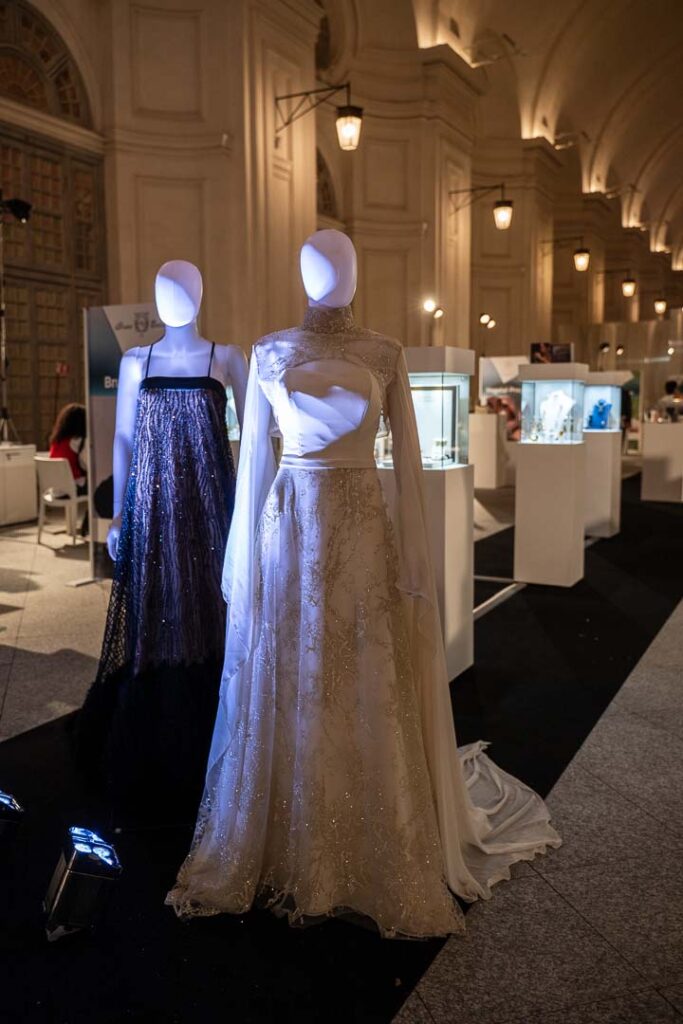
It was precisely within the framework of these projects that the fourth edition of Experience Piemonte was organized last November. This two-day international event brings together Piedmontese companies representing Piedmontese expertise in the luxury, design, and textile sectors with international buyers. “Experience Piemonte has so far involved more than 300 Piedmontese companies and 250 foreign operators and has organized more than 2,500 B2B meetings,” emphasizes Dario Peirone, president of Piemonte Agency. Bringing qualified buyers directly to Piedmont is an integral part of our strategy: in 2025, we participated in dozens of events around the world dedicated to these sectors, accompanying more than 130 companies to the main international markets. Experience Piemonte is the natural culmination of this promotional journey, which aims to create concrete business opportunities for our companies in the region. ”
This concrete commitment allows the region to continue its development and to continue to promote Piedmontese excellence on the international stage.
Read also > Watchmaking: Richemont sells Baume & Mercier
Featured photo: © Experience Piemonte 2025