




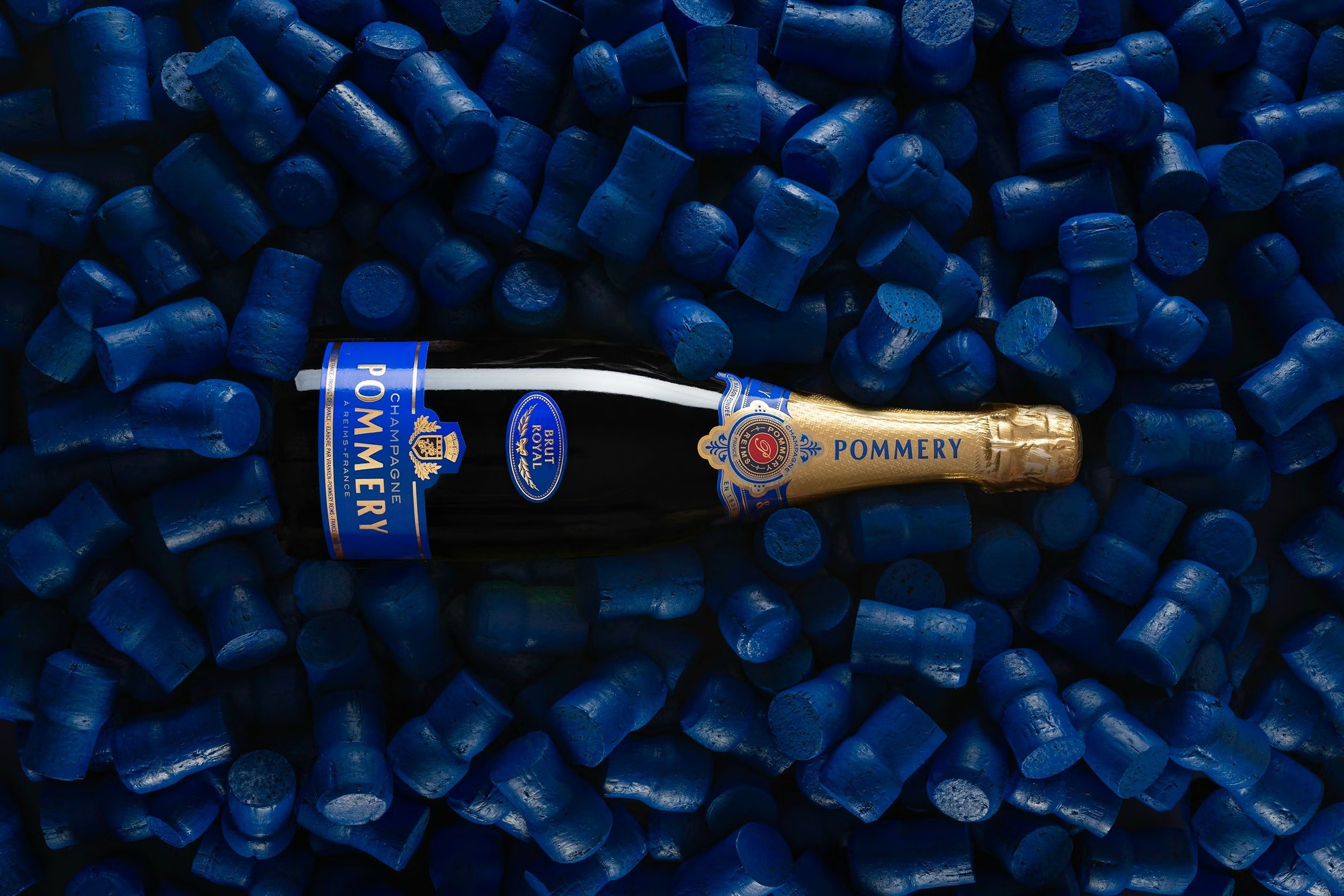








The Champagne group Vranken-Pommery has entered into exclusive negotiations with Lanson-BCC, via its subsidiary Maison Burtin, to sell the Heidsieck & Co Monopole brand.
The agreement formalizing this sale is expected to be signed on October 1, 2025, subject to approval by the boards of directors of both companies.
Furthermore, the sale only concerns the shares of Heidsieck & Co Monopole. No other assets such as inventory, vineyards, grape contracts, or physical facilities are explicitly included. Furthermore, the absence of inventory or other assets may make it more complex for the buyer to operate the brand. It will be necessary to ensure that Maison Burtin has the logistical, contractual, and commercial capabilities to continue to produce, distribute, and promote the brand effectively.
Why is Vranken-Pommery divesting itself of this asset ?
The champagne sector is experiencing a period of competitive pressure, particularly in the mass retail markets and among the most affordable ranges. Faced with production costs, the costs associated with sustainable viticulture, and the volatility of grape prices, champagne houses are being forced to redefine their objectives.
The transaction is part of Vranken-Pommery‘s strategy to refocus and reduce its debt. The group’s accounts show high net financial debt : at the end of 2024, this stood at around €635.5 million according to the consolidated accounts, while the group’s turnover was €304 million.
The envisaged sale price for the Heidsieck & Co Monopole brand is around €130 million. This sale would enable the seller to significantly reduce its financial costs, with an estimated annual gain of “€5 to €7 million.”
In addition, Vranken-Pommery wishes to refocus its image and efforts on its flagship brand Pommery, with a view to premiumization. The sale of Heidsieck & Co Monopole is therefore part of a broader strategy of divesting assets that are not considered strategic, which could include the sale of land or real estate.
A lever to compete with the champagne giants
Lanson-BCC is a Champagne group comprising eight houses : Lanson, De Venoge, Philipponnat, Boizel, Chanoine Frères, Maison Burtin, Domaine Alexandre Bonnet, and Besserat de Bellefon. Maison Burtin, founded in 1933 in Épernay, has a historic production site with quality certifications such as IFS, BRC, and Ecocert.
Beyond the commercial aspect, this acquisition could enable the group to combine the reputation of Heidsieck & Co Monopole with a more visible environmental approach, thereby improving the group’s overall image in a market where expectations in terms of social responsibility are constantly growing.
With this acquisition, Lanson-BCC also hopes to close the gap with the heavyweights in the sector, starting with LVMH, the undisputed leader in champagne with houses such as Moët & Chandon and Veuve Clicquot, and Laurent-Perrier, which ranks third behind Vranken-Pommery. By acquiring Heidsieck & Co Monopole, Lanson-BCC, currently number four, would consolidate its portfolio to better compete with these giants in a market where concentration is accelerating and the battle for market share is intensifying, particularly internationally.
Read also > Champagne : Vranken-Pommery Monopole strengthens its governance
Featured photo : © Vranken-Pommery