





For nearly fifty years, Rolex has established itself as THE undisputed watchmaking benchmark in tennis. Much more than just a sponsor, the brand has gradually built a veritable empire around the sport, ranging from the courts to partnerships with top players, and including the acquisition of naming rights for certain tournaments.
With the Monte-Carlo Masters approaching—a tournament played on Monaco’s clay courts since the late 19th century—how could we not mention Rolex’s presence on the courts ? So much so that the watchmaker officially linked its name to the event twenty years ago, in 2006. The tournament thus became the Rolex Monte-Carlo Masters, further consolidating the brand’s presence in a sport it already knew so well…
1978 : the starting point of a great story
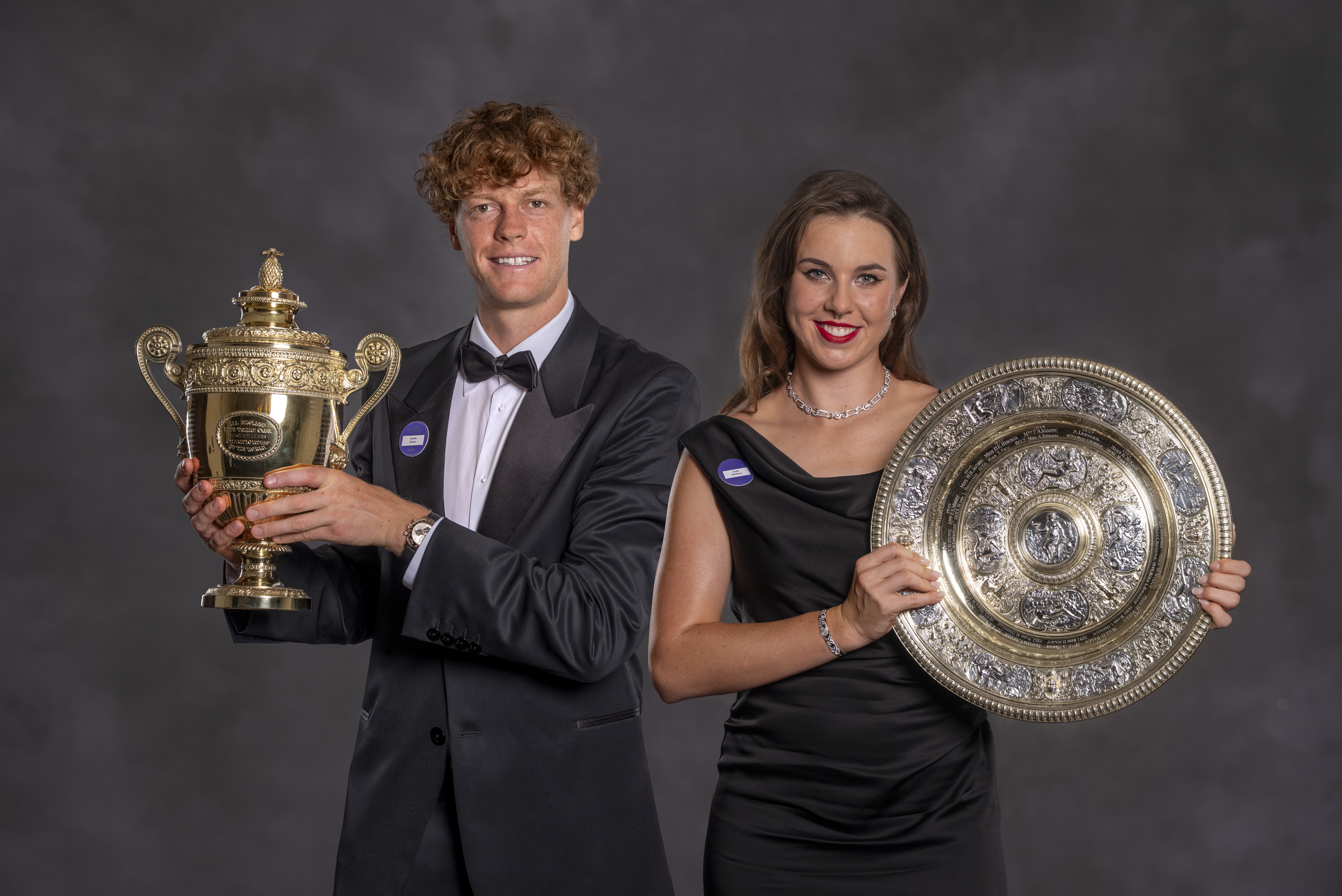
The shared history of Rolex and tennis officially began in 1978 : the Wimbledon tournament had the honor of being the watchmaker’s first partner. It was during this period that tennis entered a phase of major transformation, marked by its professionalization and growing media coverage.
This initial partnership was by no means insignificant: Wimbledon was then—and remains today—the oldest and most prestigious tournament on the circuit. By partnering with it, Rolex immediately established its image as a symbol of excellence and tradition.
Forty-eight years later, Rolex is no longer content with just one iconic tournament. The brand is now a partner of all the pillars of the global tennis world, starting with the other three Grand Slam tournaments : the Australian Open since 2008, the US Open since 2017, and finally Roland Garros, “snatched” from Longines in 2019.
Added to this is a massive presence on the professional circuits. Rolex is the official timekeeper of the ATP and the WTA, while also being associated with major end-of-season finals such as the Nitto ATP Finals and the WTA Finals. The brand also covers the most strategic mid-season tournaments, notably the Masters 1000 events. It is the title sponsor of several of them, such as the Rolex Paris Masters—which incorporated the brand name into its title in 2017—and, of course, the Rolex Monte-Carlo Masters in Monaco.
Distinguished ambassadors over the years
While the brand’s presence at tournaments is well-established, its roots in tennis have also been shaped by its ambassadors : beginning in the 1980s and 1990s, the brand began forging ties with iconic players, such as Björn Borg on the men’s side and Chris Evert on the women’s side.
The brand also partnered with Stefan Edberg in the 1990s, then with Justine Henin in the early 2000s, before Roger Federer’s high-profile arrival as an ambassador marked a decisive turning point. Partnering with Rolex in 2006, the Swiss player became one of the brand’s most powerful ambassadors, embodying the image the brand sought to project : precision, elegance, and mastery.
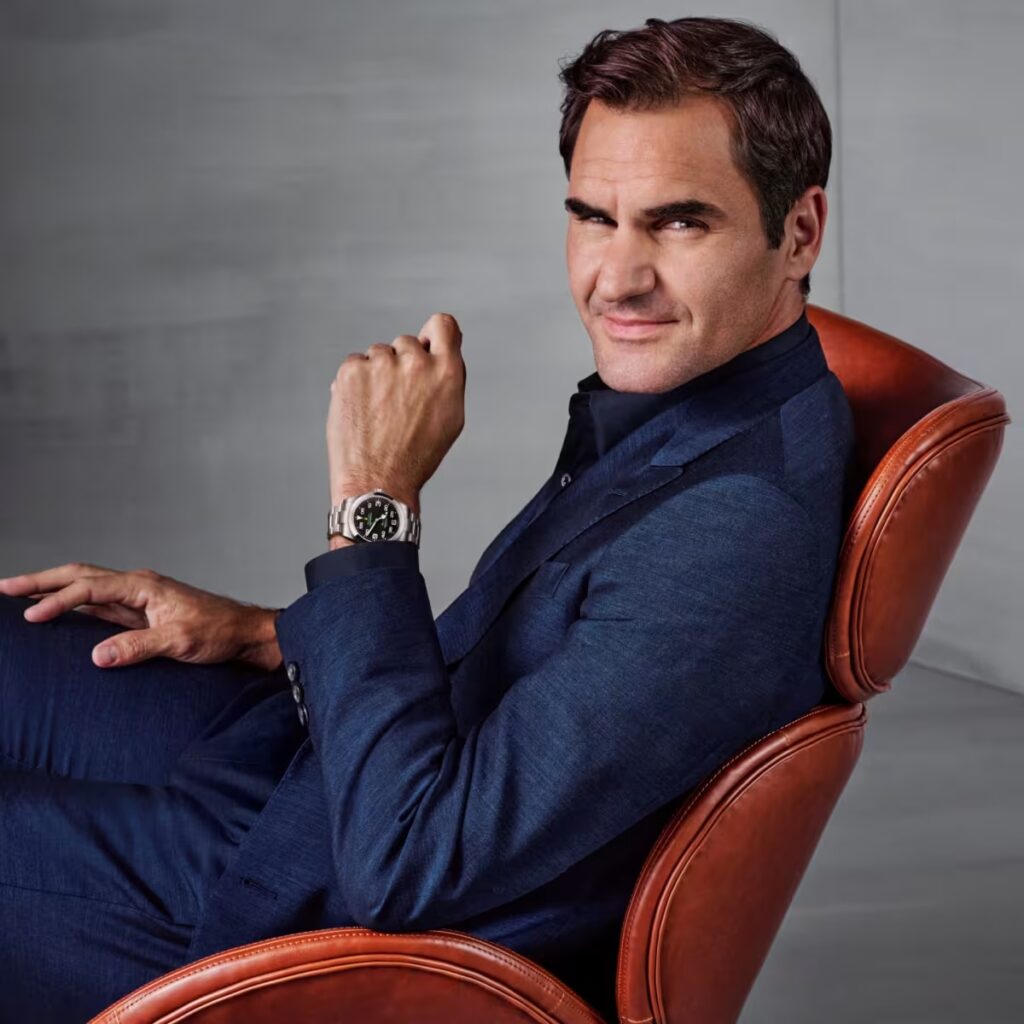
Subsequent ambassadors included names such as Novak Djokovic in 2011 following his exceptional debut season marked by three Grand Slam titles, and more recently Carlos Alcaraz and Jannik Sinner. The Spaniard became a Rolex ambassador in 2022 after his victory at the US Open, becoming, at 19, one of the youngest world No. 1s in history, while Sinner joined the brand in 2020, also embodying the new generation of European tennis among many others.
It is worth noting, however, the absence among these great players of Rafael Nadal, who has been associated with the Richard Mille brand since 2010.
What makes Rolex an essential brand in tennis ?
What makes Rolex truly inseparable from tennis has less to do with its mere visibility than with its gradual integration into the sport’s structures and rituals. Over the course of nearly fifty years, the brand has been involved at every level of the sport, from historic tournaments to contemporary competitions, but above all, it has become an integral part of the very rhythm of the game.
Tennis is punctuated by breaks, changes of ends, and suspended moments where time becomes a dramatic element in its own right. By occupying precisely these moments through its clocks on the courts, Rolex establishes itself as a silent yet constant reference point for both players and spectators.
This presence is reinforced by an exceptional continuity of partnerships, some spanning over forty years—a rarity in the sports industry. This strategy of saturation is, moreover, uncommon in sports sponsorship : it allows Rolex to maintain visibility at every stage of the season, from the first tournament in January through to the finals in November.
Finally, in a globalized sport broadcast in over 200 territories, where major tournaments each attract hundreds of thousands of spectators and millions of television viewers, Rolex benefits from a presence that goes beyond traditional sponsorship : the brand has accompanied tennis over the long term, to the point where its presence has become almost inseparable from the very experience of the game.
Read also > [THE LITTLE STORIES OF LUXURY] The Saut Hermès or the revival of equestrian culture
Featured photo : © Rolex