



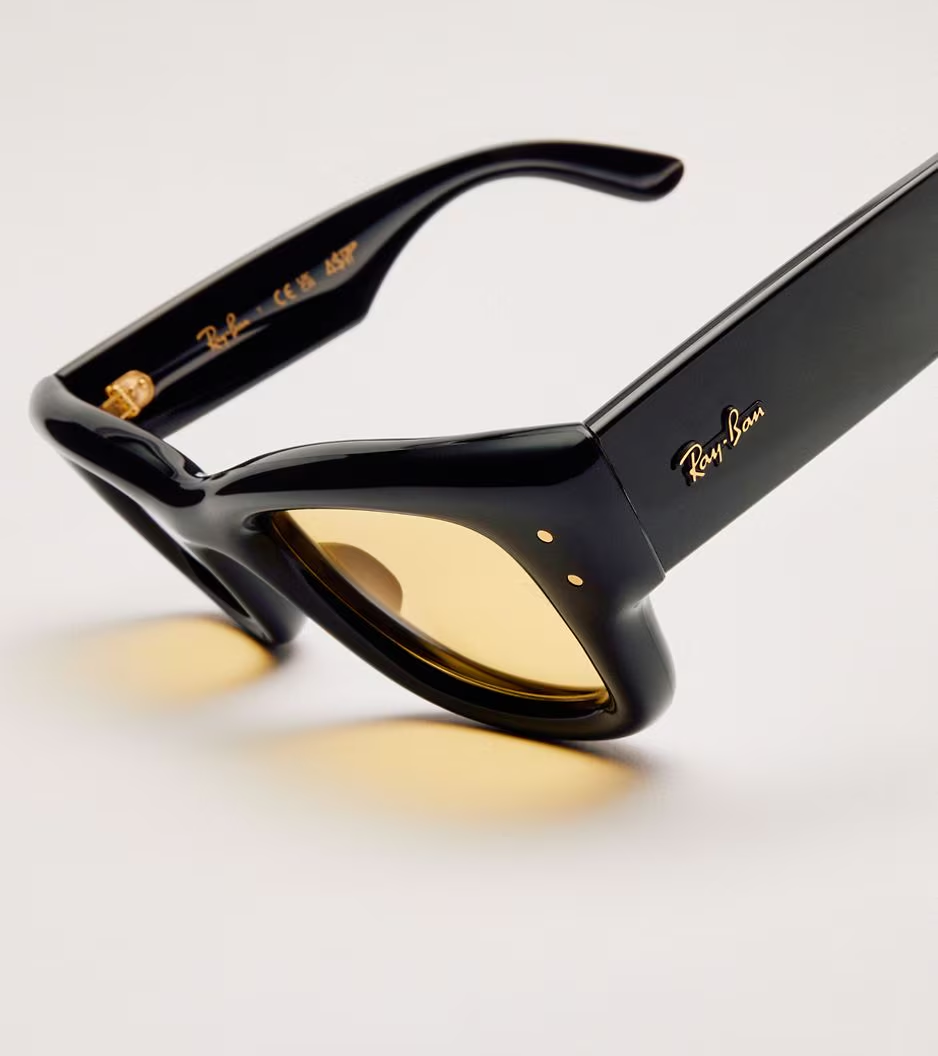








Introduced in 1952, this signature model from Ray-Ban revolutionized the eyewear market with its plastic frame and trapezoidal shape. If you’re looking for the perfect pair for this summer, the Ray-Ban Wayfarer is the ideal choice.
The fashion industry is subject to frequent changes due to the planned obsolescence of trends and micro-trends. Few fashion trends endure over time without losing their appeal. Since its creation in the 1950s, the Ray-Ban Wayfarer has weathered every technological upheaval and aesthetic revolution that has come along. From James Dean to its most high-tech version, its plastic frame and angular silhouette make it more than just an aesthetic object: it is a symbol of timelessness. The story of a design that still captivates seventy years after its creation and continues to embody a value dear to today’s luxury world: eternity.
1952 : The Birth of a New Practical and Aesthetic Object
In the early 1950s, Ray-Ban was best known for its flagship model: the Ray-Ban Aviator. A pair of sunglasses created in 1937, characterized by a thin metal frame and lenses capable of filtering the sun’s rays, and developed at the request of the U.S. Air Force for its pilots.
A few years later, the arrival of the Ray-Ban Wayfarer marked a revolution. With a thick, wide acetate frame, a geometric silhouette, and angular shape, it represented the emergence of post-war American industrial design making its mark on the eyewear market. With the Wayfarer, Ray-Ban abandoned the classic metal frame and opted for acetate—a plastic material made from cotton fibers—an innovation that would become the brand’s trademark. While the popularity of this model stems from its aesthetics and practicality, it also enjoyed its heyday thanks to the movies.
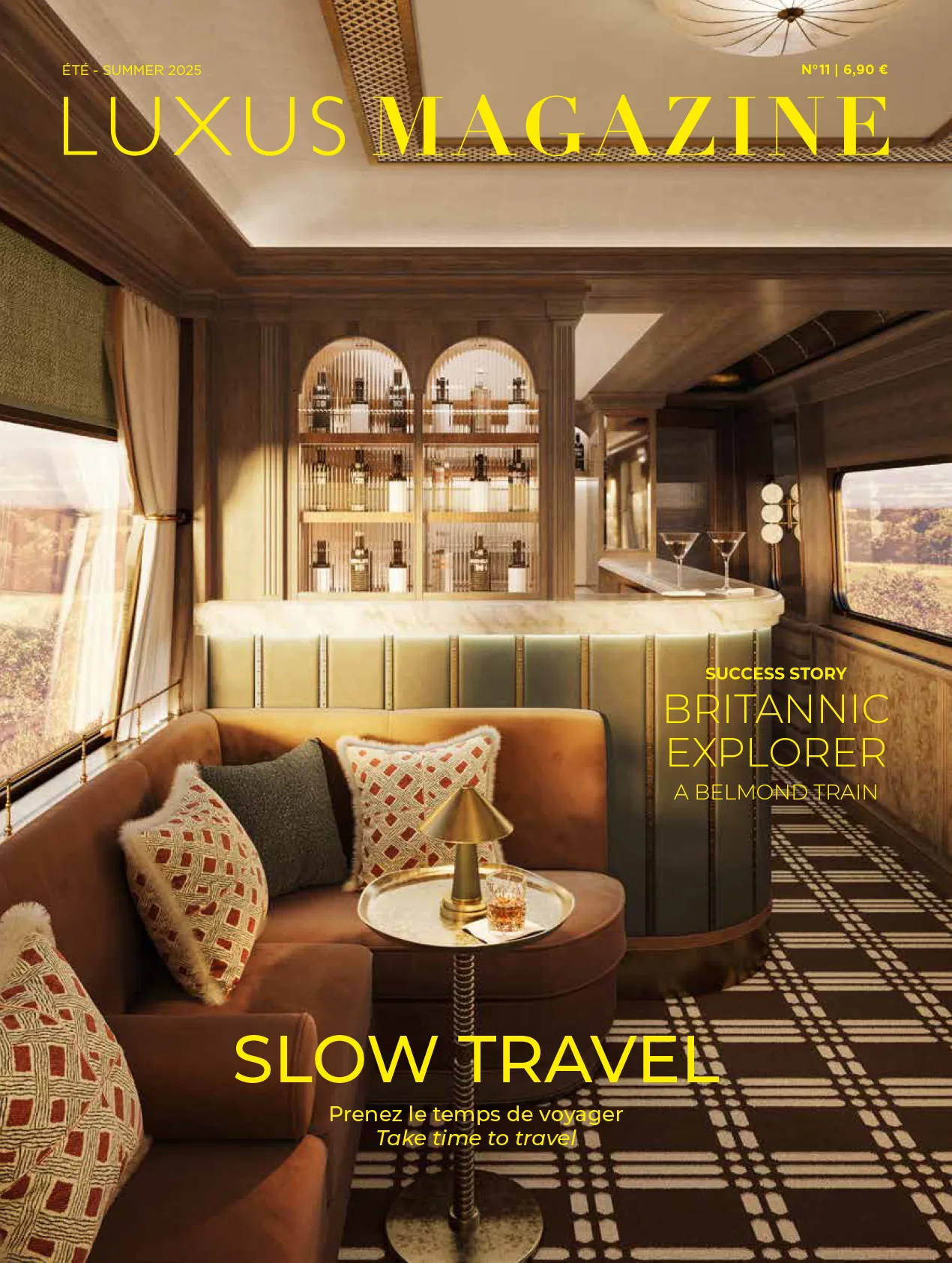
Click here to read the full article on Luxus Magazine.
Featured photo : © Ray-Ban