






At once a place of worship, an architectural masterpiece, and a construction site still in progress, the Sagrada Família continues to bear Gaudí’s mark. Begun in the late 19th century, this extraordinary project continues to evolve and remains one of Barcelona’s most recognizable symbols.
On June 10, 2026, Pope Leo XIV blessed the Sagrada Família in Barcelona during a ceremony marking a new chapter in the monument’s history. This celebration coincides with the centennial of the death of its principal designer, Antoni Gaudí, who passed away on June 10, 1926. Through seven key figures, here’s a look back at the characteristics and history of this iconic building in the Catalan capital.
1882: Construction begins
Construction of the basilica began in 1882 under the direction of architect Francisco de Paula del Villar. A year later, Antoni Gaudí took over the project and transformed it profoundly. He would devote more than forty years of his life to it, spending the last fifteen years working on it almost exclusively.
1926: The Year of Gaudí’s Death
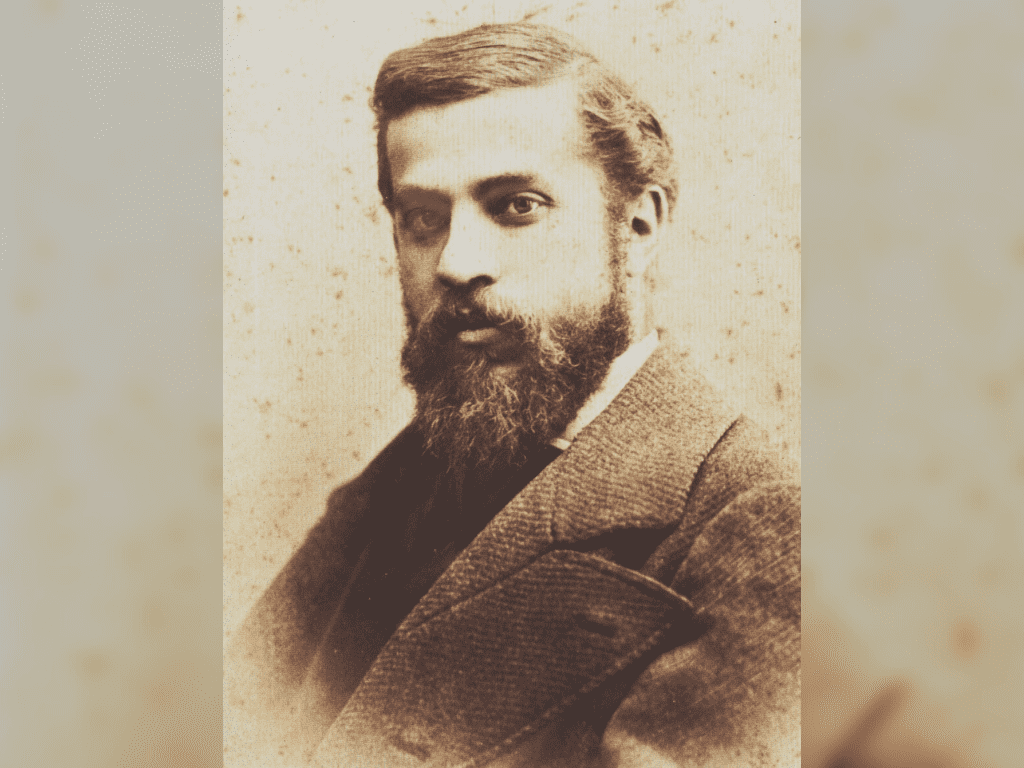
On June 10, 1926, Antoni Gaudí died in Barcelona as a result of a tram accident. At the time of his death, only part of the building had been completed, notably the crypt, the apse, and a section of the Nativity Facade. Construction has continued ever since, thanks to the plans, models, and instructions left by the architect.
Click here to read the full article on Luxus Magazine.
Featured photo : © DR