




Long associated with Middle Eastern rituals, oud has established itself over the past two decades as one of the most sought-after ingredients in contemporary perfumery. Behind its commercial success lies a history spanning millennia, blending spirituality, natural rarity, and a growing dialogue between Eastern and Western olfactory cultures.
An Ingredient Born of Chance and Tradition
Long before it found its way into the collections of major perfume houses, oud already held an essential place in Asian and Middle Eastern societies. Derived from agarwood (Aquilaria), it appears only when the tree reacts to a fungal infection by producing a dark, fragrant resin. This natural phenomenon remains exceptional: only a small proportion of trees develop this resin, explaining the rarity and high price of the raw material.
For centuries, oud was not intended to be sprayed on the skin. It was burned as incense in homes, places of worship, or during major family celebrations. Its scent accompanied weddings, religious festivals, and the welcoming of guests. More than just a fragrance, it embodied a form of hospitality, respect, and tradition.
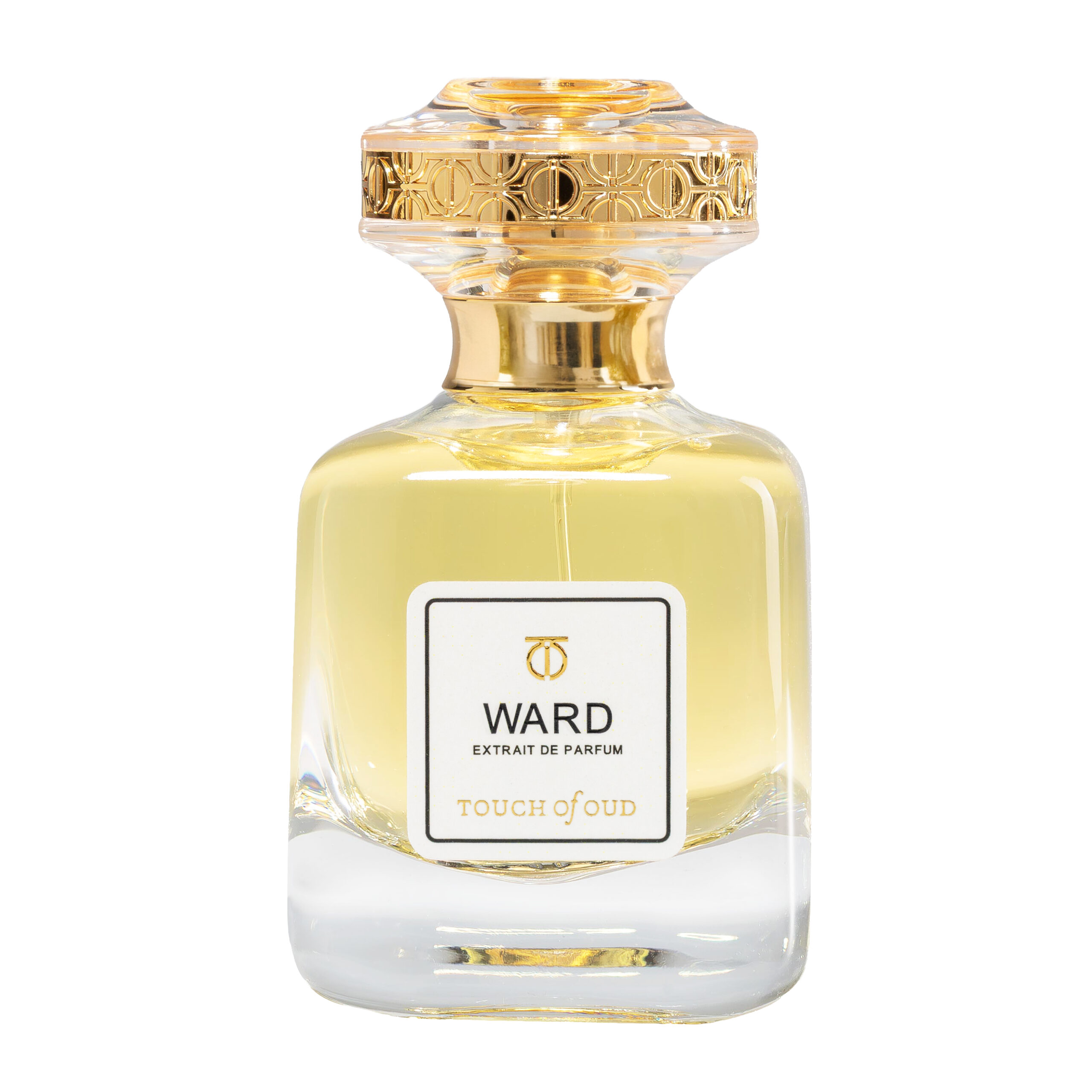
This cultural dimension remains very much alive today in the Gulf countries, where perfume is an integral part of a true art of living. Some contemporary houses, such as Touch of Oud, founded in Dubai, embrace this heritage by making oud the central theme of their creations rather than merely an ingredient. Their compositions seek balance rather than a display of power, using oud as an olfactory structure that supports the fragrance without consistently dominating it.
Click here to read the full article on Luxus Magazine.
Featured photo : © Touch Of Oud