






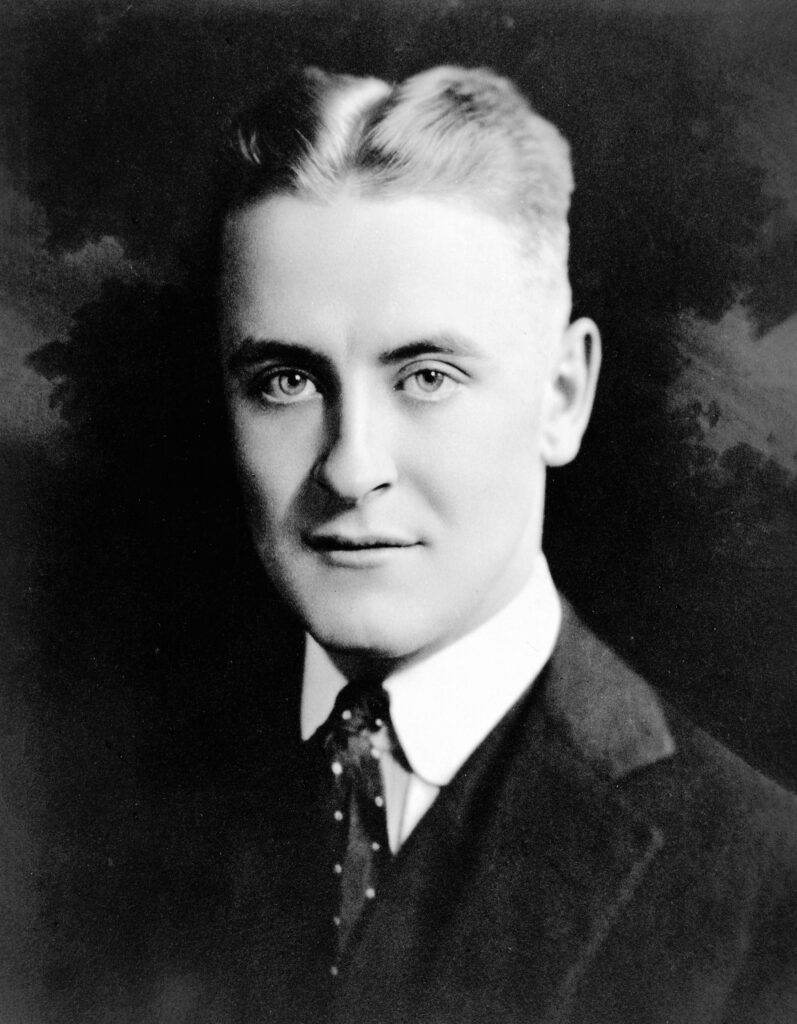
Published in 1925, The Great Gatsby brought its author, Francis Scott Fitzgerald, unexpected but belated literary success, against a backdrop of warnings about the false pretenses of success and out-of-control speculation. Yet, a hundred years later, most commentators have focused solely on the glitz, the Charleston dresses, and the endless jazz-filled parties. This is the story of a work that remains largely misunderstood.
“What Money Can’t Buy” is an expression that is increasingly popular in the luxury sector. It is often synonymous with the evolution of the sector’s offering, which, instead of focusing exclusively on physical products, is moving towards intangible, immersive experiences that can be shared on social media.
However, if there is one literary work that can be considered a manifesto of this “What Money Can’t Buy”, it is The Great Gatsby (The Great Gatsby). The story of an impossible love between a mysterious nouveau riche and a flapper married to a millionaire heir, at a time when Long Island—on the outskirts of New York—was nicknamed the Gold Coast following the construction of vast mansions by the wealthy.
A hundred years after its publication, the “great American novel” by Francis Scott Fitzgerald and the shadow of his mysterious, wealthy anti-hero, Jay Gatsby, is a staple of Roaring Twenties-inspired parties, speakeasies, and electro swing. The embodiment of essentially material success, he has been elevated to meme status among financiers, crypto bros, and start-up entrepreneurs of all stripes.
However, despite more than 25 million copies sold, it is as if the author’s warning and, above all, the experience of the novel’s narrator, Nick Carraway, a young stockbroker in the deregulated Wall Street of the 1920s, had been overshadowed.
Indeed, Gatsby is not just about drunken parties and the Jazz Age: it is a scathing and acid critique of the American dream, long before Brett Easton Ellis and his American Psycho, which painted an unflattering picture of 1980s traders.
A literary gamble
When Francis Scott Fitzgerald was about to publish what would be his third novel, he was plagued by doubt. The 29-year-old had no idea that this book would be the most famous of his works. In the meantime, he hoped to repeat the success of his first novel, This Side of Paradise, which had sold more than 40,000 copies in five months in 1920! However, five years later, such success had not really been repeated, and the dashing former Princeton student was beginning to feel the pinch. Repeated setbacks with his play The Vegetable forced him to rethink his ambitions for The Great Gatsby, which he had started writing in June 1922.
Click here to read the full article on Luxus Magazine
Featured photo: © Warner Bros Picture