






Just in time for Halloween, the creature born on a stormy night has invaded our daily lives, from movie theaters to comic books to health and politics. This month, “Frankenstein” was even used to describe the new COVID variant and the projected Lecornu II government budget. Behind this appeal to sensationalism, it is difficult not to see a warning against certain irrational “advances.”
“Science without conscience is but the ruin of the soul,” wrote Gargantua to his son Pantagruel in Rabelais‘ novel. Of all the contemporary monsters that have become cult figures, no one embodies this maxim better than the well-known creature and its eponymous creator, Dr. Victor Frankenstein.
Scouring cemeteries, desecrating graves in search of body parts, and watching for lightning—electricity not having been discovered until 61 years later by Thomas Edison—the famous Dr. Frankenstein, imagined by British novelist Mary Shelley and dreaming of being God’s equal, achieved the unthinkable: creating a living being from scratch. Horrified by his nightmarish creation, the doctor fled, leaving the creature to fend for itself as it tried in vain to be loved, precipitating tragedy.
A nightmarish book born out of a literary contest
1816 turned out to be a year without summer. This was most likely due to the eruption of the Indonesian volcano Tambora, which spewed ash into the atmosphere and disrupted the climate. That year, there was almost no sunshine, and torrential rains destroyed the crops. Cereals and vines did not ripen, while potatoes rotted on the ground. The Germans called this period of desolation “the year of the beggar.”
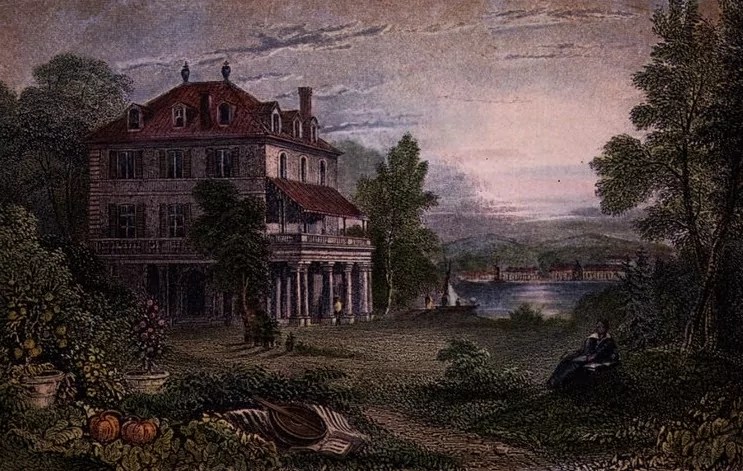
In Switzerland, too, the cold set in. At the Villa Diodati, on the shores of Lake Geneva, a group of five friends enamored with romanticism killed time by reading ghost stories. They also discussed Luigi Galvani’s latest electrical experiments and Erasmus Darwin’s reanimation of dead matter.
Click here tob read the full article on Luxus Magazine
Featured photo: © Netflix