



Since the beginning of the year, the news feeds from Instagram and TikTok only swear by 2016. The nostalgic memories of 10 years ago are translated into Snapchat dog filters, Retrica photos and pop music that thrilled a generation.
After the wave of the YK2 movement (the style of the 2000s), a phrase has been flooding TikTok and Instagram in recent days: “2026 is the new 2016”. Unlike the YK2, which focuses more on pure aesthetics, 2016 evokes a social and digital atmosphere in its own right. A pre-smartphone, pre-AI, pre-#MeToo and pre-COVID era, but where networks were exploding and reinventing social interactions.
The search for authenticity
This viral trend invites internet users to revisit a cultural moment that we already believed was behind us. A specific year in the middle of the last decade. Far from being a simple nostalgic hashtag born from the subtraction of a decade to our year, this movement translates a true sociocultural phenomenon where the past becomes an aesthetic and emotional reference in the face of the challenges of the present. TikTok also announced a search for ‘2016’ up 452% and Spotify’s statistics on the ‘special 2016’ playlists increased by 71%.
Why this resurgence? While social networks are now saturated with sophisticated algorithms, ultra-retouched images and AI in each post that have replaced the golden age of the meme, many aspire to a simpler, more authentic, more spontaneous era. 2016 represents this period where digital platforms seemed lighter, less driven by the performance of perfection and statistics.
This collective reactivation of online memories responds to a need for gentleness in a digital world that has become complex and sometimes tiring. Internet users then seek to revive the year by (re)posting old photos of themselves and exchanging on the emblems that have marked these 12 months belonging to the past.
Click here to read the full article on Luxus Magazine.
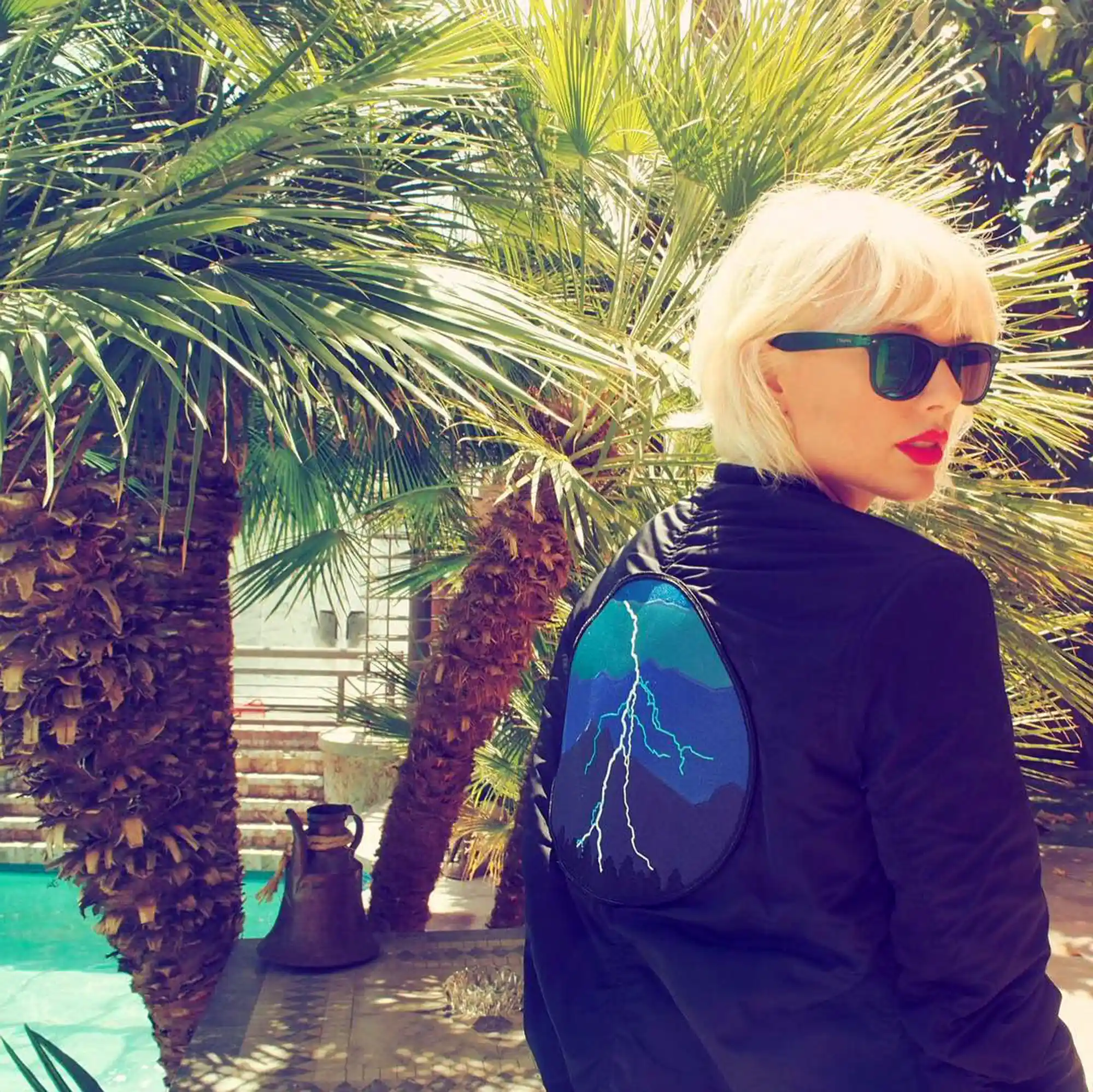
Featured photo : Snapchat Ariana Grande