







For a long time, luxury houses built their reputations on timelessness. Heritage, craftsmanship, tradition, and permanence were the pillars of an industry where rarity stemmed above all from the mastery of time. Today, that equation has changed. At a time when trends emerge and disappear at the pace of social media, brands can no longer rely solely on their history: they must constantly renew their narrative.
Collaborations have established themselves as one of the most powerful tools of this transformation. Far from being mere marketing stunts, they allow brands to explore new creative territories, reach different communities, and generate a powerful sense of desire. They also create scarcity through limited editions, fuel conversation on social media, and reinforce the perceived value of products.
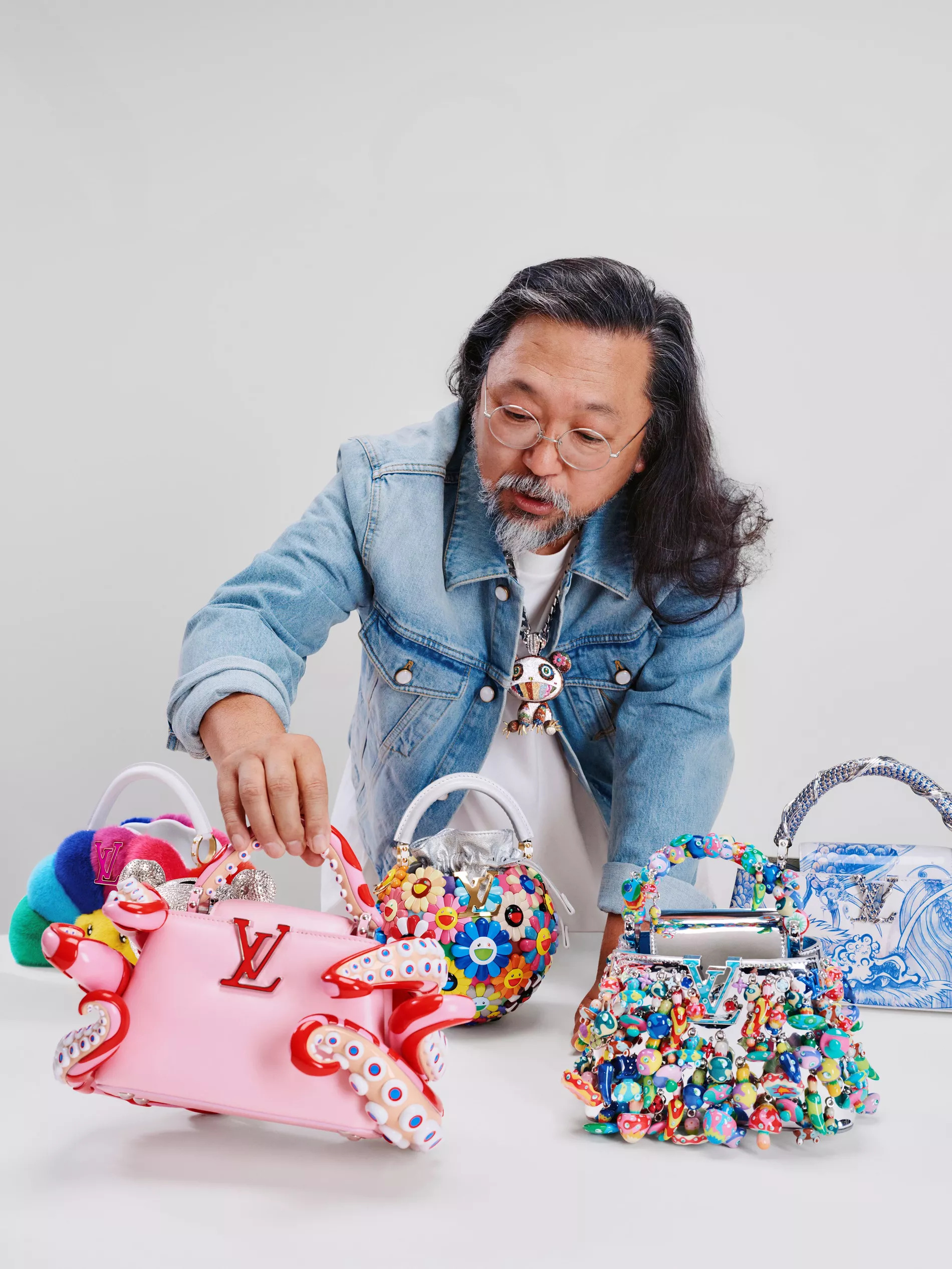
The phenomenon is not new. As early as 2003, Louis Vuitton shook up the codes of luxury by inviting Japanese artist Takashi Murakami to reinterpret its famous monogram. The multicolored bags instantly became cult objects, proving that a heritage house could engage with contemporary art without compromising its identity. A year later, H&M in turn transformed the industry by launching a capsule collection with Karl Lagerfeld. For the first time, the general public could access a design by one of fashion’s biggest names. This initiative paved the way for dozens of now-iconic collaborations with Stella McCartney, Comme des Garçons, Balmain, Versace, and Mugler.
Twenty years later, the phenomenon has become widespread. Fashion, gastronomy, design, beauty, spirits, watchmaking, and hospitality: no sector is immune to this trend. Collaborations no longer serve merely to create a new product; they build experiences, tell stories, and allow brands to refresh their image without compromising their DNA.
When Collaboration Becomes an Experience
One of the most striking developments undoubtedly concerns gastronomy. Collaborations are no longer limited to a signature on a product: they have become truly immersive experiences, capable of transforming a meal, a stay, or a tasting into an event.
Sushi Shop x Adrien Cachot: democratizing signature cuisine
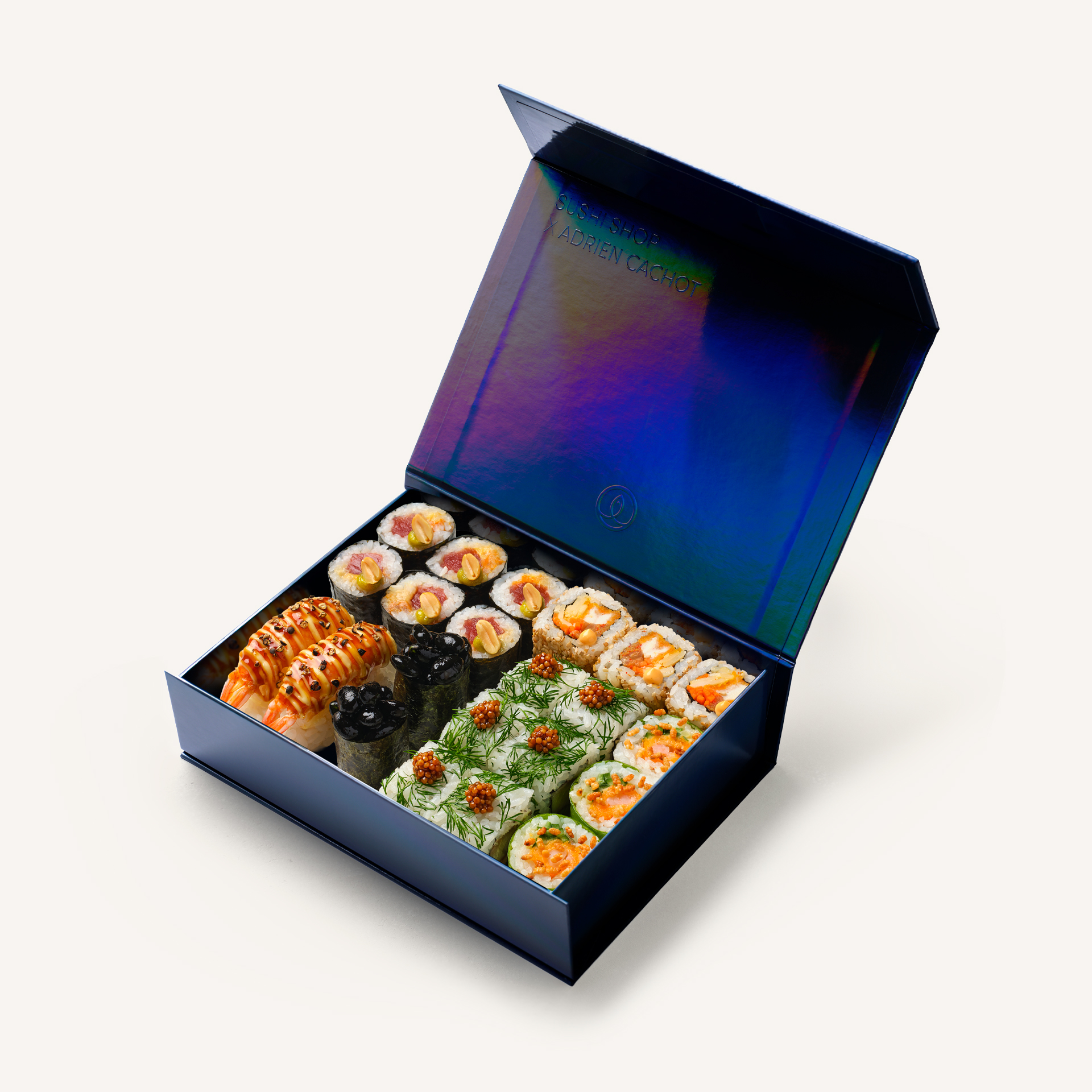
Sushi Shop has established itself as one of the pioneers of this strategy by regularly inviting top chefs to create exclusive recipes. Its collaboration with Adrien Cachot is a perfect illustration of this.
Discovered on Top Chef, the chef is known for his instinctive, bold, and resolutely creative approach. By translating his culinary world into a sushi box distributed on a large scale, he demonstrates that a chef’s cuisine can step outside gourmet restaurants to reach a much wider audience.
For Sushi Shop, the value goes far beyond simply creating new recipes. Each collaboration enhances the brand’s appeal, refreshes its image, and transforms an everyday meal into a much-anticipated treat. For the chef, it’s an opportunity to extend his signature style far beyond Michelin-starred restaurants.
Jeffrey Cagnes x Shangri-La Le Touessrok : Dessert as a Destination
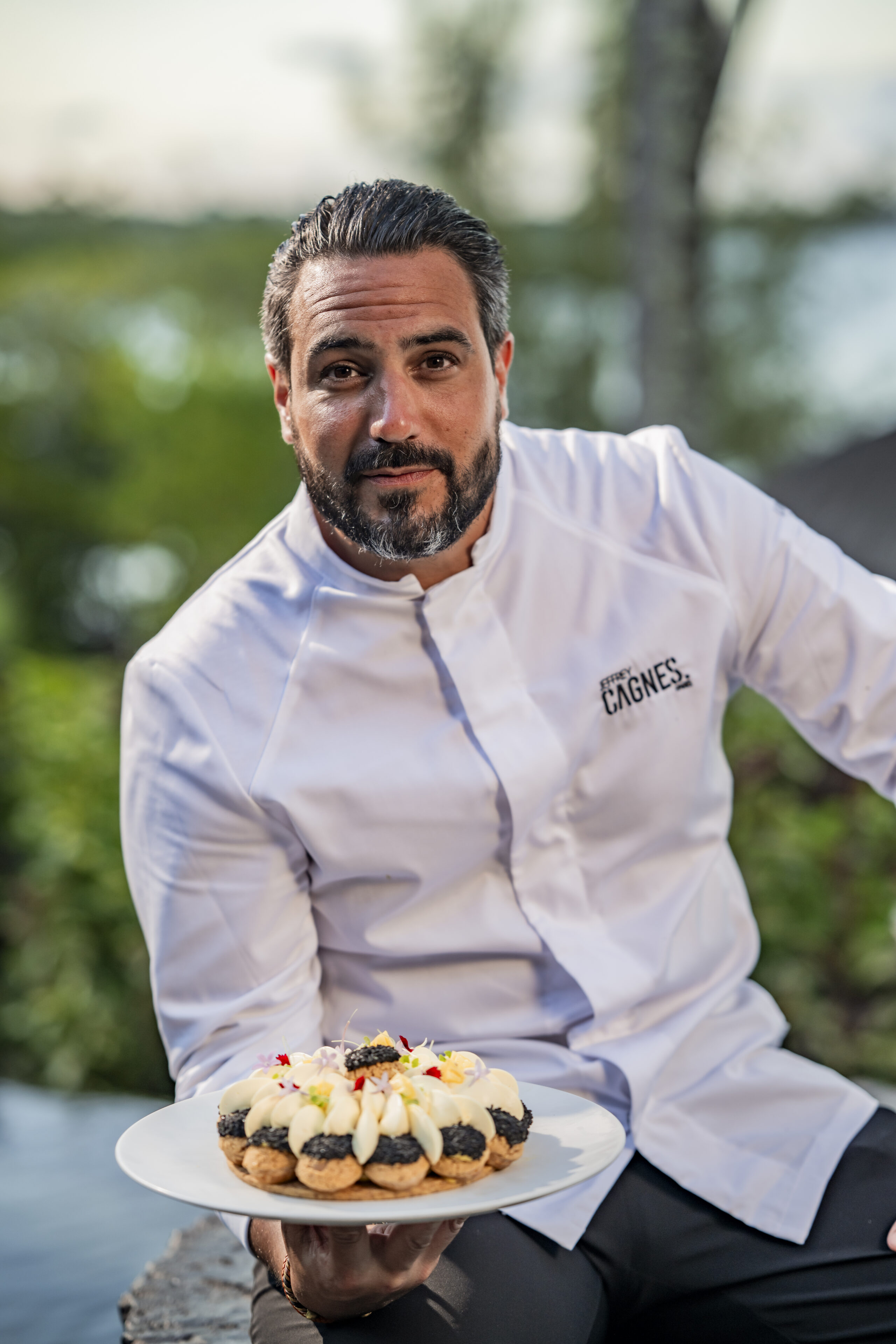
Another example, this time in the hotel industry: the Shangri-La Le Touessrok in Mauritius invited pastry chef Jeffrey Cagnes to create an exclusive collection of desserts.
Here, pastry plays a central role in the travel experience. The creations become an additional reason to book and reinforce the establishment’s premium image. Through this residency, the chef also affirms his international standing among a cosmopolitan clientele.
This approach illustrates a fundamental trend: the luxury hotel industry no longer sells just a room or a service, but a sum of experiences capable of making every stay unique.
When mass retailers adopt the codes of haute cuisine
Gastronomic collaborations are also making their way onto the shelves of food retailers.
For several years now, Reflets de France has linked its image to the legacy of Joël Robuchon, giving certain products an immediately recognizable gourmet endorsement. The value transfer is clear: the private label benefits from the prestige of a renowned chef, while his culinary legacy becomes part of consumers’ daily lives.
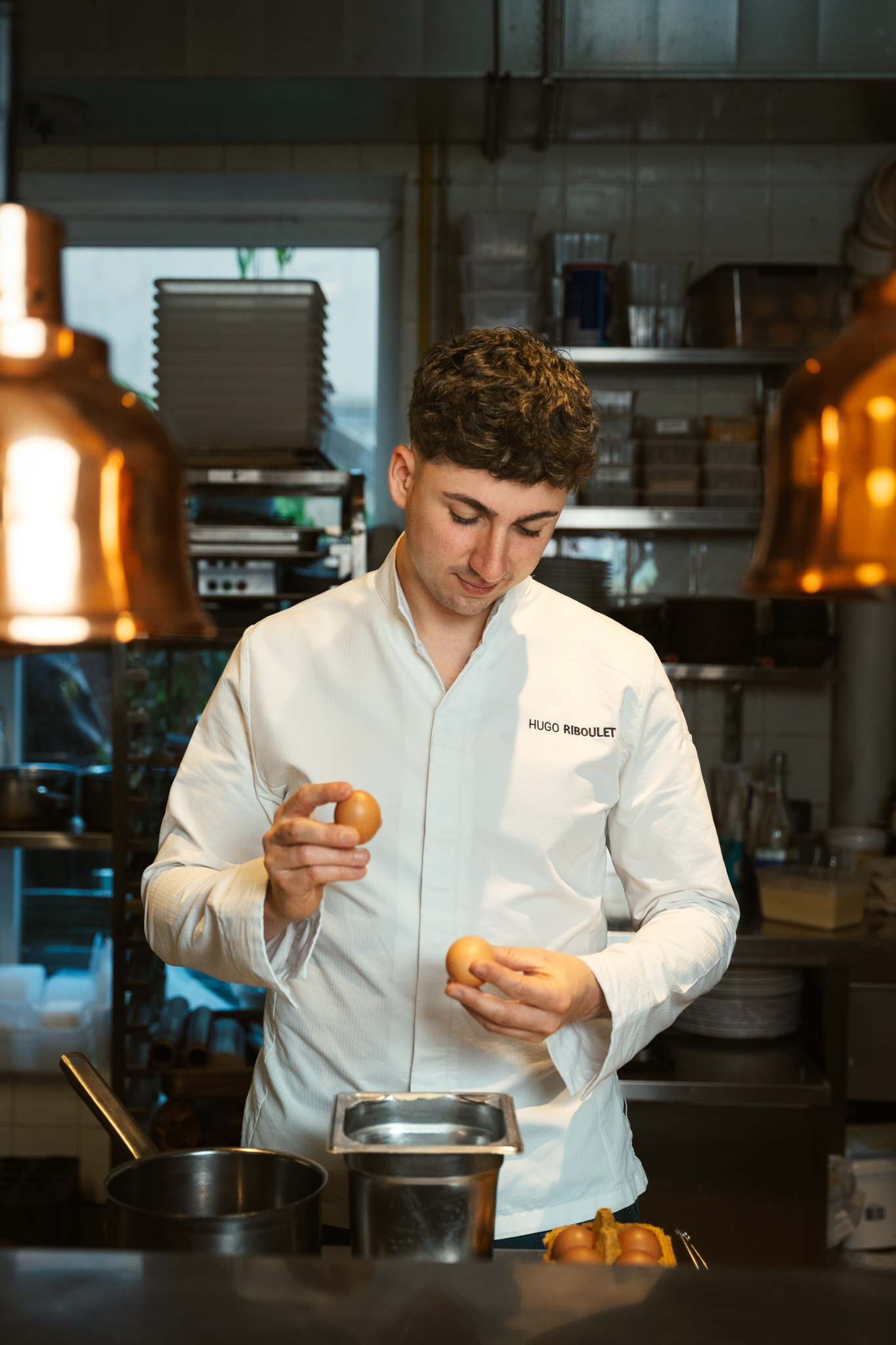
Carrefour is taking a similar approach to mark the 50th anniversary of its private label. The retailer has commissioned chef Hugo Riboulet to create the pop-up restaurant “Le Cinquante,” demonstrating that fine dining is now becoming a genuine marketing tool for mass retailers.
In these various examples, collaboration is no longer just about combining two logos. It becomes a shared narrative, capable of simultaneously enhancing both partners while offering consumers a unique experience.
Fashion, sports, and watchmaking: the laboratory of collaborations
If there is one sector that has turned collaboration into a true strategic tool, it is fashion. Long reserved for major fashion houses, capsule collections now permeate every segment of the market, from luxury to accessible fashion. They allow brands to explore new creative territories, attract new communities, and generate a sense of exclusivity without compromising their identity.
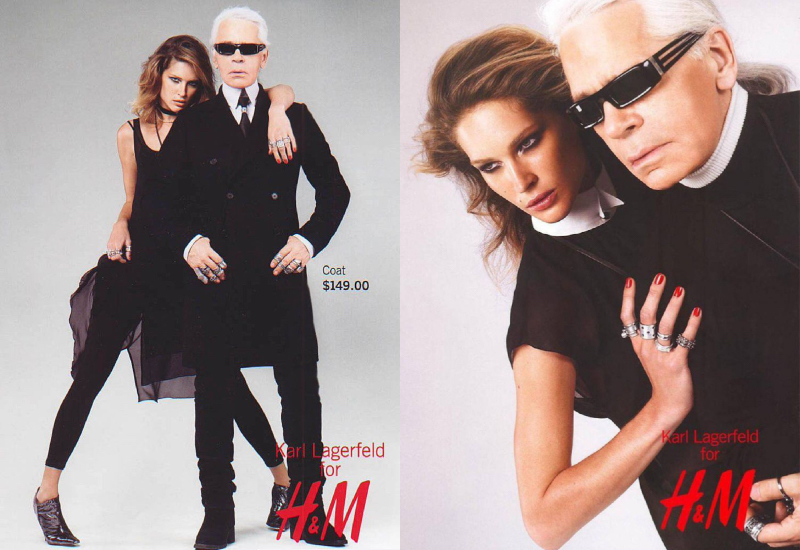
Twenty years after the groundbreaking collaboration between H&M and Karl Lagerfeld, the model continues to evolve. Partnerships are no longer limited to fashion designers: they now bring together designers, athletes, artists, interior designers, and creative collectives around a single goal: building a true brand universe.
H&M MOVE x H&M HOME x Solar Club: Sport Becomes a Way of Life
The latest collaboration between H&M MOVE, H&M HOME, and Solar Club perfectly illustrates this evolution. Rather than offering a simple sportswear capsule collection, the two brands have teamed up with Anne-Laure Faou and Alice Gerault, founders of the creative collective Solar Club, to envision a true lifestyle ecosystem.
The collection brings together technical apparel, accessories, and home goods under a shared vision of everyday life. Inspired by long summer days, movement, and moments of togetherness, it deliberately blurs the lines between sports, home decor, and lifestyle.
This approach reflects a profound shift in the market: consumers no longer buy just a product, but a world in which they want to see themselves. Clothing thus becomes an extension of a lifestyle, just like the objects that make up the home.
1083 x Yann Antonio : Demonstrating the Product Rather Than Describing It
Collaborations also serve to highlight technical expertise.
This is the approach taken by 1083, a French specialist in eco-designed jeans made in France, which has partnered with dancer and choreographer Yann Antonio.
Rather than endlessly touting the quality of its denim, the brand chose to bring it tolife. Through the dancer’s performances—which blend classical dance and hip-hop—the jeans demonstrate their flexibility, durability, and comfort.
The collaboration thus goes beyond the realm of fashion to become a true product demonstration. It also allows 1083 to tap into a younger, more urban cultural scene, while reinforcing its image as a socially conscious brand.
MAIÔ Paris x Tartine et Chocolat: luxury is a family affair
Collaborations also respond to changing trends.
With Tartine et Chocolat, MAIÔ Paris has designed a capsule collection of matching swimwear for women and children. Available in pastel shades, the collection reimagines the two brands’ iconic silhouettes to create a swimwear wardrobe designed for mother-and-child pairs.
Beyond the product itself, this collaboration reflects the rise of “family matching,” a trend that is gradually gaining traction in the luxury sector. The Houses no longer cater solely to their female clients but now offer experiences and collections capable of bringing together multiple generations around a shared aesthetic universe.
Maison Aurélie Bidermann x Dada Sport : equestrian heritage reinvented
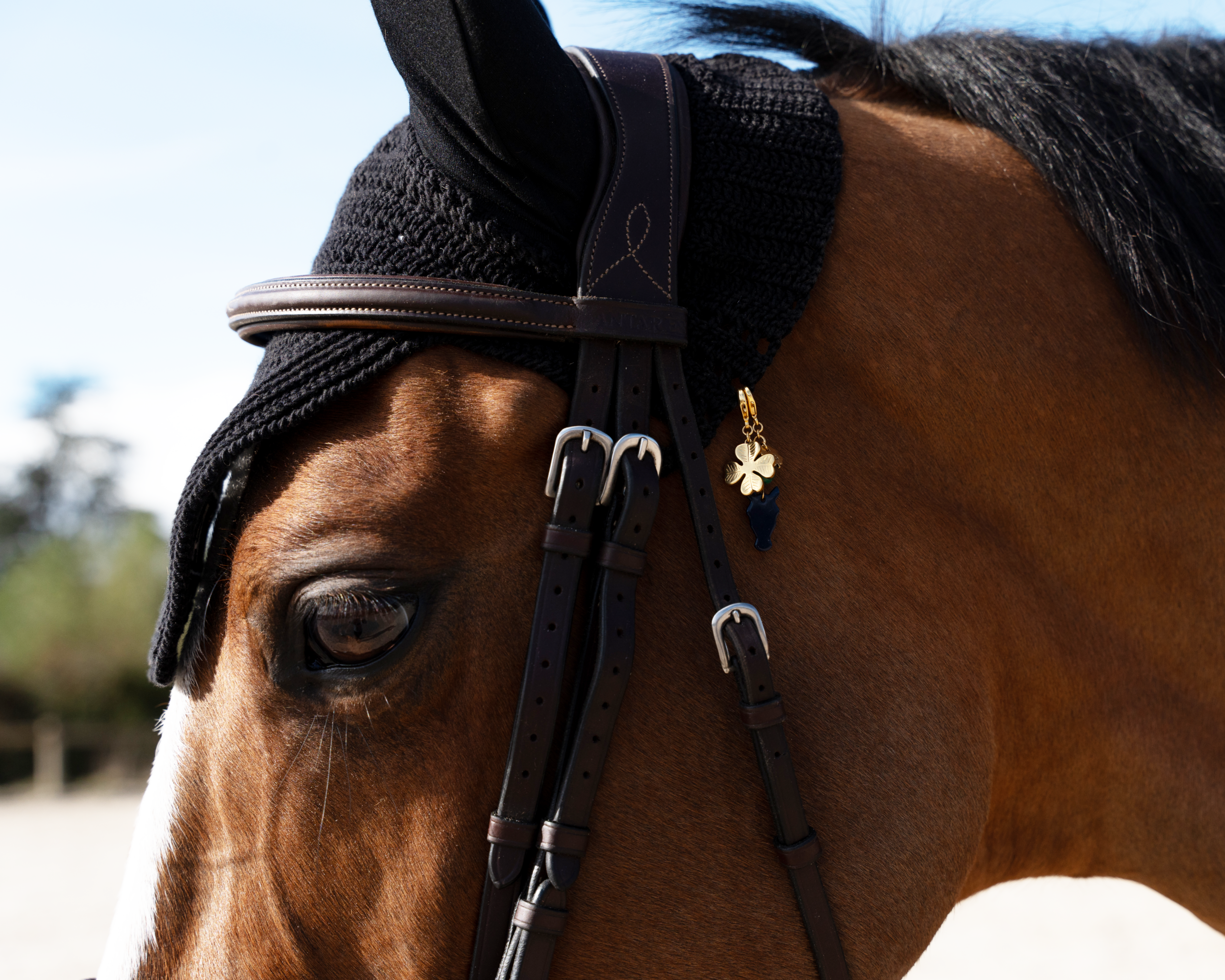
Another key area of focus: the dialogue between craftsmanship and technical innovation.To mark the Year of the Horse, Maison Aurélie Bidermann has partnered with Dada Sport to create a capsule collection inspired by the equestrian world.
The iconic Positano bracelets are reimagined around three emblematic symbols – the horseshoe, the bit, and the clover – in colors inspired by equestrian traditions.
This convergence of jewelry and technical apparel perfectly illustrates how two complementary worlds can mutually enhance their respective images. On one hand, Dada Sport brings its credibility to the contemporary equestrian world; on the other, Aurélie Bidermann translates her jewelry expertise into a sportier aesthetic, without sacrificing her signature elegance.
Audemars Piguet x Swatch: watchmaking heritage meets pop culture
Swiss watchmaking, long perceived as a particularly conservative sector, is no longer immune to this trend.
By bringing together Audemars Piguet and Swatch for the Royal Pop collection, the two brands are choosing to juxtapose two complementary visions of watchmaking: heritage excellence and popular creativity.
Inspired by both the Royal Oak and the iconic Swatch POP watches of the 1980s, the eight pocket watches reinterpret classic codes through a colorful and decidedly playful aesthetic.
Beyond the object itself, this collaboration reflects a broader evolution. Major watchmakers are now seeking to appeal to a new generation of collectors who are as attuned to design, pop culture, and storytelling as they are to technical performance alone.
Far from undermining their heritage, these collaborations instead demonstrate that watchmaking icons can engage with their era while preserving their identity.
Through these various examples, fashion and accessories emerge as the primary testing ground for contemporary collaborations. Brands no longer seek merely visibility or the element of surprise: they are experimenting with new narratives, blending their expertise, and building worlds capable of extending their relationship with the consumer far beyond the product itself.
Lifestyle, design, and collectibles: when collaborations shape a new imagination
While fashion has largely contributed to popularizing collaborations, these partnerships now permeate every aspect of daily life. Home decor, travel, beauty, spirits, and everyday objects become vehicles for unique experiences, where design and narrative take on as much importance as the product itself.
More than just a marketing tool, collaboration has become a way to establish a brand within a genuine lifestyle universe.
Sarah Lavoine, or the art of breaking down disciplinary barriers
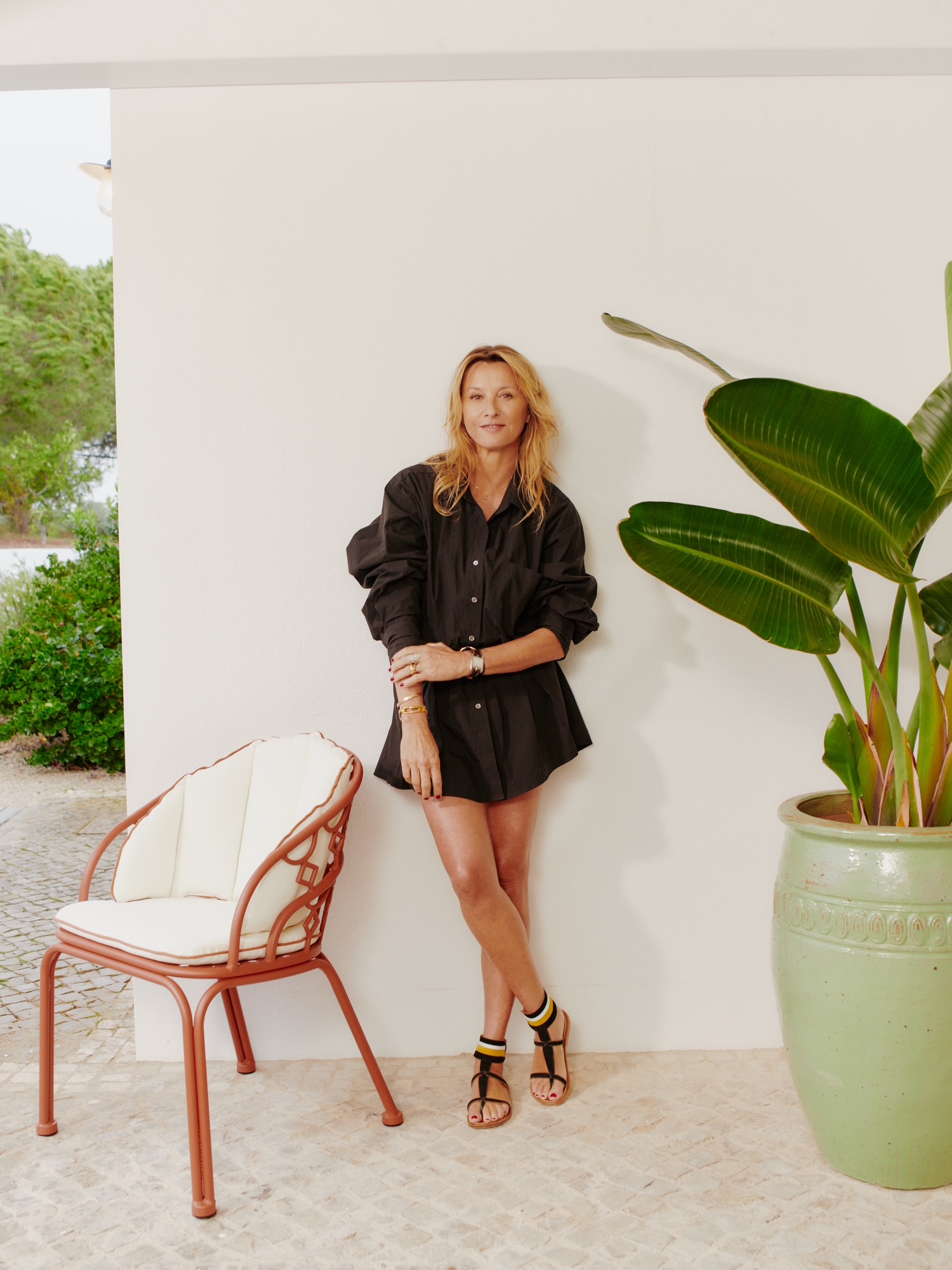
Few designers embody this evolution as well as Sarah Lavoine. An interior architect who has become a leading figure in French design, she has made collaboration a natural extension of her creative identity.

Her aesthetic language—immediately recognizable by its deep colors, clean lines, and Parisian elegance—has extended far beyond the world of interior design. It can be found in the automotive sector with DS Automobiles, in telecommunications through a limited edition of the Bbox by Bouygues Telecom, in a furniture collection designed for Maisons du Monde, and in an eyewear line created with the French eyewear brand Roussilhe.
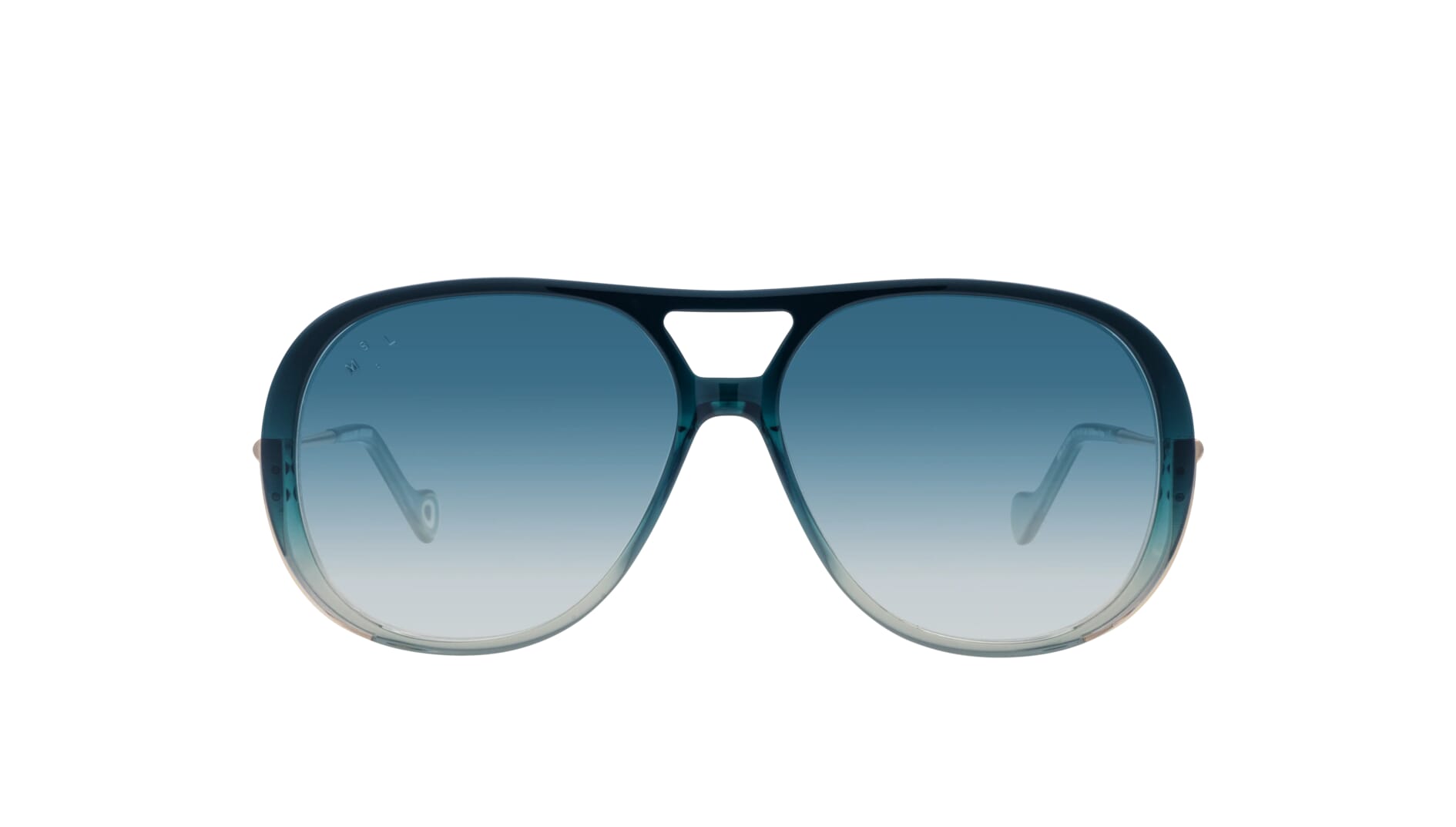
These collaborations demonstrate that a cohesive creative vision can be expressed across an extremely wide range of mediums without losing its clarity or appeal.
Bonsoirs x Jacques Merle : transforming everyday life into a work of art
The collaboration between Bonsoirs and painter Jacques Merle perfectly illustrates this desire to bring art into the most ordinary moments.
Bedding sets become canvases where the artist’s poetic silhouettes and clean lines come to life. By combining contemporary design with home linens, Bonsoirs transforms a functional object into a collector’s item, while reinforcing its premium positioning.
This pursuit of emotion is now one of the main drivers of lifestyle collaborations.
Lipault x Merci : travel as an immersive experience
Some collaborations no longer even take the form of a product.
With “In The Air,” conceived within the Parisian concept store Merci, Lipault offers a true immersion into its world. Visitors move through a space filled with suspended luggage, soundscapes evoking airports, and customization stations that transform the visit into a sensory experience.
The journey thus begins long before departure. This staging illustrates the rise of experiential retail, where emotion becomes as important as the act of purchasing.
Beauty : when skincare becomes an object of desire
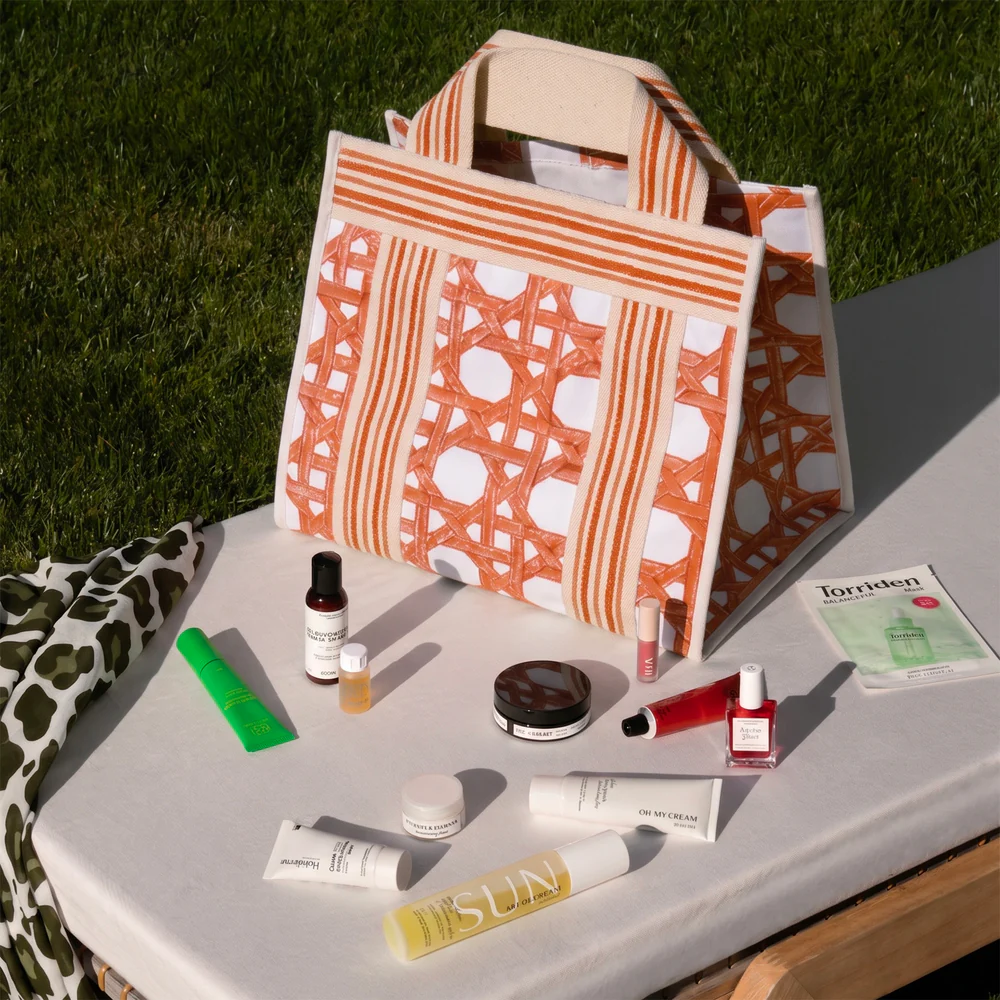
Beauty is no exception to this trend.
Each season, Oh My Cream creates collaborations that go beyond the simple toiletry bag. With Casa Lopez, the brand adorns its famous vanity cases with the home decor brand’s iconic prints.
The result is halfway between a fashion accessory, a decorative object, and a bathroom essential. A way to extend the beauty experience into the home.
In a more unexpected vein, Graazie and Chez Meunier blur the lines between jewelry and pastry by creating an exclusive cake accompanied by a golden ticket offering the chance to win a diamond-set bracelet
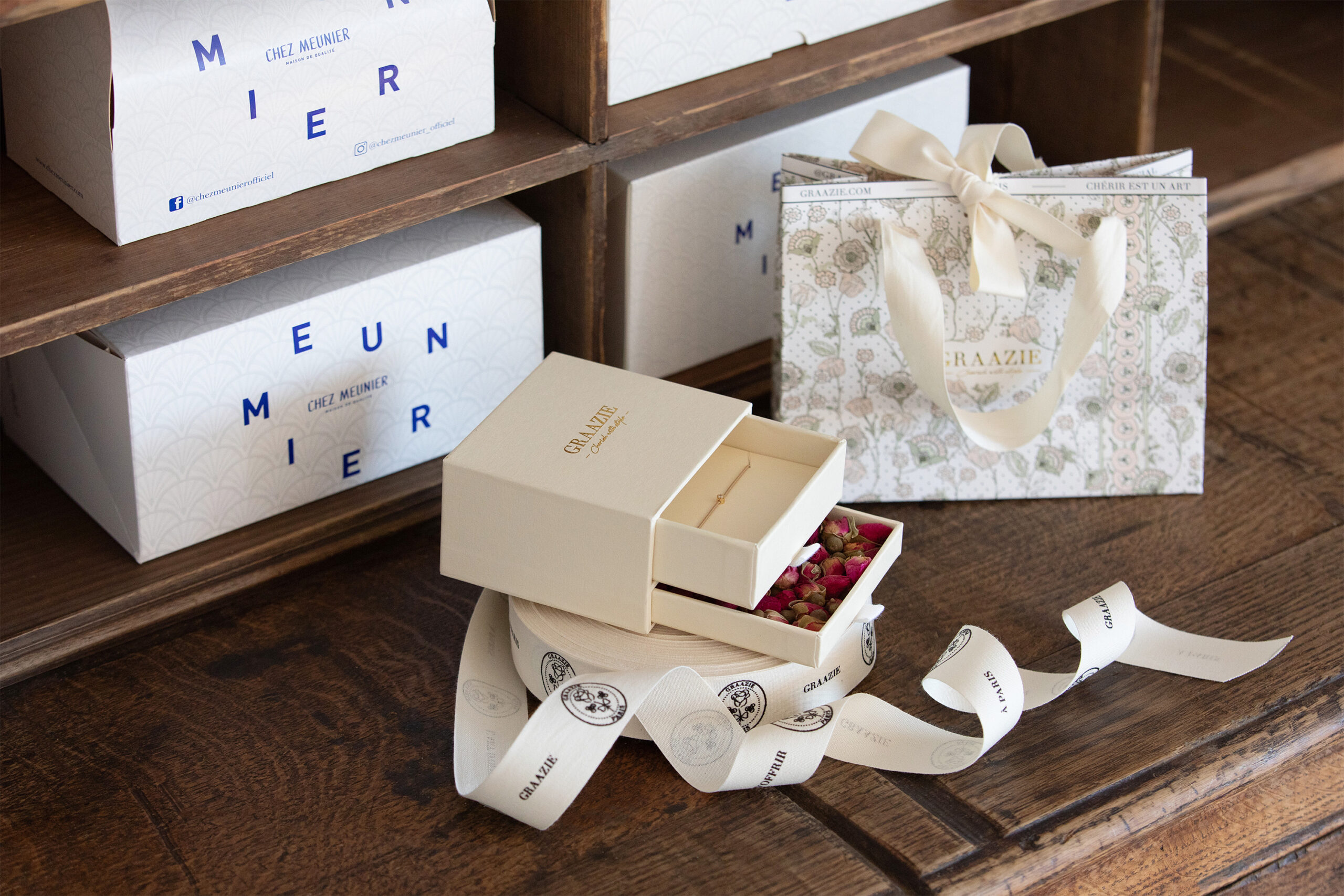
Graazie x Chez Meunier
This campaign demonstrates that the most effective collaborations are often those that create surprise by bringing together worlds that seemed completely at odds.
Everyday objects become collector’s items
Some collaborations go even further by transforming familiar objects into collector’s items.
Whisky maker The Balvenie has partnered with contemporary artist Daniel Arsham to design an ultra-limited edition box set, where the bottle becomes a true sculptural work of art.
Veuve Clicquot, for its part, has chosen to celebrate the Mediterranean art of living by inviting Souleiado to reimagine its gift sets and accessories. The famous Provençal prints offer a fresh take on the Champagne House’s identity, blending heritage with modernity.
The most spectacular example is undoubtedly that of the Bic 4 Couleurs. Thanks to collaborations with Richard Orlinski or Maison Tournaire, France’s best-selling pen is transformed into a precious object, adorned with bronze, gold finishes, or the sculptor’s famous geometric facets.
In just a few years, an object sold for a few euros has become a piece sought after by collectors. A striking demonstration of the symbolic power of collaborations.
Over the past two decades, collaborations have evolved from one-off marketing campaigns into a genuine development strategy. They enable the Houses to conquer new territories, broaden their audience, experiment with new creative languages, and enhance their desirability without compromising their identity.
But their proliferation also raises a crucial question: that of coherence. A collaboration creates value only when it is based on a shared vision, an authentic dialogue between two worlds, and a genuine complementarity of expertise. Conversely, opportunistic partnerships risk weakening brand equity by turning the exceptional into the ordinary.
For luxury players as well as lifestyle brands, the challenge is therefore no longer to collaborate at any cost, but to choose the right partners – those capable of crafting a credible narrative and creating lasting emotion.
Twenty years after Louis Vuitton x Takashi Murakami, collaboration is no longer a trend. It has become one of the preferred languages of contemporary luxury. Because today, a House is no longer defined solely by what it creates, but also by the worlds it chooses to engage with.
Read more > Diptyque Pauses Time at the Palais-Royal
Featured photo : Portrait of the Japanese artist Takashi Murakami © Rodriguo Carmuega